
Plants
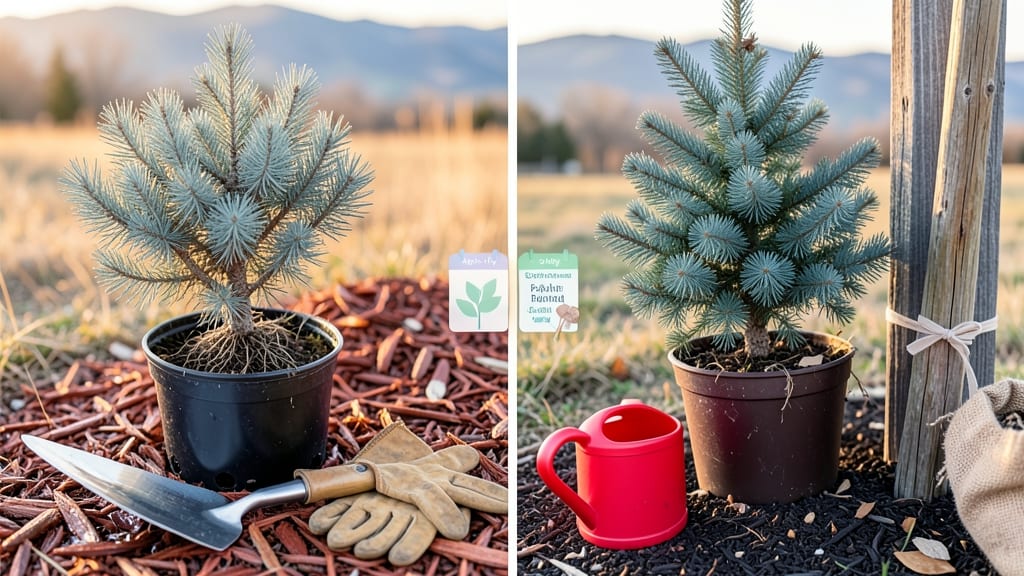
Planting a tree in Colorado isn’t just about grabbing a sapling and sticking it in the ground—it’s about timing it perfectly to beat the unpredictable frost that can make or break your 🌳’s survival.
Whether you're in the Front Range or high-altitude foothills, getting the window right means the difference between a thriving shade provider and a sad, stunted plant.
Most gardeners assume spring is the only time to plant, but Colorado’s cool nights and variable elevations actually make fall the sweet spot for many tree species.
The key is planting 6-8 weeks before your first frost, giving roots time to establish before winter sets in—but how do you know when that is for your specific zone?
I’ve researched the science behind Colorado’s frost-free periods and talked to local arborists to break it down by elevation. You’ll discover exactly when to plant for your location, plus how to adjust for soil conditions and tree types.
No more guessing—just proven strategies for a tree that grows strong for decades.
Ready to plant with confidence? Let’s dive into the best months for your elevation zone and the simple steps to ensure your new tree takes root like a pro.
Colorado’s frost-free planting windows by elevation Zone: when to plant for maximum success
Colorado’s diverse elevation zones create wildly different planting windows—what works in Denver’s Front Range (Zone 5) fails in Aspen’s high mountains (Zone 3). The key is aligning your planting with soil temperatures and frost-free windows, which shift dramatically with altitude.
For example, lowland areas like Pueblo (Zone 6) can plant as late as mid-October, while mountain towns like Breckenridge (Zone 4) must finish by early September.
Most Colorado nurseries recommend fall planting (September-October) as the gold standard because cool soils reduce transplant shock, and trees establish roots before winter dormancy. However, bare-root trees (like Colorado blue spruce) thrive when planted in late winter (February-March) to avoid summer drought stress.
Decide your tree species first—evergreens need extra care in high winds, while deciduous trees handle Colorado’s dry winters better.
Here’s the critical rule: Plant when soil temps stay above 40°F for at least 10 days. Use a soil thermometer (available at garden centers) to verify—this is especially vital in transition zones like Fort Collins (Zone 5-6) where frost can linger into May.
Pro tip: Check the Colorado State University Extension frost maps for your county’s 10-year averages—they’re updated annually.
🌳 Colorado Planting Windows by Elevation Zone
| Elevation Zone | USDA Hardiness Zone | Best Planting Window | Soil Temp Threshold | Key Considerations |
|---|---|---|---|---|
| Front Range (Denver, Boulder) | 5-6 | Sep 15 - Oct 15 | 45°F+ | Alkaline soil; water restrictions common |
| Foothills (Colorado Springs, Fort Collins) | 6-7 | Sep 1 - Oct 30 | 50°F+ | Drought-prone; mulch heavily |
| Mountains (Aspen, Telluride) | 3-4 | May 15 - Jun 15 | 40°F+ | Short growing season; wind protection needed |
| Western Slope (Grand Junction) | 6-7 | Oct 1 - Nov 1 | 55°F+ | Low humidity; irrigate deeply |
Evergreens like Colorado blue spruce or Engelmann spruce demand earlier planting (April-May) to avoid winter desiccation—their needles dry out in dry mountain winds. Deciduous trees such as quaking aspen or cottonwood handle fall planting better because they enter dormancy naturally.
My go-to rule: If your tree loses leaves by November 1st, plant it in fall; if it stays green, opt for spring.
Don’t overlook microclimates—a south-facing slope in Boulder might stay frost-free 2 weeks longer than a north-facing yard in Golden. Use the "snowmelt test": If snow melts by March 15th in your area, you’re likely in a warmer microclimate and can plant bare-root trees in early April.
For accuracy, plant a minimum-maximum thermometer in your yard for 30 days before deciding.
Watering newly planted trees in Colorado requires deep, infrequent soaks—shallow watering encourages weak root systems. Aim for 10-15 gallons per week for the first 2 years, delivered in morning sessions to prevent evaporative loss.
In high-altitude zones, add 3 inches of mulch (wood chips or straw) to lock in moisture and
How to adjust planting timing for tree species and soil conditions in Colorado
Not all trees thrive on the same schedule in Colorado’s varied climate. For example, quaking aspens and cottonwoods love the moisture of spring, while pine trees and oaks often establish better in fall’s cooler air.
The difference? Root growth patterns and drought tolerance. I’ve planted everything from blue spruces to red maples in Colorado, and timing truly makes the difference between a tree that flops and one that flourishes.
Your tree’s root system type also dictates the best window. Bare-root trees (like those sold in winter) need planting ASAP after purchase, while container-grown trees can handle a wider window.
Colorado’s alkaline soils and drought-prone conditions add another layer—some species, like Russian olives, thrive in poor soil, while others, like dogwoods, demand richer conditions. Let’s break it down by species and soil prep.
🌱 Key Takeaway: Match your tree’s needs to Colorado’s climate—spring for moisture-loving species, fall for drought-tolerant ones.
🌳 Species-Specific Planting Windows in Colorado
| Tree Type | Best Planting Window | Soil Prep Tip |
|---|---|---|
| Deciduous (Maples, Oaks, Aspens) | Early fall (Sept-Oct) or early spring (March-April) | Amend with compost; avoid compacted clay |
| Evergreens (Pines, Spruces, Junipers) | Late fall (Oct-Nov) or early spring (March-April) | Add sand for drainage; test pH (6.0-7.0 ideal) |
| Drought-Tolerant (Russian Olive, Pinyon Pine) | Late spring (May-June) or early fall (Sept) | Minimal prep; plant in well-draining soil |
| Container-Grown Trees (All Types) | Spring (April-May) or fall (Sept-Oct) | Remove container; loosen roots before planting |
Colorado’s alkaline soils (pH 7.5-8.5) can stunt root growth if unamended. Before planting, I always test soil pH and add sulfur or peat moss to lower pH for acid-loving trees like blueberries or pine trees.
For most native species, though, a simple layer of compost mixed into the top 12 inches of soil works wonders. Pro tip: If your soil is sandy (common in the Front Range), add organic matter to retain moisture.
Watering strategy shifts with the season. In spring, focus on deep watering to encourage root expansion, while in fall, reduce frequency but keep soil moist to prep for winter.
I’ve seen newly planted trees fail because gardeners either drowned them in summer or let them dry out in fall. Use a soil moisture meter—it’s a game-changer for Colorado’s erratic rainfall.
For bare-root trees, plant immediately after purchase and keep roots moist with a root stimulator. Container-grown trees, however, can wait until you’re ready—just avoid planting when soil temps exceed 85°F, which stresses roots.
If you’re planting in high-altitude zones (7,000+ ft), aim for late May to early June to avoid late frosts.
One last tip: Mulch heavily (3-4 inches) after planting to protect roots from temperature swings. Use wood chips or straw, but keep mulch 6 inches away from the trunk to prevent rot.
This simple step can mean the difference between a tree that survives its first winter and one that doesn’t.