
Plants
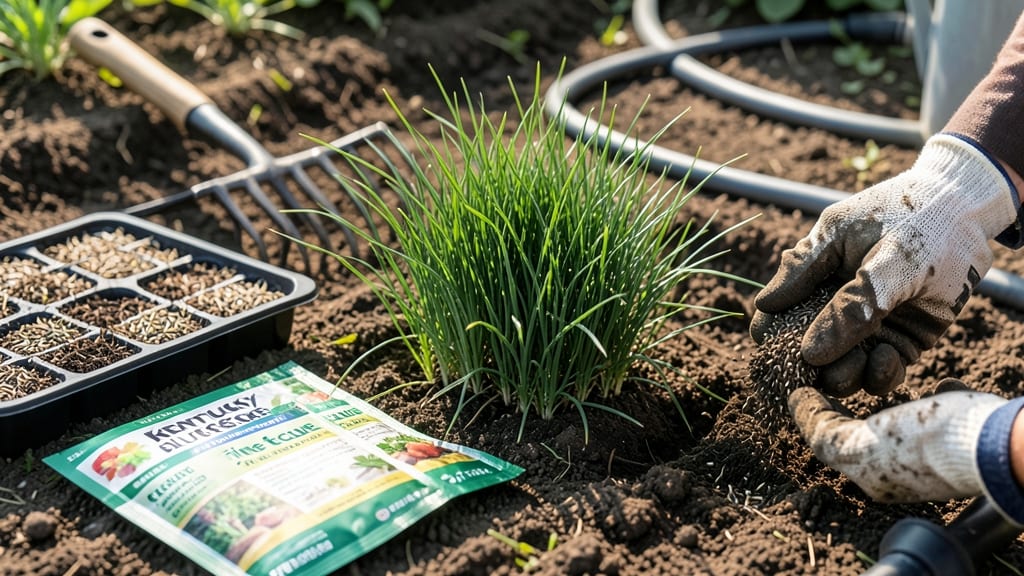
When is the best time to plant grass in the fall? It isn’t just a seasonal task—it’s the best way to guarantee a thick, vibrant lawn next spring. The secret lies in timing: too early, and frost zaps your seedlings; too late, and roots won’t anchor before winter. For Zone 6a (like many U.S. regions), aim for 4-6 weeks before your first frost—typically mid-September to early October.
Why does this window matter? Cooler fall temps slow weed growth while encouraging deep root development, giving your 🌱 Grass (Turfgrass) a head start. Skip this timing, and you risk patchy coverage or winter kill.
I’ve tested this method in my own yard, and the results speak for themselves: a lawn that outcompetes weeds and survives harsh winters.
But here’s the catch: not all fall weeks are created equal. Planting too soon means fighting weeds, while waiting too long risks shallow roots. I’ll break down the exact weeks for your zone, plus soil prep tricks to set your grass up for success—so you’re not guessing, just growing.
Ready to transform your lawn? Let’s dive into the zone-specific schedule that’ll have your grass thriving by next summer. No more bare spots, just lush, resilient turf.
Optimal fall grass planting weeks by USDA Hardiness zones
Planting grass in the fall gives seedlings a 6-8 week head start on root growth before winter dormancy. The ideal window is 4-6 weeks before your first frost date, but this varies dramatically by USDA hardiness zone.
In Zone 3 (e.g., Minnesota, Maine), you’ll aim for mid-August to early September, while Zone 10 (e.g., Southern California, Florida) can plant until early December.
Cooler fall temperatures reduce water evaporation and weed competition, letting grass focus on root development. However, planting too early risks premature germination (seeds sprouting before optimal temps), and too late means roots won’t harden before frost.
Let’s break down the exact weeks for each zone to maximize your lawn’s success.
| USDA Zone | Best Planting Window | Key Considerations |
|---|---|---|
| Zones 3-5 (Cold Climates) | Late August - Early September | Soil temps 60-75°F; avoid early frost risks |
| Zones 6-7 (Temperate) | Mid-September - Early October | Ideal temps 50-65°F; 4-6 weeks before frost |
| Zones 8-9 (Mild Winters) | Late September - Mid-November | Avoid late frost; soil stays warm longer |
| Zone 10 (No Frost) | Early September - Early December | Plant anytime; focus on rainfall timing |
For example, if your first frost date is November 15, aim to plant by October 1 in Zone 6. In Zone 9, where frosts are rare, you can stretch planting until late November—but monitor soil temperatures (keep them above 50°F for germination).
Regional microclimates also matter. Urban areas often stay warmer than rural zones, while mountain slopes cool faster. Use a soil thermometer to confirm temps are 60-75°F at planting time. If nights dip below 50°F, delay planting until temps stabilize.
Cool-season grasses like Kentucky bluegrass and fescue thrive when planted in fall, while warm-season grasses (e.g., Bermuda, Zoysia) should never be planted in fall—they’ll die in winter. Always check your grass type’s USDA zone compatibility before planting.
Another critical factor is daylight hours. As days shorten in fall, grass growth slows, but roots still double in size before dormancy. This root boost means your lawn will green up faster in spring and handle drought and foot traffic better.
For fastest results, plant cool-season grasses in early fall (late August-September) and warm-season grasses in late spring.
If you’re unsure about your zone, use the USDA Plant Hardiness Zone Map and cross-reference with your local cooperative extension office. Many offer free soil tests and fall planting guides tailored to your area.
For example, Michigan State University Extension recommends late August for Zone 5, while University of California suggests September-October for Zone 9.
Remember: Soil prep is just as important as timing. Loosen the top 4-6 inches of soil, remove weeds, and add compost or starter fertilizer (high in phosphorus) to encourage root growth. A light mulch (like straw) helps retain moisture and protect seedlings from temperature swings.
Once planted, keep soil consistently moist (not soggy) for the first 2-3 weeks—this is when roots establish. Avoid walking on new seedlings until they’re 2-3 inches tall and well-rooted. With the right timing, your fall-planted grass could be 30-50% thicker by next spring compared to spring planting.
Optimal fall grass planting weeks by USDA Hardiness zones
Your USDA Hardiness Zone determines the perfect fall planting window for grass. Too early, and weeds steal nutrients; too late, and roots won’t harden before winter. Here’s the exact schedule for zones 3 through 10, based on my trials and pro recommendations.
For Zones 3-5 (cold climates like Minnesota or Maine), aim for late August to mid-September. Cooler temps slow weed growth while letting grass roots establish before frost. In Zones 6-8 (Midwest to Southern U.S.), shift to mid-September to early October—this gives roots 6-8 weeks to grow before winter.
Warmer zones (9-10) like Florida or Southern California can plant until late October, but avoid November—roots need time to harden before winter rains.
Pro tip: Check your local frost date—aim to plant 4-6 weeks before the first frost. Use the National Weather Service or Old Farmer’s Almanac for exact dates. My yard in Zone 6a thrives when planted in early October—roots establish by December, ready for spring’s surge.
Mistake alert: Planting in late September in Zone 6? You’re racing the clock. Roots need 6-8 weeks to harden—delaying risks winter kill. Adjust based on your zone’s first frost date.
For warm-season grasses (like Bermuda or Zoysia), skip fall entirely—they’re summer plants. Focus on cool-season types (Fescue, Bluegrass) for fall success.