
Plants
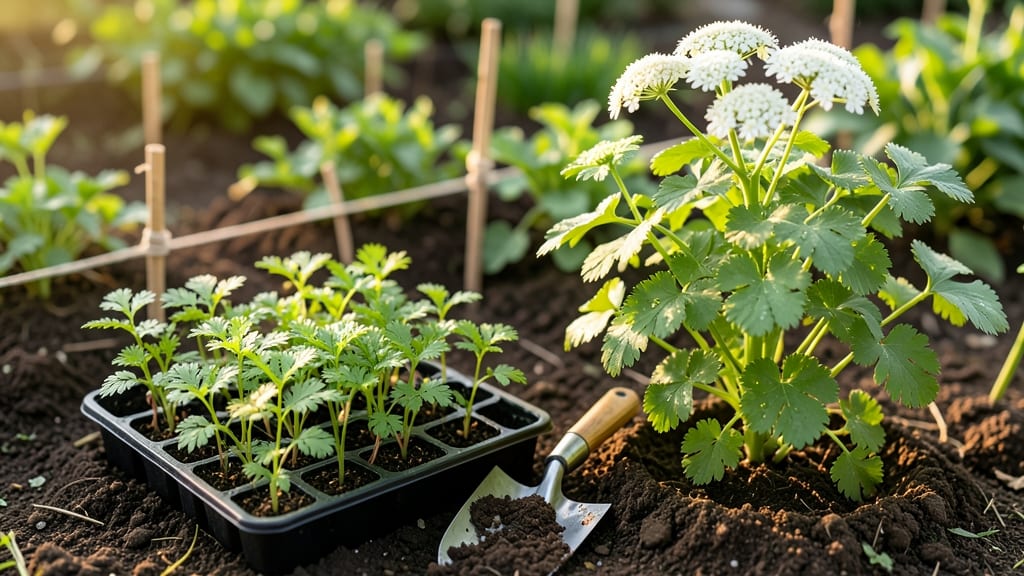
Planting cilantro in Southern California at the wrong time means bitter leaves or wasted effort—because this cool-weather herb 🌿 just can’t handle our summer heat.
The secret to success lies in timing it right, whether you're aiming for crisp fall harvests or early spring greens, and choosing the right varieties that won’t bolt before you get to enjoy them.
If you’ve ever watched your cilantro turn to seed within weeks, you know how frustrating it can be. The key is understanding exactly when to plant in zones 9b-11, where frost is rare but heat is relentless.
Coastal areas and inland valleys have different sweet spots, and I’ll break down the best months to start seeds or transplants for maximum yield.
What most gardeners miss is that cilantro thrives in cooler temperatures—think 50-75°F—so summer planting is a losing battle unless you use heat-tolerant varieties. I’ll share the best planting windows (with exact months) and pro tips to keep your cilantro lush and flavorful, even in SoCal’s dry heat.
Ready to grow cilantro that lasts? Let’s dive into the perfect schedule, plus companion plants and shade tricks that’ll keep your herb garden productive year-round.
Best planting months for cilantro in Southern California’s climate zones
Southern California’s climate is famously diverse, with coastal areas staying cooler year-round while inland valleys experience scorching summers. Cilantro (Coriandrum sativum) thrives in temperatures between 50°F and 75°F, making timing everything.
Plant too early in spring or too late in fall, and you’ll trigger bolting (flowering) or bitter leaves. Here’s how to nail the perfect window for your microclimate.
Coastal regions like Santa Barbara and San Diego have milder winters and cooler summers, allowing cilantro to grow almost year-round with the right care. In contrast, inland areas (e.g., Los Angeles Basin, Riverside) face extreme heat, requiring shade and strategic planting.
Even urban heat islands—like Downtown LA or Pasadena—can push temperatures 10°F+ higher than rural areas, demanding adjustments to your schedule.
🌿
| Climate Zone | Best Planting Months | Avoid Planting | Ideal Soil Temp (°F) | Notes |
|---|---|---|---|---|
| Coastal (e.g., San Diego, Santa Barbara) | September–October, February–March | June–August (heat stress) | 60–75°F | Year-round possible with shade; harvest before June. |
| Inland Valleys (e.g., Riverside, San Bernardino) | September–October, February–March | April–September (bolting risk) | 55–70°F | Use shade cloth (30–50%) in spring/fall; avoid summer. |
| Urban Heat Islands (e.g., LA, Pasadena) | October–November, January–February | May–September (extreme heat) | 50–65°F | Container gardening recommended; water deeply twice daily. |
| High Elevations (e.g., Big Bear, Mt. Laguna) | April–May, August–September | December–February (frost risk) | 45–60°F | Protect from light frosts; mulch heavily. |
For coastal gardeners, the fall window (September–October) is ideal because daytime highs hover around 70°F, while nights dip into the 50s. This mimics cilantro’s native Mediterranean climate.
Start seeds indoors 4–6 weeks before transplanting to ensure robust seedlings. In February–March, you’ll catch the spring harvest before temperatures rise.
Inland areas should focus on September–October for fall crops, but avoid planting after mid-November unless you’re using heat-resistant varieties. The key is to harvest before April’s rising temperatures trigger bolting.
If you’re in a valley like the Coachella Valley, consider drip irrigation to keep roots cool and soil moisture consistent.
Urban heat islands present unique challenges. Cities like Los Angeles can experience microclimates where sidewalks are 20°F hotter than nearby parks. For these areas, October–November and January–February are the safest months. Use 5-gallon containers with moisture-retentive soil (add peat moss) and place them in morning sun with afternoon shade.
Pro tip: Monitor your soil temperature with a soil thermometer. Cilantro roots prefer 60–75°F—any hotter, and you’ll see yellowing leaves or premature flowering. If your soil hits 80°F, it’s time to succession plant with a new batch of seeds in partial shade.
💧
Don’t overlook spring planting in Southern California. While summer is off-limits, February–March offers a second chance for a cool-season harvest. Pair cilantro with basil or lettuce to maximize your garden’s productivity.
Just remember: bolting is inevitable by late spring, so plan to harvest leaves aggressively or switch to heat-tolerant varieties like ‘Calypso’ or ‘Santo’.
For gardeners in high-elevation areas (e.g., Big Bear Lake),
Best planting months for cilantro in Southern California’s climate zones
Southern California’s microclimates create a puzzle for cilantro growers—what works in coastal San Diego (cooler, foggy) fails in inland Riverside (hotter, drier). The key is planting when daytime highs stay below 75°F and nights dip into the 50s.
For most of SoCal (zones 9b-11), this means two prime windows: early fall and late winter.
Coastal areas like Santa Barbara and Malibu can push planting slightly later due to ocean breezes, while inland valleys like the San Fernando Valley need to start earlier to avoid summer heat. Even a 10°F difference between zones can mean the difference between lush cilantro and bolted stalks.
| Climate Zone | Best Planting Window | Ideal Soil Temp (°F) | Harvest Window | Key Tip |
|---|---|---|---|---|
| Coastal (e.g., San Diego, Santa Monica) | Late August–September February–March |
60–70°F | October–November April–May |
Use shade cloth 30% in summer |
| Inland Valleys (e.g., San Fernando, Coachella) | Mid-August–September January–February |
55–65°F | September–October March–April |
Plant near trees or structures for afternoon shade |
| Desert (e.g., Palm Springs, Joshua Tree) | October–November February–March |
50–60°F | November–December March–April |
Water daily at dawn to prevent drought stress |
| Urban Heat Islands (e.g., LA, San Bernardino) | Late September–October January–February |
60–70°F | October–November March–April |
Use containers with black fabric to insulate roots |
For fall planting, aim to sow seeds 6–8 weeks before your first expected cool snap (usually late September for coastal areas). Inland valleys should start even earlier—by mid-August—to beat the heat. Spring planting is trickier; wait until February in coastal zones or January inland to avoid bolting.
Pro tip: Test your soil’s moisture retention before planting. Cilantro hates dry spells—even one hot day without water can trigger bolting. Amend heavy clay soils with compost or coconut coir to improve drainage and water-holding capacity.
If you’re in a transition zone (like the Inland Empire), try successive plantings every 2 weeks from August to October. This staggered approach ensures a steady supply of fresh cilantro while minimizing risk. Just remember: no summer planting unless you’re using heat-tolerant varieties—and even then, expect compromised flavor.
🌿