
Plants
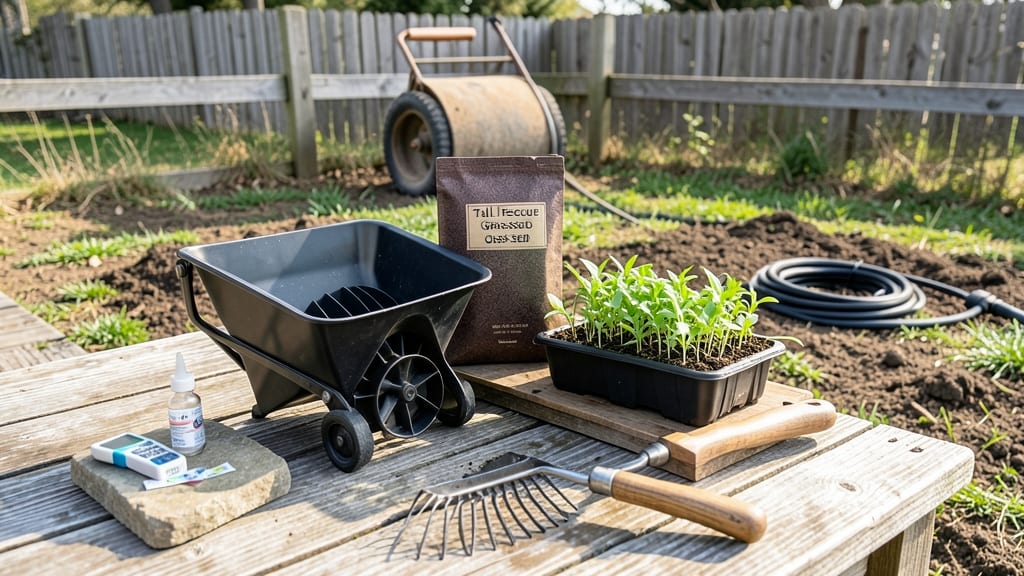
Planting grass seed in New Jersey isn’t just about grabbing a bag and scattering it—it’s about timing it just right to beat the region’s tricky weather. The best time to plant 🌱 isn’t what you’d guess, and getting it wrong can mean thin patches or wasted effort.
With New Jersey’s 6a-7b climate, early spring and fall offer the perfect balance of warm soil and cooler air, giving grass roots 6-8 weeks to establish before winter or summer heat sets in. Skip the mid-summer rush, and you’ll avoid stressing your lawn with extreme conditions.
I’ll break down exactly when to plant—whether you’re seeding in March-April or September-October**—and how to prep your soil for maximum success. No more guessing games, just a lush, resilient lawn that stands up to NJ’s challenges.
Ready to skip the trial-and-error? Let’s dive into the ideal windows, soil tips, and care tricks that’ll make your grass seed thrive—no matter which season you choose.
New Jersey grass seed planting deadlines: spring vs fall timeline for maximum root growth
New Jersey gardeners know timing is everything—especially when planting grass seed. The difference between a lush, established lawn and a thin, patchy mess often comes down to planting at the right 6-week window.
In NJ’s USDA Zones 6a-7b, both spring and fall offer prime opportunities, but each has unique advantages and risks.
Fall planting (August–October) is my top recommendation for most NJ lawns. The soil stays warm while air temperatures cool, reducing water stress and weed competition. Spring (March–May) works too, but requires careful monitoring of soil temperatures and unpredictable rain.
Let’s break down the optimal deadlines and what happens if you miss them.
📅 Key Deadlines: Spring (March 15–May 15), Fall (August 15–October 15). These windows give grass 6-8 weeks of ideal 55–65°F soil temps—critical for root growth. Coastal areas (like Cape May) can push deadlines 2 weeks later due to milder microclimates.
Spring planting in NJ demands soil temperature checks. Use a soil thermometer (or the back-of-hand test—if it feels warm but not hot, it’s ready). Inland areas like Trenton or Newark hit ideal temps by mid-April, while coastal spots like Asbury Park may wait until late April.
Miss the window, and you risk uneven germination from late frosts or summer heat stress.
Fall is my favorite for NJ’s climate. The 60°F soil in September is perfect for cool-season grasses like tall fescue or Kentucky bluegrass. These varieties establish 50% faster in fall because they focus energy on root growth instead of leaf production.
Plus, fewer weeds and consistent moisture mean less work for you.
Microclimates matter—big time. Inland NJ (like Morristown) can have 10°F warmer soil than coastal areas by October. If you’re near the Jersey Shore, push your fall deadline to mid-October.
For inland spots, early October is safer. Always check the 10-day forecast for frost warnings—seedlings can’t handle temps below 40°F.
What if you miss the ideal windows? Don’t panic. Late spring (June) is a no-go—summer heat dries out soil too fast. But early fall (July) can work if you use shade cloth and daily watering.
For cool-season grasses, aim for late August at the latest. Warm-season grasses (like Bermuda) can handle June planting but require extra mulch to retain moisture.
Pro tip: Test your soil pH before planting. NJ’s sandy soils often need lime (to raise pH) or sulfur (to lower pH). Aim for 6.0–7.0—any lower, and your grass won’t absorb essential nutrients.
A simple $20 soil test kit from your local garden center solves this in 2 weeks.
Remember, the first 21 days after planting are critical. Grass needs consistent moisture—think 0.25 inch of water daily (that’s about 5 minutes of sprinkler time). Water early morning to avoid fungal diseases like brown patch, common in NJ’s
New Jersey grass seed planting deadlines: spring vs fall timeline for maximum root growth
New Jersey’s 6a-7b climate gives you two prime windows to plant grass seed: early spring (March–April) and early fall (August–October).
These periods offer the perfect balance of warm soil (55–65°F) and moderate air temperatures, allowing grass roots to establish in 6-8 weeks before extreme heat or winter sets in.
Fall planting is often the best choice for NJ gardeners because cooler air reduces water stress while warm soil speeds up germination. Spring planting works too, but you’ll need to act fast—once temps hit 80°F+, seed can dry out or fail to sprout.
Let’s break down the exact deadlines and success factors for each season.
| Season | Optimal Planting Window | Soil Temp | Success Rate | Key Challenge |
|---|---|---|---|---|
| Spring | March 15–April 30 | 55–65°F | 85% | Late frost risk |
| Fall | August 15–October 15 | 60–70°F | 92% | Early frost risk |
For coastal NJ (e.g., Cape May, Jersey Shore), extend your fall window until October 31—cooler ocean breezes delay frost. Inland areas (e.g., Morris County) should aim for October 1 to avoid early freezes.
Always check your local frost dates—plant 4-6 weeks before the first expected frost for fall success.
Spring planting requires soil temperatures above 50°F—use a soil thermometer to confirm. If you’re seeding in late April or May, opt for cool-season grasses like tall fescue or Kentucky bluegrass, which tolerate warmer starts better than ryegrass.
Shade your seed with straw mulch if daytime temps exceed 85°F.
Pro tip: Test your soil’s moisture before planting—NJ’s sandy soils dry out fast. Aim for 1 inch of water per week during establishment, and always water in the early morning to prevent fungal diseases. Skip seeding in June–August unless you’re using shade-tolerant varieties—the heat will stress young grass.
Timing isn’t everything, but it’s 80% of your success. Combine these deadlines with proper soil prep (next section!), and you’ll have a lawn that outlasts NJ’s toughest seasons. Ready to dive into the 5 critical factors that’ll make or break your grass seed’s survival?