
Plants
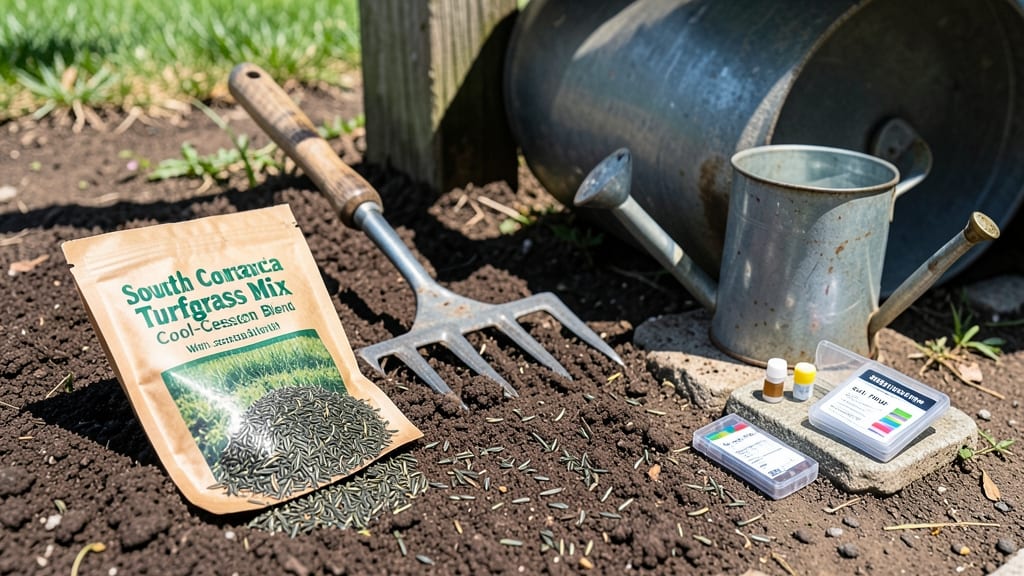
Planting your 🌱 grass seed in South Carolina at the wrong time can turn your dream green lawn into a frustrating, patchy mess—unless you know the best window to act.
Most gardeners assume spring is the only chance to plant, but in South Carolina’s 7b-8a zones, late summer/early fall often gives you a thicker, more resilient lawn with fewer weeds.
The key? Timing it right when soil temperatures hit that sweet spot of 60-75°F—before summer’s brutal heat or winter’s first frost.
Whether you’re in Charleston’s humid coastal climate or the Upstate’s drier Piedmont region, the right planting strategy makes all the difference.
I’ll show you exactly when to plant, how to prep your soil, and which grass types thrive in your corner of the state—so you can skip the guesswork and get a lawn that stays lush all year.
Ready to stop wasting seed and money? Let’s dive into the optimal planting windows that’ll have your grass growing strong in no time.
Optimal South Carolina grass seed planting windows by region and climate zones
South Carolina's diverse climate—from the humid coastal plains to the cooler Piedmont region—means one planting window doesn't fit all. Understanding your USDA Zone (7b-8a) and microclimate is key to avoiding patchy lawns.
The two best times to plant grass seed are early spring (March-April) and late summer/early fall (August-September), but timing shifts slightly depending on where you live in the state.
Coastal areas like Charleston experience warmer winters and longer growing seasons, while the Upstate (Greenville, Spartanburg) has cooler temperatures and earlier frost risks. Even within cities, urban heat islands can create microclimates where grass thrives weeks earlier than rural areas.
This regional variation is why soil temperature—not calendar dates—should guide your planting schedule.
For coastal South Carolina (Zones 8a), the ideal window stretches from mid-February through April and August through mid-October. The warmer climate allows earlier spring planting, but avoid planting when daytime highs exceed 90°F, as this stresses young seedlings.
In contrast, Piedmont and Upstate regions (Zones 7b) should wait until mid-March to early April in spring and late August to early September in fall to avoid late frosts.
Avoid planting during peak summer heat (June-July)—even in coastal areas—because high temperatures and drought stress cause seed to dry out before germination. Similarly, planting too late in fall (after mid-October in most areas) risks frost damage before roots establish.
The 60-75°F soil temperature range is your golden window for success.
| Region | USDA Zone | Best Spring Window | Best Fall Window | Soil Temp Goal (°F) | Key Risk |
|---|---|---|---|---|---|
| Coastal (Charleston, Beaufort) | 8a | Mid-February–April | August–Mid-October | 60–75°F | Summer drought stress |
| Piedmont (Columbia, Rock Hill) | 7b | Mid-March–Early April | Late August–Early September | 60–75°F | Late frost damage |
| Upstate (Greenville, Spartanburg) | 7b | Late March–April | Late August–Early September | 60–75°F | Early frost |
To pinpoint your exact window, use a soil thermometer—plant when temperatures are consistently above 60°F at 4-inch depth. In coastal areas, this often means planting 2–3 weeks earlier than Upstate regions. For example, Charleston's ideal spring window (March) aligns with Greenville's late April schedule.
Rainfall patterns also play a role. Fall planting benefits from South Carolina's natural rainfall (September-October averages 3–4 inches/month), reducing your watering workload. In contrast, spring planting often requires supplemental watering until summer rains return. Always water deeply 1–2 times daily for the first 2 weeks post-planting to encourage root growth.
Pro tip: Test your soil's moisture retention before planting. Sandy coastal soils dry out faster, while clay-heavy Piedmont soils may need amendments like compost to improve drainage. Aim for moist but not soggy soil—think of a damp sponge, not a dripping one.
Finally, choose your grass seed type based on your region. Coastal areas thrive with warm-season grasses like Bermuda or Zoysia, while Piedmont regions often prefer cool-season grasses like Tall Fescue.
Mixing seed types can create a year-round green lawn, but requires careful timing to avoid competition between varieties.
Timing your planting isn't just about avoiding frost—it's about maximizing germination, minimizing weeds, and establishing deep roots before South Carolina's summer heat or winter chill sets in. Get it right, and you'll enjoy a lush, low-maintenance lawn with minimal reseeding. 🌱
3 Critical mistakes that ruin grass seed planting in South Carolina (and how to Fix them)
Even with the perfect timing, many South Carolina gardeners still struggle with patchy grass because they make these 3 common mistakes—and they’re easier to fix than you think. The first? Planting when the soil temperature is too hot or too cold, which slows germination and invites weeds.
I’ve seen lawns fail because of skipping soil prep, like not removing debris or leveling the ground. A smooth, clean seedbed is non-negotiable for even coverage. The third mistake? Overwatering or underwatering—both can drown seeds or dry them out before roots take hold.
Let’s break down these mistakes and how to avoid them so your grass seed gets the best start possible in South Carolina’s climate.
⚠️ Critical Mistake #1: Ignoring Soil Temperature
Planting when soil temps are below 60°F or above 75°F stalls germination. In SC, this means avoiding late spring heat (May-June) and early fall chill (October-November).
🌡️ Fix: Use a soil thermometer (under $10) to check temps before planting. Aim for 60-75°F for optimal growth.
For example, in Charleston’s coastal zone, soil stays warm longer, so late August is ideal, while the Upstate’s Piedmont may need early September to avoid early frost. Always check your local USDA Zone 7b-8a guidelines for adjustments.
⚠️ Critical Mistake #2: Poor Soil Preparation
Uneven soil, rocks, or leftover grass clippings create bare spots and uneven growth. I’ve seen lawns where homeowners rushed prep and ended up with thin, patchy coverage.
🛠️ Fix: Till the soil to 6 inches deep, remove debris, and level the area with a rake. Add compost for nutrients if your soil is sandy or clay-heavy.
South Carolina’s soil varies widely—coastal areas often have sandy, fast-draining soil, while mountain regions may have dense clay. Test your soil’s pH (aim for 6.0-7.0) and amend accordingly. A simple lime application can boost pH if needed.
⚠️ Critical Mistake #3: Watering Wrong
Watering too much causes seed rot, while underwatering leaves seeds dry and crispy. The key is consistent moisture—not soggy or bone-dry soil.
💧 Fix: Water lightly 2x daily (morning/evening) for the first 2 weeks, then taper to 1 inch per week. Use a sprinkler with gentle mist to avoid displacing seeds.
Pro tip: Water in the early morning to reduce evaporation and fungal risks. If you’re planting in drought-prone Upstate SC, consider a drip irrigation system for precision. Avoid evening watering—it promotes disease in humid SC summers.
By avoiding these 3 mistakes, your grass seed will germinate faster, establish deeper roots, and outcompete weeds. Next, we’ll cover the best grass types for South Carolina’s climate zones—so you can pick the perfect variety for your yard.