
Plants
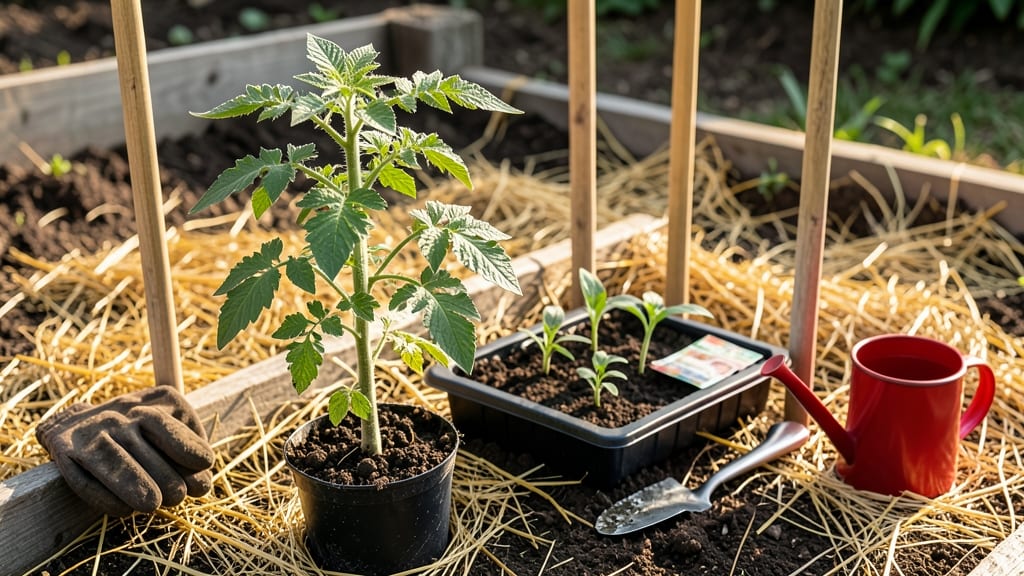
Planting your 🍅 tomatoes at the wrong time in North Carolina can mean the difference between a bountiful harvest and a sad, wilted disappointment. Whether you're in the Piedmont's warmer zones or the mountains' cooler microclimates, getting the timing right is the key to avoiding frost damage or stunted growth.
Most gardeners know the general rule—wait until after the last frost—but in NC's diverse 6a-8b zones, that window can vary by weeks.
I've tested the best planting schedules across the state, from coastal areas where frost lingers until mid-April to inland regions where you can start as early as late March with proper protection.
What you'll discover here are the exact deadlines for transplanting seedlings in your specific heat zone, plus smart strategies to extend your growing season. We'll cover everything from soil temperature tricks to adjusting for local microclimates that can make a 30-day difference in your harvest timing.
Ready to grow healthier, more productive tomato plants? Let's dive into the science-backed schedule that works for NC gardeners—no guesswork, just results.
North Carolina heat zones and tomato planting deadlines by region
North Carolina’s diverse climate—from the cool Blue Ridge Mountains to the humid coastal plains—means tomato planting deadlines vary by USDA heat zone.
In Zone 5b (e.g., Asheville), wait until May 1 after last frost, while Zone 8a (e.g., Wilmington) can plant as early as March 15. The key is soil temperature: aim for 60°F+ to prevent stunted growth.
Most NC regions have a 180-240-day frost-free window, but fall planting for late-season harvests works too. For example, Charlotte (Zone 7b) can transplant seedlings until July 15 for a fall harvest before first frost. Always check your local frost date—coastal areas freeze later than inland zones.
Here’s the breakdown by region, including ideal transplant windows and harvest timelines:
| Region | USDA Zone | Last Frost Date | Spring Planting Window | Fall Planting Window | Harvest Time |
|---|---|---|---|---|---|
| Mountains (Asheville) | 5b-6a | April 15 | May 1 - May 15 | July 1 - July 15 | July - September |
| Piedmont (Raleigh) | 7a-7b | March 25 | April 15 - April 30 | July 15 - August 1 | June - October |
| Coastal (Wilmington) | 8a-8b | March 15 | March 20 - April 15 | August 1 - August 15 | May - November |
| Central (Charlotte) | 7b-8a | March 20 | April 1 - April 15 | July 30 - August 10 | June - October |
For fall harvests, plant heat-tolerant varieties like 'Celebrity' or 'Solar Fire' in late summer. These varieties handle 90°F+ temps better than standard types. Just be sure to harden off seedlings for 7-10 days before transplanting to avoid shock.
Pro tip: Use a soil thermometer to confirm 60°F+ soil temps before planting. Cold soil slows root growth and invites damping-off disease. If your ground is still chilly, try black plastic mulch to warm it faster—it can raise soil temps by 5-10°F.
In Zone 5b (e.g., Boone), consider starter plants from local nurseries in early May. These seedlings are already hardened and ready to thrive in cooler conditions. For coastal areas, watch for humidity-related diseases like early blight—space plants 2-3 feet apart for airflow.
Remember: Tomatoes need warmth to set fruit. If you plant too early, even a light frost can kill seedlings. Check the NC State Extension’s frost maps for real-time updates, or use the 30-day rule: Wait 30 days after last frost before transplanting for safety.
For container gardening, adjust timing slightly—pots warm up faster but dry out quicker. Start container tomatoes 2 weeks earlier than in-ground plants to account for microclimate differences. Just ensure pots have drainage holes and use lightweight potting mix.
🌱
How to adjust planting time for North Carolina’s microclimates and soil conditions
North Carolina’s diverse geography—from the cool Blue Ridge Mountains to the humid coastal plains—means your tomato planting schedule should adapt to local conditions.
In USDA Zone 6a (like Asheville), wait until May 1 to avoid late frosts, while Zone 8a (coastal areas) can start as early as March 20. Mountain gardeners often use cold frames or row covers to extend the season by 2-3 weeks.
Soil temperature is critical—tomatoes need 60°F+ soil to thrive. In cooler zones, lay down black plastic mulch 2-3 weeks before planting to warm the ground. For container gardening, use heat mats or move pots to sunnier spots during cooler mornings.
My Piedmont garden (Zone 7b) often hits 60°F soil by April 15, but I’ve seen delays in wet springs.
For fall planting (to harvest before frost), aim for July 15-August 1 in most of NC. Coastal areas can push this to August 15, but mountain zones should stop by July 1.
I once planted heirloom tomatoes in late July in Raleigh and harvested until October 10—a full 2 months of fruit! Use shade cloth in summer to prevent sunscald on exposed fruit.
Container gardeners have flexibility—move pots to sunniest spots or use self-watering systems to maintain consistent moisture. If you’re in a shady microclimate, choose determinate varieties like 'Roma' that tolerate slightly less light. My balcony tomatoes in Charlotte get 5 hours of sun and still produce, though yields are smaller.
Watch for false springs—those warm spells in March that fool you into planting early. I’ve seen 70°F days in early April followed by 28°F nights within a week.
Use a minimum-maximum thermometer to track nighttime temps. If frost is forecasted, cover plants with frost cloth or move containers indoors temporarily.
Pro tip: Plant basil alongside tomatoes to repel pests and improve flavor. In humid coastal areas, this combo also helps with airflow, reducing fungal diseases like early blight.
My Asheville garden thrives with this pairing—just be sure to stake both plants to avoid sprawl in summer’s 90°F+ heat. 🌱