
Companion Plants
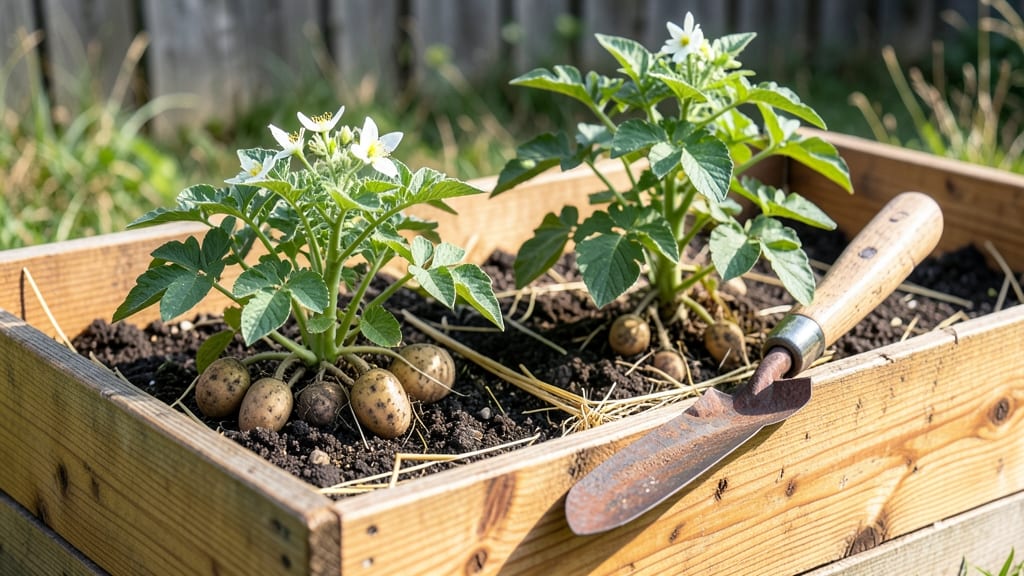
Optimal planting windows for Michigan potatoes by variety type
Michigan’s Zone 5 climate demands precise timing for potato planting, where a late frost can wipe out your crop in days. The key is matching your potato variety to the right planting window—early, mid-season, or late—to align with soil temperatures and frost-free dates.
Let’s break it down by variety type and region, so you can avoid the heartbreak of frost-nipped spuds.
For early varieties like Yukon Gold or Red LaSoda, the sweet spot is mid-April in most of Michigan, once soil temps hit 45°F (7°C). These cold-hardy types can tolerate light frosts and mature quickly—ideal for Michigan’s short season.
In the Upper Peninsula, wait until May 1 to play it safe, as frosts linger longer there.
Mid-season varieties such as Kennebec or Russet need a longer growing season, so plant them late April to early May when all frost risk has passed. These types thrive with 60-90 days to maturity, making them perfect for Michigan’s Lower Peninsula, where summers are slightly warmer.
Late varieties like Purple Viking or German Butterball should go in early May, but only in southern Michigan (Zone 6b). These need 100+ days to reach harvest, so planting them too early risks blight from Michigan’s humid summers.
Always check your last frost date—use the Michigan State University frost calculator for your exact location.
| Variety Type | Planting Window (Zone 5) | Soil Temp Requirement | Days to Maturity | Best For |
|---|---|---|---|---|
| Early (Yukon Gold, Red LaSoda) | Mid-April (Upper Peninsula: May 1) | 45°F (7°C) | 60-75 days | Cold snaps, short seasons |
| Mid-Season (Kennebec, Russet) | Late April–Early May | 50°F (10°C) | 90-110 days | Standard harvests, Lower Peninsula |
| Late (Purple Viking, German Butterball) | Early May (Southern MI only) | 55°F (13°C) | 100+ days | Long summers, storage potatoes |
Pro tip: Use a soil thermometer to confirm readiness—cold soil slows sprouting, and you don’t want your potatoes sitting in the ground waiting for warmth. If temps stay below 45°F (7°C) for more than a week, delay planting until conditions improve.
This is especially critical in northern Michigan, where springs can be 2-3 weeks later than the southern half of the state.
For container growing, plant early varieties in late March under row covers or in a greenhouse. Containers warm up faster than soil, giving you a head start. Just ensure your pots have drainage holes and use a lightweight potting mix—potatoes hate soggy roots.
Black plastic pots absorb heat better, which can help jumpstart growth in chilly springs.
Don’t forget about succession planting! If you have space, plant a second crop of early varieties 2-3 weeks after your first planting. This stretches your harvest window and reduces risk if the first crop fails.
Just mark your calendar for July 1—any potatoes planted after that won’t have enough time to mature before Michigan’s first frost in mid-October.
One common mistake? Planting too early and then getting hit by a late frost. If your potatoes are already sprouting above ground when temps drop below 28°F (-2°C), cover them immediately with straw or row fabric.
The tubers themselves are more frost-resistant, but the greening stems will die back. Your potatoes will still produce—just give them a few extra weeks to recover.
Finally, consider your microclimate. Gardens near lakes or rivers may warm up 1-2 weeks earlier than inland areas. Observe your neighbors’ planting dates or ask local gardeners at your county extension office for hyper-local advice.
In Michigan, knowledge from your fellow gardeners is just as valuable as any planting chart.
How to adjust planting dates for Michigan’s unpredictable spring weather
Michigan’s spring is famously fickle—one day warm enough to plant, the next a surprise frost that can wipe out your potato crop. The key to success is flexibility.
Start by checking the average last frost date for your area (usually mid-April in southern Michigan, but late May in the Upper Peninsula). However, don’t rely solely on dates; use a soil thermometer to confirm when soil reaches 45°F (7°C), the ideal temperature for planting.
If late frosts delay your outdoor planting, consider early greenhouse or cold-frame planting in late February or March. This gives you a head start on the season and lets you transplant hardened-off seedlings once the ground is workable.
For example, I’ve had success with Red LaSoda planted in a cold frame in early March, then moved outdoors by mid-April—resulting in a harvest 3 weeks earlier than traditional outdoor planting.
⚠️ 3 Warning Signs Your Potatoes Are at Risk from Frost
- Wilted foliage after a cold snap—even if temps rebound, tubers may already be damaged.
- Blackened stems or leaves with ice crystals, indicating overnight freezing.
- Soil feels icy when probing with your fingers—wait at least 48 hours after the last frost before planting.
Pro tip: Use row covers or straw mulch to insulate plants if frost is forecasted within 1 week of planting.
For gardeners in northern Michigan (Zone 5a), where frosts linger longer, opt for early-maturing varieties like Yukon Gold or Kennebec and plant as soon as soil is workable, even if it means dealing with light frost.
These varieties tolerate cooler soils better than late-season types. In contrast, southern Michigan (Zone 6a) can safely plant late varieties like Russet Burbank up to mid-May, giving them time to mature before fall frosts.
Another trick I swear by is the "5-5-5" rule: Wait until 5 weeks after your average last frost, the soil is 50°F+ (10°C), and you’ve had 5 consecutive frost-free days.
This reduces the risk of both early and late frosts ruining your crop. Pair this with black plastic mulch to warm the soil faster—it can shave 2-3 weeks off your planting timeline.
If all else fails, have a backup planting plan. Keep a few seed potatoes in a cool, dark place (like a basement) and be ready to plant them 2-3 weeks later if spring stalls.
This "insurance planting" ensures you’ll have at least a partial harvest, even if your first attempt fails. Just remember: late plantings won’t yield as many large potatoes, but they’ll still produce edible tubers if cared for properly.
Finally, don’t forget to monitor weather forecasts and adjust your timeline accordingly. The National Weather Service’s Michigan-specific frost maps are a lifesaver for tracking real-time risks. With these strategies, you’ll turn Michigan’s unpredictable spring into an advantage—not a roadblock—for your potato patch. 🌱