
Companion Plants
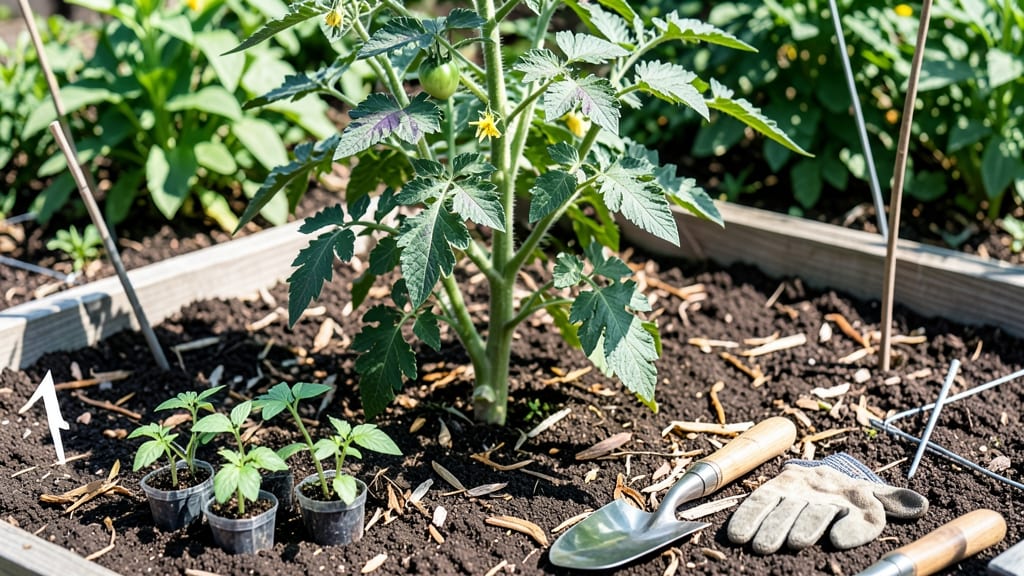
Planting your 🍅 tomatoes in Illinois at the right time can mean the difference between a garden full of juicy red fruit and a sad, wilted disappointment. The key isn't just waiting until spring—it's understanding your local frost dates and how they affect your plants' growth timeline.
In Illinois' 5b-6b zones, waiting until after the last frost (typically around April 15) gives your seedlings the best chance to thrive. But timing isn't just about avoiding frost—it's also about giving your plants enough warm weather to mature before summer's heat sets in.
Whether you're starting seeds indoors or buying transplants, I'll walk you through the exact planting windows that work best in Illinois. You'll learn how to adjust for late frosts, heat waves, and other local weather quirks that can throw off even the most careful gardeners.
By the end, you'll know exactly when to put those tomato seeds in the ground for a harvest that'll make your neighbors jealous. Let's get started!
Illinois tomato planting dates by frost zone: exact timing for maximum yield
Timing your tomato planting in Illinois depends heavily on your frost zone, which ranges from 5b in northern to 6b in southern regions. Illinois' last spring frost typically arrives between April 15 and May 1, but this varies by county.
Planting too early risks frost damage, while waiting too long may shorten your harvest window.
For northern Illinois (USDA zones 5a-5b), aim to plant tomato seedlings after May 10—when soil temperatures consistently reach 60°F. In central and southern Illinois (zones 6a-6b), you can plant as early as April 20 for early varieties.
Always check your local frost dates using the Illinois State Climatologist or Old Farmer's Almanac for precision.
🌱 Illinois Tomato Planting Timeline by Zone
| Zone | Last Frost Date | Transplant Window | Direct Sow Window | Harvest Peak |
|---|---|---|---|---|
| 5a-5b (North) | April 25 - May 10 | May 15 - June 1 | June 10 - July 1 | July - August |
| 6a (Central) | April 15 - April 30 | April 25 - May 15 | May 10 - June 1 | June - September |
| 6b (South) | April 1 - April 15 | April 10 - May 1 | April 20 - May 10 | May - October |
If you're starting seeds indoors, begin them 6-8 weeks before your last frost date. For example, northern Illinois gardeners should start seeds by March 15, while southern Illinois gardeners can start as late as April 1.
Use grow lights to ensure seedlings get 12-16 hours of light daily—weak seedlings struggle in Illinois' variable spring weather.
For store-bought transplants, harden them off for 7-10 days before planting. Choose compact varieties like 'Patio Princess' if space is limited, or indeterminate types like 'Sungold' for continuous harvests.
Always plant tomato seedlings deeply—bury 2/3 of the stem to encourage strong root growth, which is critical for Illinois' hot summers.
In northern Illinois, consider row covers to extend your season. These can push planting dates 2-3 weeks earlier and protect against late frosts. Remove covers once flowers appear to prevent pollination issues.
For southern Illinois, focus on heat-tolerant varieties like 'Heatmaster' or 'Solar Fire' to avoid blossom drop during 90°F+ heat waves.
Never plant tomatoes in the same spot two years in a row—soil-borne diseases like early blight thrive in Illinois' humid summers. Rotate with beans, peas, or lettuce to keep your tomato plants healthy.
Use mulch (straw or black plastic) to retain moisture and suppress weeds, especially important during Illinois' dry spells.
Monitor your local weather forecasts in late spring—unpredictable frost can still occur in May. If frost is forecasted, cover plants with lightweight blankets or plastic sheeting.
In southern Illinois, watch for early heat waves—tomatoes need time to establish before 90°F+ temperatures stress young plants.
For a second harvest, try fall planting in southern Illinois. Choose fast-maturing varieties like 'Early Girl' and plant transplants in late July. With row covers, you can extend harvests until first frost (typically mid-October). This strategy works best in USDA zone
How to adjust planting dates for Illinois weather quirks: heat waves, late frost, and drought
Illinois' unpredictable weather can turn a perfect planting schedule into a disaster if you're not prepared. Late frosts in May or early heat waves in June are common, and they demand flexibility.
The key is to have backup plans for both early starts and late adjustments—because even a few days of unexpected frost can kill young seedlings.
For gardeners in northern Illinois (Zone 5b), I recommend starting seeds indoors by March 15 and having row covers ready.
If you're in southern Illinois (Zone 6b), you might get away with direct sowing by April 1, but always check your local frost-free date—it can vary by 1-2 weeks between counties.
Here’s the critical rule: Never plant outdoors until soil temperatures hit 60°F+. Use a soil thermometer to check—cold soil stunts root growth, making plants vulnerable to blight and wilting.
If your soil is still chilly, opt for heat-tolerant varieties like 'Celebrity' or 'Solar Fire' and delay planting until mid-May.
⚠️ Warning: Late Frost Risks
Even after the average last frost date, Illinois can surprise you with late frosts in April or May. If you plant too early:
- Seedlings die from cold snaps below 32°F.
- Roots rot in soggy, chilled soil.
- Growth stalls for weeks, delaying harvests.
Solution: Use black plastic mulch or row covers to warm soil faster and protect young plants. Monitor forecasts on NOAA’s Frost Prediction Map for real-time alerts.
If heat waves hit early (like the 90°F+ days in June Illinois often sees), switch to shade cloth or plant fast-maturing varieties like 'Early Girl' or 'Stupice.' These tomatoes thrive in short seasons and handle heat better than standard types.
For drought-prone areas, mulch heavily with straw to retain moisture—Illinois summers can dry out soil fast, leading to blossom drop and poor fruit set.
Pro tip: Stagger your planting by 2-3 weeks to spread out harvests. Plant early varieties in April, mid-season in May, and late varieties in June. This way, you’ll have tomatoes ripening from July through September, even if one batch gets hit by unexpected heat or rain.
Finally, watch for warning signs like yellowing leaves (too much water or disease) or drooping foliage (drought stress). Adjust your watering and shading immediately—Illinois tomatoes don’t forgive neglect. With these tweaks, you’ll turn weather quirks into advantages, not obstacles.