
Plants
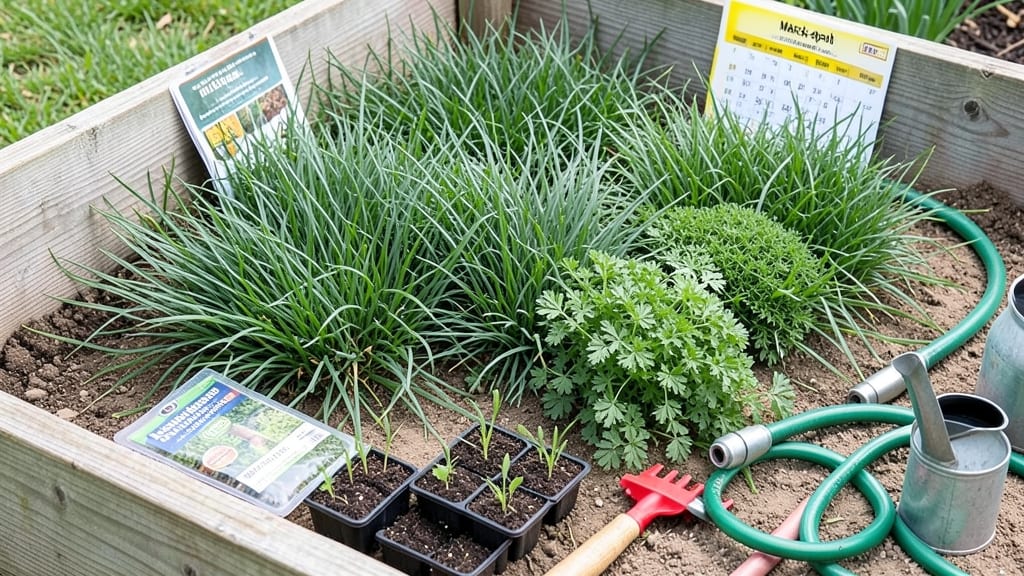
Michigan’s exact grass-seeding timeline: weeks before last frost by region
Michigan’s three distinct climate zones mean the perfect grass-seeding window varies from Northern Michigan’s chilly Upper Peninsula to Southern Michigan’s warmer Detroit suburbs. Getting the timing right—4-6 weeks before last frost—gives seedlings time to establish roots before summer heat arrives.
Let’s break down the optimal planting windows for each region, so you can avoid frost damage or missed opportunities.
For Northern Michigan (including Marquette, Traverse City, and the UP), the last average frost date typically falls between May 10-20. This means you should plant grass seed in early April (around April 1-15) to give seedlings enough time to germinate before summer arrives.
If you miss this window, your next best bet is early fall seeding in September, when soil temperatures stay warm enough for root growth.
In Southern Michigan (Detroit, Ann Arbor, Kalamazoo), where the last frost date is usually April 15-30, aim to seed between March 15 and April 15. The earlier window (March) works best for cool-season grasses like Kentucky bluegrass and tall fescue, which thrive in Michigan’s climate.
If you wait until May, weeds will outcompete your grass seedlings, making establishment difficult.
For transition zones (Grand Rapids, Lansing, Battle Creek), which experience a mix of Northern and Southern Michigan conditions, seed between April 1-15. These areas often have unpredictable late frosts, so monitor local forecasts and adjust your timeline accordingly.
Fall seeding in early September is also ideal here, as it allows roots to strengthen before winter.
| Region | Last Frost Date | Best Planting Window | Alternative Window |
|---|---|---|---|
| Northern Michigan (UP, Traverse City) | May 10-20 | April 1-15 | Early September |
| Southern Michigan (Detroit, Ann Arbor) | April 15-30 | March 15-April 15 | Mid-September |
| Transition Zones (Grand Rapids, Lansing) | April 20-May 5 | April 1-15 | Early September |
To find your exact last frost date, check the NOAA Climate Data or use gardening apps like PlantNet or Gardenate. These tools provide hyper-localized frost dates based on your ZIP code, ensuring you plant at the optimal time.
For example, if your area’s last frost is May 1, seed by March 15 to give seedlings a 6-week head start before summer heat arrives.
If you’re seeding in fall, aim for early September in most of Michigan. This timing allows grass roots to establish before winter dormancy, resulting in a thicker, more resilient lawn the following spring.
Just be sure to avoid seeding after September 15, as cooler temperatures slow germination and increase frost risk.
Pro tip: Test your soil temperature before planting—ideal germination occurs when soil is 50-65°F. Use a soil thermometer to confirm conditions are right. If temperatures drop below 50°F, wait a few weeks or use a lightweight row cover to protect seedlings from frost.
Timing your grass seeding correctly in Michigan isn’t just about avoiding frost—it’s about beating weeds and maximizing root growth before summer’s heat and drought stress set in. By following these region-specific windows, you’ll give your lawn the best possible start for a lush, green finish.
Ready to prep your lawn? In the next section, we’ll cover soil preparation, weed control, and seed selection to ensure your grass thrives once planted. 🌱
How to prepare your Michigan lawn for grass seed success
Michigan’s clay-heavy soils and variable weather demand extra prep work before planting grass seed. Without proper preparation, your seeds may struggle to germinate or get choked out by weeds. The key is creating an ideal environment where seeds can establish strong roots before summer heat arrives.
Start by testing your soil’s pH level—most Michigan lawns benefit from a pH between 6.0 and 7.0. If your soil is too acidic or alkaline, amend it with lime or sulfur at least 4-6 weeks before planting.
This gives the soil time to adjust and prevents seed burn.
Next, tackle weed control aggressively. Use a non-selective herbicide like glyphosate to kill existing weeds, then let the area dry completely before seeding. For organic options, apply corn gluten meal as a pre-emergent weed blocker after planting—it’s safe for seeds but stops weed seeds from sprouting.
🌱 Step-by-Step Prep for Michigan Grass Seed Success
- Test Soil pH (4-6 weeks before planting) – Aim for 6.0-7.0; amend with lime or sulfur if needed.
- Aerate Compacted Soil (Early fall or spring) – Use a core aerator to relieve clay soil compaction and improve water/air penetration.
- Remove Debris – Rake out rocks, roots, and thatch to create a smooth seedbed.
- Apply Starter Fertilizer (High phosphorus, like 10-20-10) – Promotes root growth before seeding.
- Choose the Right Seed Mix – For Michigan, opt for Kentucky bluegrass (shade-tolerant) or tall fescue (drought-resistant).
- Spread Seed Evenly – Use a broadcast spreader for ½ lb per 100 sqft; lightly rake to ensure soil contact.
- Mulch Lightly – Apply a thin layer of straw (¼ inch) to retain moisture and protect seeds from birds.
For Michigan’s clay-heavy soils, aeration is non-negotiable. Rent a core aerator to pull small soil plugs (about 3-4 inches deep) across your lawn. This breaks up compaction, allowing roots to penetrate deeper and improving water drainage.
Schedule aeration in early fall (September) or early spring (April), just before seeding.
When selecting grass seed varieties, prioritize types suited to Michigan’s climate. Kentucky bluegrass thrives in partial shade and recovers well from wear, making it ideal for high-traffic areas. Tall fescue, on the other hand, handles drought and foot traffic better, perfect for southern Michigan’s hotter summers.
Mixing perennial ryegrass (fast germinating) with your primary seed can speed up coverage.
After seeding, keep the soil consistently moist by watering lightly twice daily (morning and evening) for the first 2 weeks. Avoid heavy watering, which can wash seeds away or cause crusting.
Once seedlings reach 3-4 inches tall, gradually reduce watering to 1 inch per week to encourage deep root growth.