
Plants
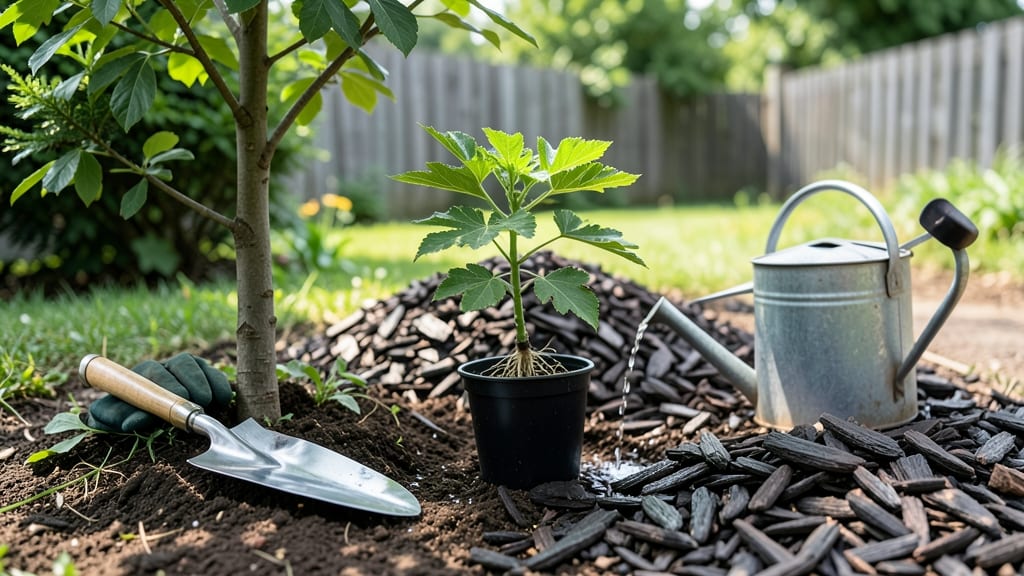
Timing your fig tree planting just right in New York can mean the difference between a thriving 🍈 and a frost-killed sapling—especially when last frost dates shift from Zone 5b upstate to Zone 7a in NYC.
Most gardeners in NY wait until late April or early May, but that’s not a one-size-fits-all rule. Whether you’re in the Bronx or Buffalo, microclimates and soil warmth play a bigger role than you might think.
I’ll break down the exact frost-free deadlines by zone so you can plant with confidence.
You’ll also discover how container growing extends your planting window, which varieties handle NY’s short season best, and the 3 critical mistakes that kill fig trees before they bear fruit. Let’s get your tree off to the right start.
From soil prep to post-planting care, I’ll walk you through every step to ensure your fig tree survives—and thrives—through NY’s unpredictable winters. Ready to plant with precision?
NY frost-free deadlines for planting fig trees by Zone 6-7B
Fig trees thrive in warmth but struggle with New York’s late spring frosts, which can kill young roots if planted too early. The key to success is timing your planting after the last average frost date—typically mid-to-late April for most of NY.
However, this varies by USDA Zone and microclimate, so let’s break it down by region to ensure your fig tree survives and thrives.
For Zone 6 (upstate NY), where winters are colder, aim for late May planting to give the soil time to warm.
In Zone 7B (NYC, Long Island), you can plant as early as mid-April, but always verify local frost dates using the National Weather Service or Old Farmer’s Almanac. Soil temperature is just as critical—fig roots need at least 60°F (15°C) to establish properly.
Container-grown fig trees offer more flexibility since you can move them indoors or to a greenhouse if frost threatens. For in-ground planting, choose a south-facing location with well-draining soil to maximize warmth and avoid cold air pockets.
Avoid low-lying areas where frost lingers longer, even if the official frost date has passed.
| Zone & Region | Last Frost Date | Ideal Planting Window | Soil Temp Requirement | Notes |
|---|---|---|---|---|
| Zone 6 (Upstate: Albany, Syracuse) | April 20–May 5 | Late May (after May 10) | 60°F+ (15°C+) | Use frost cloth for early spring; consider container planting for mobility. |
| Zone 7A (Capital Region, Hudson Valley) | April 15–April 30 | Early May (after April 30) | 60°F+ (15°C+) | Microclimates vary; urban areas may warm faster than rural spots. |
| Zone 7B (NYC, Long Island, Westchester) | April 1–April 15 | Mid-April to early May | 55°F+ (13°C+) | Container planting ideal for urban areas with limited space. |
| All Zones (Container Gardening) | Flexible (move indoors if frost threatens) | April–June (after last frost) | 50°F+ (10°C+ for potted soil) | Use 5-gallon+ pots with drainage; bring indoors below 40°F (4°C). |
If you’re planting in Zone 6, consider starting your fig tree in a container the previous fall and overwintering it in a protected location (like a garage or unheated shed). This gives you a head start in spring and reduces transplant shock.
For Zone 7B, you can push the envelope slightly and plant in early April if you’re using black plastic mulch to warm the soil faster.
Always check the 7-day forecast before planting, even if the official frost date has passed. A late frost can still damage tender new growth. If you’re unsure, err on the side of caution—fig trees are forgiving if planted late, but they won’t recover from a frost-killed root system.
For container planting, use a fast-draining potting mix with perlite or sand, and place the pot in a wheelbarrow or on casters to move it quickly if frost is forecasted.
This is especially useful in NYC’s urban heat islands, where microclimates can vary dramatically even within a few blocks.
Once your fig tree is planted, mulch heavily with straw or wood chips to insulate roots and retain moisture. This is crucial in NY’s hot summers and cold winters, as mulch can add 5–10°F of protection during late frosts.
Avoid organic mulches like grass clippings, which can mat and suffocate roots.
Remember: Fig trees are not cold-hardy like apples or cherries, but with the right timing and care, they can thrive in NY’s climate. The Chicago Hardy variety is a top choice for colder zones, while 'Celeste' and 'Brown Turkey' are great for milder areas like Long Island.
Choose wisely based on your zone and microclimate!
How to extend the growing season for fig trees in cold climates
New York’s short growing season and unpredictable frosts make protecting your fig tree a must. Even after planting at the right time, late spring frosts or early autumn chills can damage tender leaves and young fruit.
The key is using seasonal extensions like mulching, frost cloths, and strategic placement to give your tree a fighting chance.
For container-grown figs, mobility is your best friend. Move potted trees indoors or to a garage during cold snaps—just ensure they get bright light (a south-facing window works).
If you’re planting in-ground, focus on microclimate selection: Avoid low spots where cold air pools, and choose a location near a south-facing wall for added warmth.
Mulching is non-negotiable in NY. Apply a 4-inch layer of mulch (straw or wood chips) around the base of your tree in early spring. This insulates roots and keeps soil temperatures stable.
Pair this with a frost cloth draped over young trees during late spring or early fall—even a light frost can set back growth.
Not all fig varieties handle NY’s climate equally. 'Celeste' and 'Brown Turkey' are top picks for Zones 6-7B, while 'Chicago Hardy' can survive brief dips to 15°F.
If you’re pushing the limits in Zone 6, consider container growing—it lets you move the tree to a sheltered spot or even indoors during winter.
For in-ground trees, winter protection starts in late fall. Wrap the trunk with burlap or tree wrap to prevent sunscald, then mound extra mulch around the base. In Zone 6, consider adding a straw bale windbreak on the north side to shield from cold winds.
Even with these steps, young trees may need seasonal pruning to remove damaged branches in early spring.
Remember: The goal isn’t to eliminate frost entirely—it’s to minimize damage and give your fig tree enough time to establish roots and produce fruit. With these strategies, you’ll turn NY’s challenges into opportunities for a thriving, productive tree. 🌿