
Planting
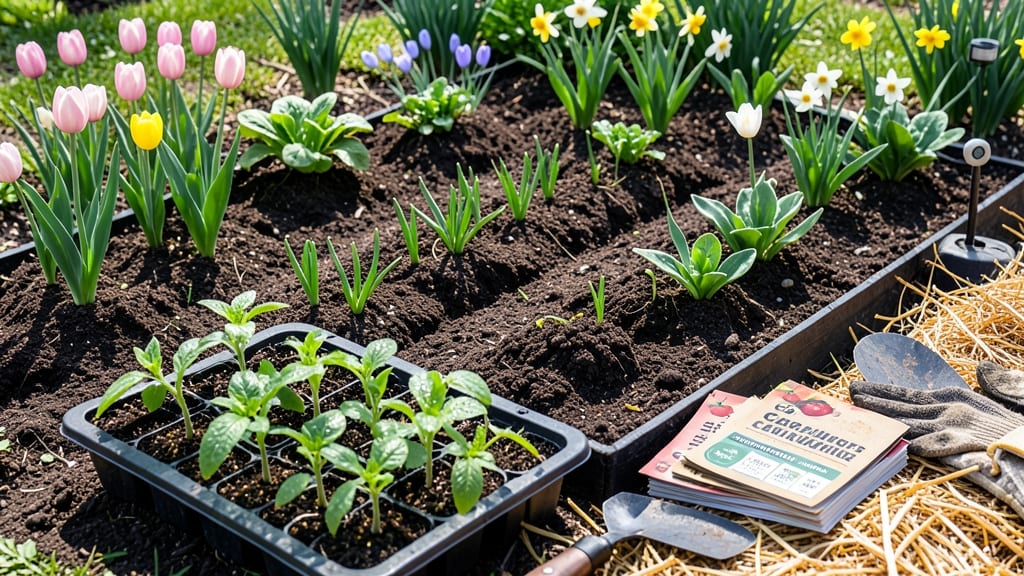
When to plant a garden in Indiana means the difference between a bumper crop and a wasted season—and those frost dates are the real deal-breaker. Whether you're dreaming of juicy tomatoes or crisp lettuce, planting too early risks frost damage, while waiting too long cuts your harvest short. With Zone 5b-6a weather patterns, knowing when to plant isn't guesswork—it's science.
I've grown Garden Vegetables (General) 🌱 in Indiana for years, and the key is understanding the last frost in mid-April and first frost in mid-October. Cool-season crops like spinach thrive when planted in early spring, while warm-season favorites like peppers need to wait until soil warms to 60°F.
Fall planting? Start again in early August for a second harvest before winter sets in.
This guide breaks down exactly when to plant each crop—no more second-guessing. You'll learn how to adjust for Indiana’s microclimates, extend your growing season with simple tricks, and even handle those pesky false springs. Ready to grow like a pro? Let’s get started.
From frost dates to soil prep, I’ll walk you through every step to ensure your garden thrives from April to September. No more missed opportunities—just a perfectly timed plot that delivers all season long.
Indiana frost dates by planting season: last & first frost timelines for 5b-6a
Indiana’s Zone 5b-6a climate means your planting schedule hinges on two critical dates: the last spring frost and the first fall frost. These dates separate the "too early" from the "just right" for your garden.
For most of Indiana, the average last frost falls between April 15 and May 1, while the first frost typically arrives between October 15 and November 1. But don’t rely on averages—local microclimates can shift these dates by weeks!
City-specific variations matter. In Indianapolis (Zone 6a), gardeners often see the last frost around April 20, while Fort Wayne (Zone 5b) can linger until May 5. Bloomington (Zone 6a) tends to warm up faster, with last frosts by April 10.
These differences highlight why checking your local frost-free days (about 165 days in Indiana) is non-negotiable for planning.
🌱 Pro Tip: Use the National Weather Service or Indiana State Climate Office for your county’s 10-year frost averages. Add a 2-week buffer to the last frost date for cold-sensitive crops like tomatoes or peppers—they need soil temps above 60°F to thrive.
Indiana Frost Dates by City & Season
| Location | Zone | Last Spring Frost | First Fall Frost | Frost-Free Days |
|---|---|---|---|---|
| Indianapolis | 6a | April 20 | October 25 | 188 |
| Fort Wayne | 5b | May 5 | October 15 | 163 |
| Bloomington | 6a | April 10 | November 1 | 175 |
| Evansville | 6b | April 5 | November 10 | 220 |
*Dates are averages; check local forecasts for real-time updates.
Microclimates can shift frost dates by 1-2 weeks. A south-facing slope or urban heat island (like downtown Indianapolis) may warm up faster, while low-lying areas or nearby lakes (like near Lake Michigan) can delay spring or bring early fall frosts.
To account for this, observe your yard: Plant cold-hardy crops (like spinach or peas) 2 weeks before your average last frost, and warm-season crops (like tomatoes) 2 weeks after.
🌡️ Warning: Indiana’s false springs (warm spells in March) are infamous. Don’t rush to plant! Wait until three consecutive days above 50°F and soil temps reach 50°F for cool-season crops or 60°F for warm-season ones.
A frost blanket or row cover can buy you 2-4 extra weeks of safety for early plantings.
For fall planting, aim to harvest before the first frost. Radishes and bush beans mature in 30-45 days, so plant them by August 15 in most of Indiana. Kale and carrots (60-80 days to maturity) can handle light frosts, giving you a September 15 deadline for late starts.
📅 Action Step: Mark your calendar with these Indiana planting milestones:
- March 15: Start indoor seeds (tomatoes, peppers).
- April 1-15: Plant cold-hardy crops (lettuce, peas).
- May 1-15: Transplant warm-season crops (after last frost).
- August 1-15: Sow fall crops (radishes, spinach).
Best planting schedule for Indiana gardens: cool vs. warm season crops
Indiana’s Zone 5b-6a climate rewards gardeners who align planting with cool-season and warm-season crops. Cool-season plants thrive in spring and fall, while warm-season crops need the warmth of late May to July. Timing is everything—get it wrong, and you’ll end up with stunted plants or wasted seeds.
Start by marking your calendar for mid-April, the average last frost date across most of Indiana. This is your cue to plant cold-hardy crops like peas, spinach, and lettuce.
For warm-season vegetables such as tomatoes and peppers, wait until the soil warms to 60°F+, typically by late May.
Here’s your month-by-month planting guide to maximize yields in Indiana’s short growing season:
Pro tip: Use succession planting for crops like lettuce and beans to ensure a steady harvest. For example, sow a new batch of lettuce every 2 weeks from April to July to avoid bolting.
Don’t forget perennials like asparagus and rhubarb—they thrive when planted in early spring (March–April) or fall (September–October). These hardy plants reward patience with years of harvests.
Indiana’s first frost typically arrives in mid-October, signaling the end of the outdoor growing season. Use this time to harvest remaining crops and plant garlic or hardy greens for next year’s early spring harvest. ☀️