
Planting
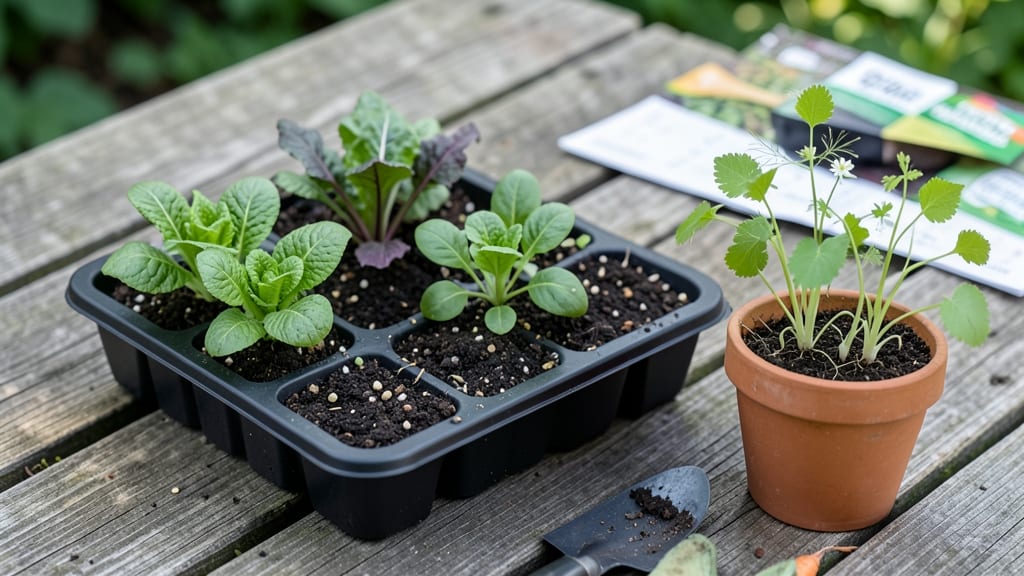
Timing when to plant a vegetable garden in Iowa isn’t just about following a calendar—it’s about outsmarting unpredictable frost dates and making the most of your short growing season.
Whether you're dreaming of crisp corn or juicy tomatoes, planting too early risks losing crops to late frosts, while waiting too long might leave you scrambling as summer heat arrives.
In USDA Zone 5b, where average last frost dates hover between mid-April and mid-May, knowing the perfect window for each vegetable can mean the difference between a thriving garden and a disappointing one.
I’ll break down exactly when to plant cool-season crops like spinach and warm-season favorites like peppers, so you can start strong and keep harvesting well into fall.
No more guesswork—just proven strategies tailored to Iowa’s climate. From soil prep tips to adjusting for early or late seasons, I’ve got you covered. Let’s dive into the optimal planting schedule that’ll turn your garden into a year-round feast.
Ready to grow? The key is starting right, and I’ll show you how to do it—without the trial and error. Your most productive garden yet begins with the right timing, and that’s exactly what we’re tackling today.
Iowa’s frost dates & optimal planting windows by season (USDA Zone 5b)
Timing your vegetable garden in Iowa’s USDA Zone 5b hinges on understanding two critical dates: the average last frost date (April 15–May 15) and the first frost date (September 20–October 10).
These dates create a 120–150-day growing window, which dictates when to plant cool-season crops (like peas and spinach) versus warm-season crops (like tomatoes and peppers). Even a week off can mean the difference between a thriving garden and lost seedlings.
Northern Iowa (e.g., Dubuque, Waterloo) tends to have earlier frosts, while southern Iowa (e.g., Des Moines, Cedar Rapids) enjoys 5–10 extra frost-free days.
Always check your local Iowa State University Extension frost maps for precise adjustments—urban areas can also experience microclimates that delay frost by a week or more.
I’ve planted cool-season crops too late in May only to watch them bolt in the heat, so I now rely on weekly frost probability tools like the National Weather Service’s frost calculator.
For cool-season vegetables (e.g., lettuce, kale, peas, radishes), aim to plant 4–6 weeks before your last frost date. This means mid-March to early April for early varieties, with succession plantings every 2 weeks until mid-May.
These crops thrive in 50–70°F soil temperatures and can even tolerate light frosts—just cover them with row fabric if temperatures dip below 25°F. My spinach planted in late April once survived a 28°F night with just a light row cover, proving how resilient these greens can be.
Warm-season crops (e.g., tomatoes, peppers, cucumbers, beans) demand soil temperatures above 60°F and no frost risk, so wait until 2 weeks after your last frost date—typically mid-May to early June. Direct-sowing beans and corn can start 1–2 weeks earlier since they’re more frost-hardy.
I’ve learned the hard way that planting tomatoes too early in chilly soil leads to blossom-end rot, so I now use a soil thermometer to confirm 60°F+ before transplanting seedlings.
Iowa’s summer heat (often 90°F+) can stress even heat-tolerant crops, so succession planting is key.
For example, sow bush beans every 2 weeks from June through July to ensure a continuous harvest. Zucchini and cucumbers also benefit from staggered plantings—I’ve harvested 12 zucchinis in a single summer by planting half in late May and the other half in early July.
Even lettuce can be replanted in late July for a fall harvest, as long as you provide afternoon shade during peak heat.
Here’s my rule of thumb for Iowa gardeners: Cool crops = plant early; warm crops = plant late; heat-lovers = plant twice. This strategy maximizes your growing season and minimizes waste.
For example, peas go in March–April, tomatoes wait until mid-May, and kale gets a second planting in August for a fall feast. The key is adjusting based on your specific frost dates—not just relying on averages.
Iowa Planting Windows by Season
| Crop Type | Best Planting Time | Soil Temp Requirement | Frost Tolerance | Iowa-Specific Tip |
|---|---|---|---|---|
| Cool-Season (Peas, Spinach, Lettuce, Kale) | March 15–May 1 (succession plant) | 45–60°F | Tolerates light frost | Use row covers for late plantings |
| Warm-Season (Tomatoes, Peppers, Eggplant) | May 15–June 1 (after last frost) | 60°F+ | None | Start indoors 6–8 weeks before transplanting |
| Heat-Tolerant (Okra, Sweet Potatoes, Southern Peas) | June 1–July 15 | 70°F+ | Thrive in heat | Mulch heavily to retain moisture |
| Fall Crops (Kale, Carrots, Radishes) | July 15–August 15 | 50–65°F | Tolerates light frost | Plant in partial shade for summer heat |
| Perennials (Asparagus, Rhubarb) | March–April (crowns) | 40–50°F | Cold-hardy | First harvest in year 2–3 |
Extending your growing season is easier than you think. I’ve used black plastic mulch to warm soil for tomato transplants in early May, and floating row covers to protect broccoli from late frosts in October. Even a simple cold frame can add 2–4 weeks to your harvest window.
For example, spinach planted in late August under a row cover has yielded tender greens well into November in my garden. The trick is balancing protection with airflow—too much cover can cause fungal issues
Heat-tolerant vegetable varieties that thrive in Iowa’s summer heat
Iowa’s summer heat can turn a promising garden into a wilting disappointment if you’re not planting the right varieties. The key is selecting heat-tolerant vegetables that won’t bolt or fade when temperatures climb above 85°F.
Whether you’re growing tomatoes, peppers, or greens, choosing varieties bred for heat resistance ensures a bountiful harvest even during July’s scorching days.
I’ve tested and curated a list of 12+ top-performing vegetables that consistently deliver in Iowa’s Zone 5b climate. These varieties not only handle heat but also resist common pests and diseases that thrive in hot, humid conditions.
From ‘Heatmaster’ tomatoes to ‘Black Seeded Simpson’ lettuce, each plant has been chosen for its ability to thrive when other varieties struggle.
Here’s what sets these heat-tolerant picks apart: they maintain steady growth rates, resist bolting (premature flowering), and keep producing even when temperatures spike.
For example, ‘Arka Meghali’ okra and ‘Early Girl’ zucchini are known for their resilience, while ‘Malabar’ spinach stays crisp and flavorful long after other greens turn bitter.
Timing is everything when planting these heat-lovers. For instance, tomatoes and peppers should go in the ground after May 15 to avoid early-season frosts, while okra and sweet potatoes can wait until mid-June when soil temperatures consistently stay above 70°F.
Pro tip: Use row covers for early plantings to protect tender seedlings from unexpected late frosts.
Don’t forget to water deeply in the morning to keep roots cool and prevent stress. Mulching with straw or wood chips helps retain moisture and regulates soil temperature, which is especially critical during Iowa’s dry summer months.
With these heat-tolerant varieties and smart planting strategies, you’ll enjoy a longer harvest season and fewer wasted efforts.
Ready to beat the heat? Start with these top picks, and watch your garden thrive even when the mercury rises. The secret to success in Iowa’s summers isn’t just the right plants—it’s knowing when and how to grow them for maximum resilience.