
Plants
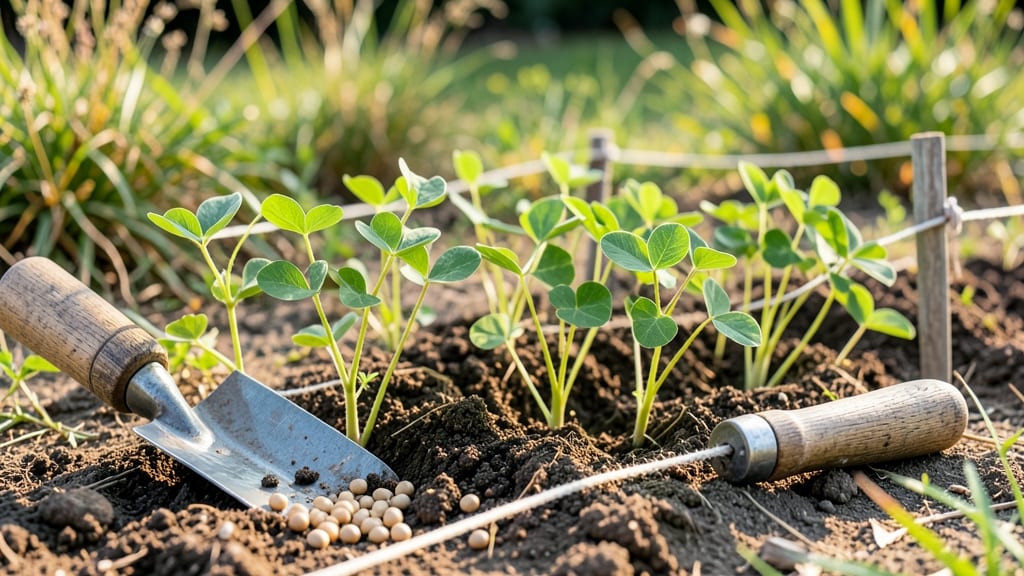
Planting alfalfa at the wrong time in Michigan can mean the difference between a thriving 🌱 crop and wasted seeds. The key is understanding your local frost dates and soil conditions—because even a late frost can turn your early planting into a costly mistake.
Most Michigan growers in zones 5b-6b should aim for early spring planting between March and April, once the soil reaches 60-75°F. But if you miss that window, late summer planting in August can still work with the right preparation.
The secret lies in checking soil temperatures and adjusting for your specific region.
I’ve helped Michigan farmers optimize their planting schedules, and what I’ve learned is that timing isn’t just about the calendar—it’s about reading your soil and climate.
Whether you’re a small-scale grower or managing a larger field, these insights will help you avoid common pitfalls and set your alfalfa up for success.
Let’s break down exactly when to plant, how to prep your soil, and what to watch for after those seeds hit the ground. Your second-year harvest depends on getting this right.
Michigan’s ideal alfalfa planting window by frost-free Zone
Alfalfa thrives in Michigan’s USDA zones 4-6, but the frost-free window determines your planting success. In northern Michigan (Zone 4), aim for late April to early May after the last frost, while southern Michigan (Zone 6) can start as early as mid-March.
These dates align with soil temperatures reaching 60-75°F, critical for germination.
Michigan’s last-frost dates vary wildly—some areas see frost in May, while others escape by mid-April. Check NOAA’s Local Climate Data or your county’s Michigan State University Extension reports for precise timing. Planting too soon risks seed rot, while delaying past May 15 may reduce first-year growth.
For early spring planting, use black plastic mulch to warm soil faster and protect seedlings. In northern Michigan, consider row covers if frost lingers. Southern Michigan growers can also try late-summer planting (August) for a fall harvest, though yields may be lower.
🌱 Michigan Alfalfa Planting Timeline by Zone
| Zone | Last Frost Date | Ideal Planting Window | Soil Temp Goal |
|---|---|---|---|
| 4 (Upper Peninsula) | May 10-20 | Late April - Early May | 60-75°F |
| 5 (Northern Lower) | April 25 - May 5 | Mid-April - Early May | 60-75°F |
| 6 (Southern) | April 10-20 | Mid-March - Early April | 60-75°F |
Note: Adjust for microclimates (e.g., lakeside areas stay cooler longer). Use seedling trays if planting early.
Alfalfa seeds germinate best when soil stays consistently 60°F+ for 5+ days. In Zone 4, wait until May 1 unless you’re using a cold-hardy variety like ‘Moapa’ or ‘Lahontan’. Test soil with a soil thermometer—if it’s below 55°F, delay planting.
For fall planting, limit attempts to southern Michigan (Zone 6) and sow by August 15. Seeds need 6-8 weeks to establish roots before frost. Northern regions should avoid fall planting due to early snow risks.
Pro tip: Plant alfalfa with a legume mix (e.g., clover) to improve nitrogen fixation. Space seeds 8-12 inches apart in rows 18 inches apart for optimal airflow. Use a seed drill for precision, especially on larger plots.
If you miss the spring window, don’t panic—late May plantings still yield 60-70% of normal harvests in Michigan. Just expect a smaller first-year stand and focus on soil health for next year’s growth.
Always monitor weather forecasts the week before planting. A 5-day frost warning means delaying until temperatures stabilize. Use row covers if frost threatens after germination.
For organic growers, add composted manure 2 weeks before planting to boost soil fertility. Alfalfa is nitrogen-fixing, so avoid over-fertilizing—too much nitrogen reduces its symbiotic bacteria.
Soil temperature & moisture checklist for alfalfa germination
Alfalfa seeds need consistent soil temperatures between 60-75°F to germinate properly. In Michigan’s USDA zones 4-6, this often means waiting until late April or early May in northern regions, while southern areas can start as early as mid-March.
Cold soil (below 55°F) slows germination and increases the risk of seed rot or fungal diseases.
Use a soil thermometer to check temperatures at 4-inch depth—this is where alfalfa roots will first establish. Test for 3 consecutive days at the same time (morning is best) to confirm stability. If temperatures fluctuate more than 10°F daily, delay planting until conditions stabilize.
Moisture is just as critical as temperature. Alfalfa seeds require consistent moisture but hate waterlogged soil. Aim for 1-1.5 inches of water per week during germination, keeping the top 2 inches of soil damp. Overwatering can suffocate seeds, while drought stress causes poor root development.
⚠️ Common Planting Mistakes & Fixes
- Cold soil (<55°F): Delay planting or use black plastic mulch to warm soil faster.
- Waterlogged soil: Improve drainage with sand or compost before planting.
- Dry soil: Water deeply 24 hours before planting to ensure moisture.
- Late planting (after May 15): Expect reduced first-year growth but focus on soil health.
Pro tip: Mix alfalfa seeds with sand for even distribution and avoid clumping.
For organic growers, add compost or well-rotted manure 2 weeks before planting to improve soil structure and moisture retention. Alfalfa thrives in well-drained, slightly alkaline soil (pH 6.5-7.5). Test your soil’s pH with a home test kit—if it’s too acidic, amend with lime 3 months before planting.
After sowing, use a light mulch (straw or grass clippings) to retain moisture without smothering seedlings. Avoid heavy mulch, which can trap heat and cause seedling rot. Water gently with a fine spray nozzle to prevent soil erosion and keep seeds in place.
Monitor seedlings for yellowing leaves, which may indicate overwatering or nutrient deficiency. If you notice blackened stems, reduce watering immediately—alfalfa is surprisingly drought-tolerant once established. Adjust your irrigation schedule based on weekly rainfall and soil moisture checks.
Remember: Patience is key. Alfalfa germination can take 7-21 days depending on soil conditions. Thin seedlings to 8-12 inches apart once they reach 3-4 inches tall to prevent competition. This ensures stronger, healthier plants ready for your second-year harvest.