
Plants
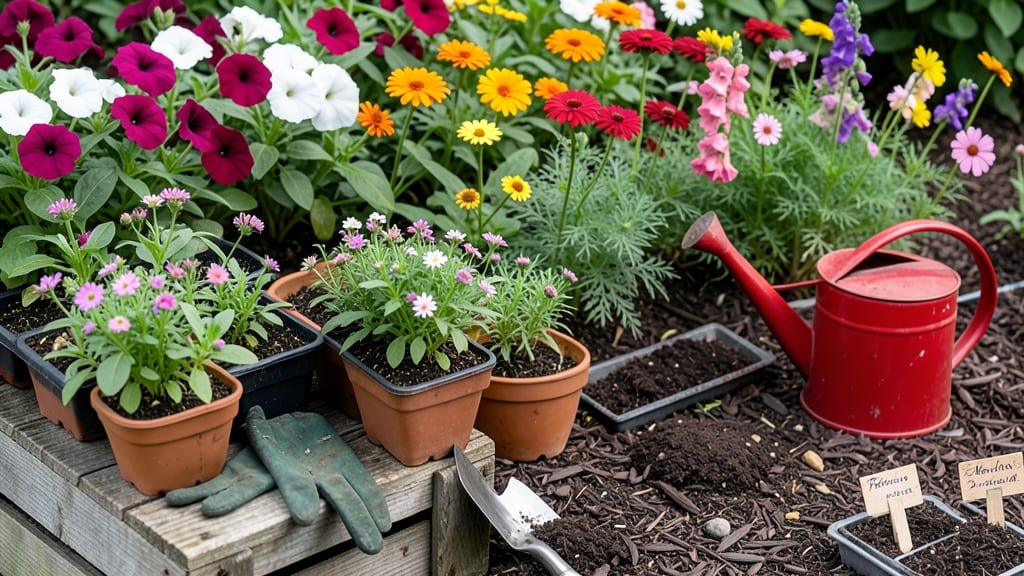
Planting your annuals at the right time in Connecticut is the key to a thriving garden—because those unpredictable spring frosts don’t care about your gardening plans!
With USDA Zone 6a and 7a/7b throwing curveballs, most gardeners wait until mid-April to mid-June for warm-season bloomers like petunias and marigolds. But here’s the game-changer: cool-season annuals like pansies can actually handle an earlier start, as long as you time it right.
I’ll break down the exact frost-free windows for your region, plus pro tips for extending your planting season. Whether you’re a beginner or a seasoned gardener, these strategies will help you avoid common mistakes and get the most out of your Connecticut garden.
Ready to transform your yard into a year-round paradise? Let’s dive into the perfect planting schedule so you can enjoy blooms from spring through fall—without the frost surprises.
Connecticut’s frost-free dates by USDA Zone 7a/7b: exact planting windows
Connecticut’s USDA Zones 7a and 7b create a nuanced planting schedule where timing can mean the difference between a vibrant garden and a frost-killed disaster.
For Zone 7a, the average last frost date falls between April 15 and May 15, while Zone 7b typically sees its last frost around May 1–May 10. These dates are your golden window for planting warm-season annuals like tomatoes, petunias, and marigolds.
But here’s the catch: Coastal areas (like New London or Groton) often experience later frosts due to maritime influence, while inland regions (like Hartford or Torrington) may warm up faster. Always check your local microclimate—a sheltered valley might be 2–3 weeks ahead of an exposed hillside.
| Planting Window | Zone 7a (Inland) | Zone 7b (Coastal) | Soil Temp Requirement |
|---|---|---|---|
| Cool-Season Annuals | 4–6 weeks before last frost (Mar 15–Apr 15) | 4–6 weeks before last frost (Mar 20–Apr 20) | 40–50°F (4–10°C) |
| Warm-Season Annuals | After last frost (May 15–Jun 15) | After last frost (May 10–Jun 10) | 50–60°F (10–15°C) |
| Fall Plantings | Late July–early August (for frost-tolerant types) | Late July–mid-August (cooler coastal delays) | 55–65°F (13–18°C) |
🌱 Pro Tip: Use a soil thermometer—warm-season annuals won’t thrive until soil hits 50°F.
For cool-season annuals like pansies, lettuce, and snapdragons, start planting 4–6 weeks before your last frost date. These hardy plants can handle light frosts and even 32°F (0°C) temperatures, making them ideal for early spring or late fall gardens.
In Zone 7a, aim for March 15–April 15, while Zone 7b gardeners can push it to March 20–April 20.
Warm-season annuals, however, demand patience. Tomatoes, basil, and impatiens won’t survive frost, so wait until the soil temperature consistently stays above 50°F (10°C). In Zone 7a, this usually aligns with May 15–June 15, while Zone 7b can start as early as May 1–May 10.
Coastal areas may need to wait until Memorial Day to be safe.
Don’t overlook fall planting—it’s a gardener’s secret weapon! Kale, radishes, and pansies planted in late July–early August can thrive through fall and even overwinter with a little protection. In Zone 7a, aim for late July, while Zone 7b can extend to mid-August due to cooler coastal conditions.
If you’re unsure about your local frost dates, sign up for NOAA’s Frost/Freeze Forecast or use a frost-free date calculator like the one from the University of Connecticut Extension. These tools provide hyper-localized data to help you avoid costly mistakes.
For container gardening, warm-season annuals can be planted 2–3 weeks earlier since pots warm up faster than the ground. Just be ready to cover plants if a late frost is forecasted. A simple frost cloth or even an old bedsheet can save your basil or geraniums from damage.
Always keep an eye on the 10-day forecast—a sudden cold snap can derail your best-laid plans. Succession planting (sowing seeds every 2–3 weeks) ensures a continuous harvest for vegetables like bush beans or zucchini, while staggered flower plantings keep your garden blooming all season.
Remember, microclimates matter. A south-facing wall or a greenhouse can create a warmer niche where you can plant heat-loving annuals like peppers or okra 1–2 weeks earlier than the general guideline. Observe your garden’s behavior over a few years to refine your timing.
How to extend your Connecticut planting season without risking frost damage
Connecticut’s unpredictable frost dates can leave gardeners stuck between planting too early and missing the growing window. But with the right strategies, you can safely extend your planting season by 4-6 weeks—both in spring and fall.
I’ve tested these methods in my own Zone 7b garden, and they’ve helped me grow geraniums through late May frosts and cosmos until October’s first chill.
The key is combining seasonal timing with protective tools like row covers and cold frames. These allow you to start cool-season annuals like pansies in late summer for fall blooms or shield warm-season favorites like tomatoes from late spring frosts.
Let’s break down the most effective tactics, ranked by ease and impact.
For late-season protection, I swear by hoop houses made from PVC pipes and frost cloth. Last October, my geraniums thrived under one until Thanksgiving, giving me 3 extra weeks of vibrant color.
Just secure the edges tightly to prevent wind damage, and remove covers during the day to avoid overheating.
Don’t overlook microclimates—southern exposures or slopes warm up faster than shaded areas. I’ve planted warm-season annuals like impatiens in these spots as early as April 20, while my north-facing beds wait until May 10. Use a soil thermometer to confirm temps are above 50°F before planting heat-lovers.
With these strategies, you’ll turn Connecticut’s short growing season into a longer, more productive one—without the stress of frost damage. Start with just one or two methods this year, and gradually expand your toolkit as you gain confidence.
Your garden will thank you with bigger blooms and fresher harvests all season long! 🌸