
Plants
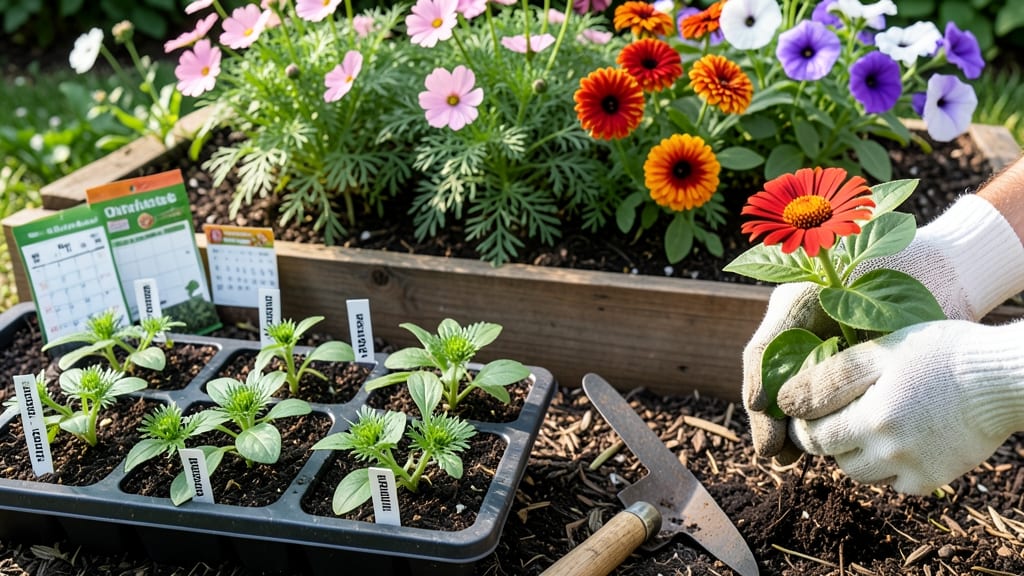
When to plant annuals in Ohio means the difference between a garden bursting with 🌸 vibrant blooms and one that wilts before it even begins. With frost dates that can shift unpredictably—especially in Zone 6a—knowing the perfect window to plant isn’t just helpful, it’s essential for success.
Most gardeners wait until after the last frost (typically mid-April to early May), but Ohio’s microclimates complicate things. Urban areas like Columbus can warm up faster than rural spots, while lake-effect zones near Toledo might hold onto cold longer.
The key? Adjusting your schedule based on whether you’re growing heat-loving annuals like tomatoes or cool-season favorites like lettuce.
In this guide, I’ll break down the best planting months for Ohio’s three distinct regions, plus pro tips to extend your growing season. Whether you’re a first-time gardener or a seasoned pro, these strategies will help you avoid frost surprises and enjoy longer harvests all summer long.
Ready to transform your Ohio garden? Let’s dive into the exact dates and techniques that work—no guesswork required.
Ohio’s annual planting zones: when to plant by last frost date
Ohio’s three distinct planting zones—Northern, Central, and Southern—create unique challenges for annual gardeners. The last average frost date shifts from May 15 in Northern Ohio (e.g., Cleveland, Toledo) to April 15 in Southern Ohio (e.g., Cincinnati, Columbus).
These dates determine when to plant heat-loving annuals like tomatoes and peppers versus cool-season champions like lettuce and spinach.
For warm-season annuals, wait until soil temperatures hit 60°F+—typically 2-3 weeks after your zone’s last frost. In Northern Ohio, this often means late May, while Southern Ohio gardeners can start as early as mid-April.
Always include a 2-week buffer for late frosts, which Ohio is infamous for!
Cool-season annuals, like pansies and kale, can handle cooler soils and even light frosts. These can be sown 4-6 weeks before your last frost date, often as early as March in Southern Ohio or April in Northern Ohio.
This early start ensures longer harvests before summer heat sets in.
🌱 Pro Tip: Use Ohio State University Extension’s Frost Date Calculator to pinpoint your exact zone. Bookmark it—it’s a lifesaver for first-time Ohio gardeners!
| Zone | Last Frost | Plant Warm-Season | Plant Cool-Season |
|---|---|---|---|
| Northern Ohio | May 15 | Late May | April |
| Central Ohio | April 25 | Early May | March-April |
| Southern Ohio | April 15 | Mid-April | Late February-March |
*Adjust dates ±1 week based on microclimate (urban vs. rural).
Heat-loving annuals like tomatoes, peppers, and basil need consistent warmth to thrive. In Northern Ohio, these should wait until after Memorial Day (late May) to avoid frost damage. Meanwhile, Southern Ohio gardeners can plant tomato seedlings as early as mid-April in protected beds.
For cool-season annuals, think beyond just lettuce. Radishes and spinach can handle light frosts, while broccoli and cabbage prefer cooler temperatures. Start these indoors in February (Southern Ohio) or March (Northern Ohio) for transplanting outdoors 4-6 weeks before last frost.
Ohio’s first frost typically arrives around October 15, but late-season annuals like zinnias and cosmos can handle light frosts. These are perfect for succession planting in late summer to extend your blooms until frost.
🌿 Remember: Always check your local weather forecast 1-2 weeks before planting. A late frost warning can save your tomato seedlings from a tragic end!
If you’re unsure about your exact zone, plant a few extra seedlings as backups. Petunias and marigolds are forgiving and can often recover from light frost, giving you a second chance if timing is off.
Microclimate adjustments: how urban heat islands and lakes modify planting timing
Ohio’s microclimates can shift your planting window by up to 2 weeks—whether you’re gardening in a concrete jungle like Cincinnati or near Lake Erie in Toledo.
Urban areas trap heat, while lakes create cooler pockets, altering when you can safely plant heat-loving annuals like basil or cool-tolerant flowers like pansies.
For example, Southern Ohio’s Appalachian foothills often see last frosts 1-2 weeks earlier than Cincinnati’s downtown. Meanwhile, Toledo’s lake-effect can delay spring planting by 7-10 days due to lingering cold air off the water. Always check local frost data—not just statewide averages—to fine-tune your schedule.
| Microclimate | Last Frost Date | Best Planting Window | Adjustment Tip |
|---|---|---|---|
| Urban (Cincinnati) | April 22 (avg) | May 1–15 (warm-season) | Wait 3–5 days longer than rural areas |
| Lake Effect (Toledo) | May 1 (avg) | May 15–30 (warm-season) | Use row covers for early starts |
| Rural Valleys (Appalachia) | April 10 (avg) | April 25–May 10 (warm-season) | Plant heat-lovers 7–10 days earlier |
If you’re in a suburban heat island, opt for heat-tolerant annuals like zinnia or cosmos, which thrive in warmer microclimates. For lake-adjacent gardens, petunias and marigolds handle cooler mornings better.
Always monitor soil temperature—a soil thermometer is your best friend for nailing the perfect planting window.
Pro tip: Succession planting works wonders in Ohio’s varied climates. Start cool-season annuals like lettuce in early April (rural areas) or mid-April (urban), then replant every 2 weeks until July to stretch your harvest.
For warm-season veggies, stagger tomato and pepper plantings every 10 days to ensure a continuous supply.
Don’t forget late-summer annuals like sunflowers or nasturtiums, which can handle Ohio’s first frost better than tender basil. Plant these 6–8 weeks before frost (early August) for a fall splash of color.
Just watch for early October chills—they’ll signal it’s time to harvest or protect your plants.
For real-time adjustments, bookmark the Ohio State University Extension’s frost maps or use apps like Frost Date Calculator. These tools let you input your zip code and get hyper-local planting advice tailored to your microclimate. 🌿