
Plants
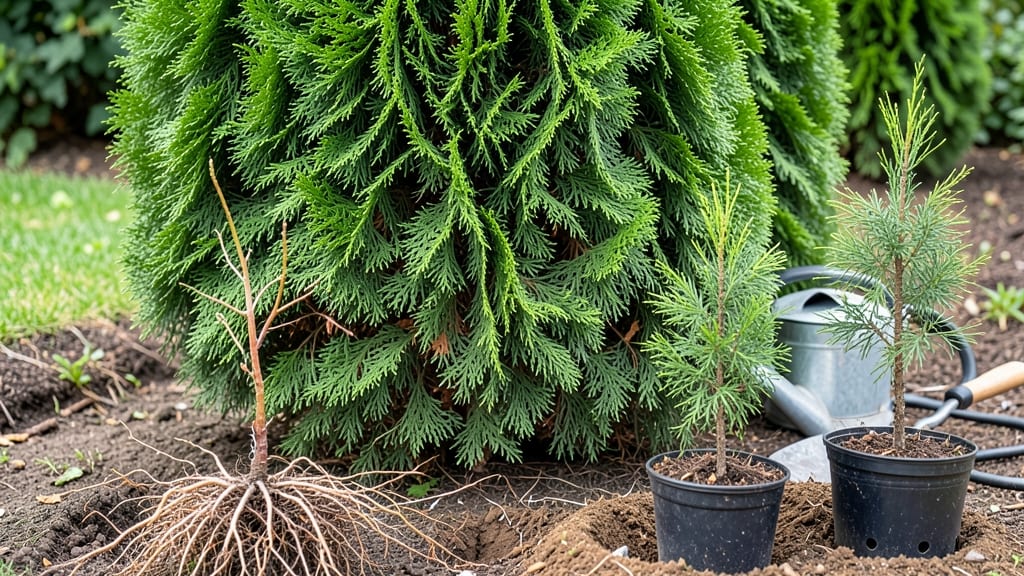
Planting your 🌲 arborvitae at the wrong time in Ohio could mean struggling with frost damage or slow growth—but getting the timing right guarantees a lush, thriving evergreen for years to come.
With Ohio’s USDA Zone 6a climate and unpredictable frost dates, knowing when to plant makes all the difference between a healthy hedge and a high-maintenance headache.
Most gardeners in Ohio aim to plant arborvitae between early spring (March) and early fall (October), but the exact window depends on your microclimate.
Northern Ohio’s cooler springs mean you’ll want to wait until after the last frost (typically mid-April), while southern Ohio’s warmer zones may allow for earlier planting. Let’s break down the best strategies to avoid common pitfalls.
Whether you’re working with bare-root or container-grown plants, the key is soil temperature and moisture—not just the calendar.
I’ll show you how to test your soil’s readiness and adjust your planting schedule based on Ohio’s heat zones, so you can confidently choose the perfect time for your 🌲 arborvitae to take root.
Ready to skip the guesswork? Discover the exact frost-free window for your Ohio location, plus pro tips for preparing your soil and selecting the hardiest varieties. Your future evergreen hedge starts with the right timing.
Ohio’s arborvitae planting window by hardiness Zone: exact months & frost risks
Ohio’s USDA Zones 5-7 create a tricky balance for planting arborvitae. The last frost date typically lands between April 1-15, but microclimates—like Toledo’s slightly warmer pockets or Appalachian Ohio’s chillier valleys—can shift this by weeks.
Planting too early risks frost damage, while waiting too long may stunt root growth before winter dormancy.
For best results, aim to plant 4-6 weeks before your local last frost date. This gives roots time to establish before summer heat or winter cold stress sets in.
In northern Ohio (Zone 5), that means early April to mid-May, while southern Ohio (Zone 6-7) can stretch into late May without risk.
Fall planting is also viable if you act early. September to early October works for Ohio’s frost-free window, but avoid planting after mid-October—new roots won’t harden before winter. Use a soil thermometer to confirm ground temps are above 40°F (4°C) at 4” depth.
🌱 Ohio Arborvitae Planting Calendar by Zone
| Zone | Ideal Planting Window | Last Frost Date | Soil Temp Threshold | Risk if Planted Late |
|---|---|---|---|---|
| 5 (Northern OH) | Early April–Mid-May | April 15 | 45°F (7°C) | Root shock from summer heat |
| 6 (Central OH) | Late March–Late May | April 1 | 50°F (10°C) | Stunted growth before winter |
| 7 (Southern OH) | Early April–June 1 | March 20 | 55°F (13°C) | Pests thrive in warm soil |
⚠️ Pro Tip: Use container-grown arborvitae if planting in late spring—they establish faster than bare-root.
Ohio’s unpredictable weather means even the best-laid plans can go awry. If you’re planting in late April or May, monitor forecasts for late frosts. A frost cloth or mulch blanket can protect young trees if temps dip below 28°F (-2°C).
For fall planting, aim to finish by September 30 to avoid winter stress.
Microclimates play a huge role. Urban areas like Columbus may warm up faster, while rural or elevated sites (e.g., near Cleveland) stay colder longer. Check your local Cooperative Extension Service for hyper-local frost data—it’s worth the 10-minute call to save your investment.
For container-grown arborvitae, the window is slightly wider—you can plant up to June 1 in most of Ohio, as long as you water deeply every 3-4 days to offset transplant shock. Bare-root trees, however, must go in by May 15 to avoid drying out.
Soil temperature is the true deciding factor, not just air temps. Use a digital soil thermometer ($15 at garden centers) to check 4” below the surface.
If it’s below 50°F (10°C), wait—cold soil slows root growth by 50%. In northern Ohio, this often means delaying until mid-April.
If you’re in a transition zone (like Zone 5b/6a near Cincinnati), err on the side of earlier planting. These areas can swing between freezing nights and 80°F days in April, creating stress for young trees. A 2-3 inch layer of mulch helps regulate soil temps and retain moisture.
Remember: Arborvitae planted in Ohio’s ideal window—early spring or early fall—will outperform those planted at the edges. The first 30 days after planting are critical for root development, so don’t rush. Patience now means a lush, 10-foot hedge in 3 years instead of a struggling sapling.
Signs your Ohio soil is ready for arborvitae planting (and what to do if it’s not)
Ohio’s unpredictable frost dates and variable microclimates mean your soil might not be ready for arborvitae planting even if the calendar says spring. Before digging, check these three critical signs to avoid root shock or winter damage.
Start by testing soil temperature—it should reach at least 50°F (10°C) for 2-3 inches deep.
Use a soil thermometer to measure temperature in the morning. If it’s below 45°F (7°C), wait at least 1-2 weeks—cold soil slows root growth. In northern Ohio, this often means delaying until late April, while southern Ohio may see ready soil by mid-March.
Pro tip: Container-grown arborvitae can tolerate slightly cooler soil than bare-root plants.
Next, assess moisture levels. Stick your finger 4-6 inches deep—if the soil feels dry and crumbly, water thoroughly 24 hours before planting. Overly soggy soil is just as bad; arborvitae roots need well-draining soil to prevent root rot.
In Ohio’s clay-heavy regions (like Columbus), amend with compost or sand to improve drainage.
🌱 Visual Element: Callout-Warning 🌱
⚠️ Warning: Planting Too Early
Cold soil + frost risk = stunted roots and winterkill. If you plant before April 15 in northern Ohio, protect young roots with mulch (3-4 inches) and a burlap wrap for the first winter. Southern Ohio can plant 2-3 weeks earlier but still monitor forecasts.
Don’t overlook drainage tests. Dig a 6-inch hole where you’ll plant and fill it with water. If it drains in less than 1 hour, your soil is too sandy—mix in peat moss.
If water pools after 6+ hours, add perlite or coarse sand. Ohio’s Toledo area often needs drainage adjustments due to heavy clay, while Cincinnati’s limestone soil drains quickly.
If your soil isn’t ready, choose cold-hardy varieties like ‘Emerald Green’ or ‘American Arborvitae’, which establish faster in cool conditions. For bare-root plants, soak roots in water + rooting hormone for 1-2 hours before planting to jumpstart growth.
Container-grown trees adapt better to late spring planting (May), but mulch heavily to retain moisture.
Finally, time planting for overcast days or early evening to reduce transplant shock. Water deeply after planting (5-10 gallons per tree) and keep soil consistently moist for the first 30 days.
Ohio’s summer heat can dry soil quickly, so mulch with wood chips to lock in moisture—this is especially critical in Zone 6a areas like Youngstown.