
Plants
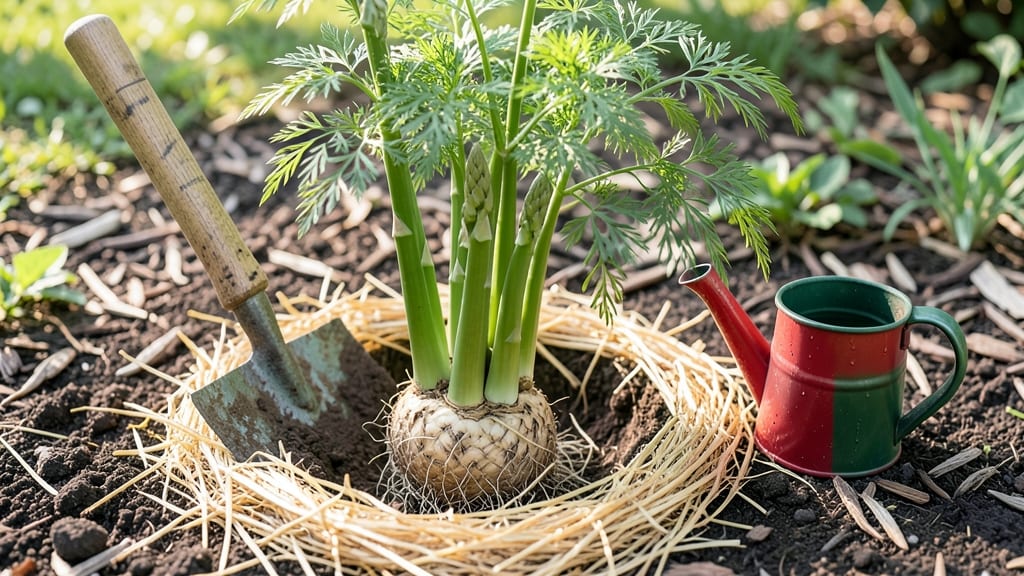
Planting asparagus in Zone 8 at the wrong time can mean wasted effort—or worse, frost-damaged crowns before they even take root. The sweet spot for success isn’t just about dates, though; it’s about pairing the perfect window with soil prep that sets your crop up for years of harvests.
Most Zone 8 gardeners rush to plant too early, risking cold snaps that stunt growth, or wait too long, missing the ideal late winter to early spring window when soil temperatures rise just enough.
But here’s the secret: the right timing plus a few soil tweaks can turn your asparagus bed into a perennial powerhouse—no more guessing games.
In this guide, I’ll walk you through the exact planting window for Zone 8, including how to adjust for microclimates, and the soil prep checklist that’ll keep your asparagus thriving. We’ll also cover the 3 biggest mistakes that kill harvests before they start—and how to avoid them.
Ready to grow asparagus that’s ready to harvest in just 3-4 years? Let’s get started with the timing and techniques that actually work for your zone.

Optimal planting windows for asparagus in Zone 8 (with frost-date adjustments)
In Zone 8, your asparagus planting window hinges on two critical factors: frost dates and soil temperatures. Unlike cooler zones, Zone 8’s 10°F-30°F range means you can plant both in early spring and fall, but timing matters.
For crowns, aim for 60-70°F soil—typically February-March—while seeds need 50-60°F and can go in late winter.
Zone 8’s microclimates add complexity. Coastal areas (like San Diego) may have warmer winters, allowing January planting, while inland zones (like Austin) face colder snaps and should wait until March.
Always check your last frost date—typically Mid-December to Early January—to avoid frost damage to emerging shoots.
Fall planting is riskier in Zone 8 but possible if you plant 8-10 weeks before first frost (usually late August-September). Crowns need time to establish roots before winter dormancy. Seeds, however, are not recommended for fall—you’ll likely lose them to freeze-thaw cycles.
Pro tip: Use a soil thermometer to confirm readiness. Asparagus roots rot in cold, soggy soil, so wait until temperatures stabilize above 50°F for 3+ days. This often means delaying until mid-March in inland areas.
For coastal Zone 8 gardeners, leverage warmer microclimates by planting as early as January. Inland areas should wait until March to avoid late-winter frosts, which can blacken emerging shoots. If you’re unsure, use frost cloth for the first 2-3 weeks post-planting.
Zone 8’s long growing season (210+ frost-free days) is a harvest advantage. Planting in early spring lets roots establish before summer heat, while fall planting risks winter dieback. Stick to crowns in March for reliable yields.
Remember: Asparagus is a perennial—once established, it produces for 15+ years. Get the timing right now, and you’ll enjoy year-round harvests with minimal effort. Just don’t skip the soil prep—that’s where the real magic happens.
🌿
Soil preparation checklist for asparagus: the key to year-round harvests
Your asparagus won’t thrive in just any soil—it demands well-draining, nutrient-rich earth with a pH between 6.5-7.5. In Zone 8, where summers heat up fast, proper soil prep is the difference between 3-year harvests and failed crops.
Start by testing your soil’s pH; most Zone 8 gardens lean alkaline due to limestone bedrock, which asparagus hates.
To adjust pH, mix in sphagnum peat moss (1-2 inches) or elemental sulfur (1/4 cup per plant). For clay-heavy soils, amend with composted manure or sand to improve drainage.
Sandy soils? Add organic matter like leaf mold or well-rotted compost to retain moisture. Aim for a loamy texture—think crumbly, not compact.
Here’s your Zone 8 soil prep timeline for both spring and fall planting:
Dig trenches 12 inches wide and 6-8 inches deep—this gives asparagus roots room to spread. Mix in 2 inches of compost at the bottom, then place crowns 2 inches deep (roots downward) with 12-18 inches between plants.
In Zone 8’s heat, mulch immediately with 3-4 inches of straw to lock in moisture and suppress weeds.
For sandy soils, add hydrated lime to raise pH slightly, while clay soils benefit from gypsum to break up compaction. Avoid fresh manure—it burns roots. Instead, use aged compost or worm castings for gentle nutrition. Your goal? Soil that’s fertile, loose, and slightly acidic.
One Zone 8-specific trick: Plant asparagus near companion plants like tomatoes or basil to improve soil structure naturally. Just avoid competitive roots like corn or potatoes. With the right soil, your asparagus will establish faster and produce longer—up to 15+ years.
💧