
Plants
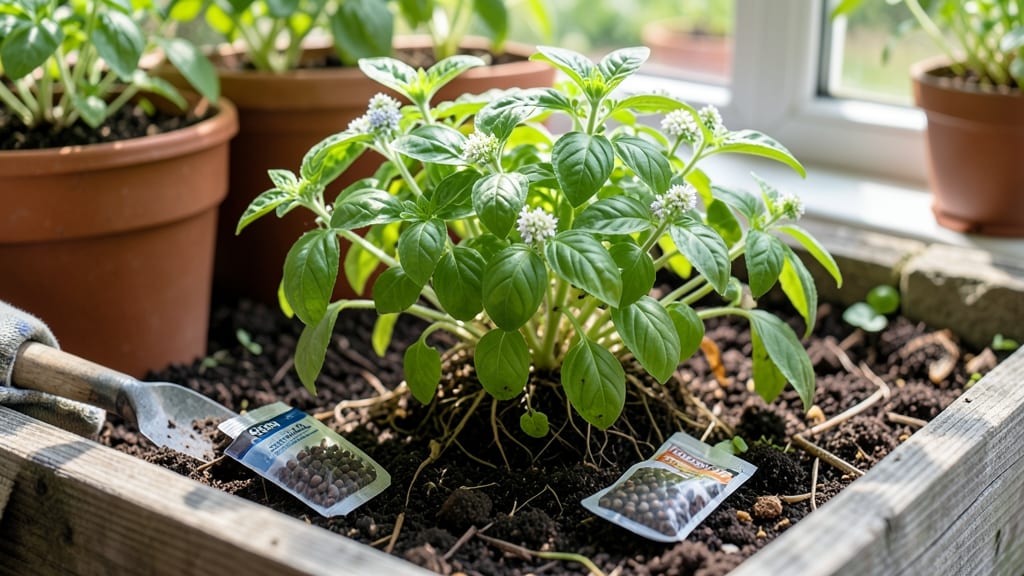
Planting basil in Oklahoma isn’t just about grabbing seeds and sticking them in the ground—it’s about timing it right to avoid the brutal summer heat or late spring frosts that can wipe out your crop before it even starts.
The key is knowing those heat zone deadlines that separate success from disappointment, especially when you’re working with USDA zones 6a-8a where weather shifts faster than you can say "pesto."
Most gardeners in Oklahoma swear by mid-April to late May for spring planting, once the soil warms to at least 60°F and the last frost date has passed (usually around March 15 in central Oklahoma).
But if you miss that window, don’t panic—there’s a second chance in late July to early August for a fall harvest, just as the summer heat starts to ease. The trick is avoiding those 100°F+ afternoons that can turn your basil into a sad, wilted mess.
I’ve learned the hard way that Oklahoma’s microclimates—from the cooler hills of the Ozarks to the sweltering plains—mean your neighbor’s perfect timing might not work for you.
That’s why I’m breaking down exactly when to plant, whether you’re starting seeds indoors, transplanting seedlings, or even growing basil in containers to control the heat. Let’s get your 🌿 basil thriving without the guesswork.
By the end of this guide, you’ll know not just when to plant, but how to protect your basil from Oklahoma’s quirks—like clay soil that holds too much moisture or sudden heatwaves that send plants bolting before they’re ready. Ready to turn your garden into a basil powerhouse?
Oklahoma heat zones and basil planting deadlines by month
Oklahoma’s USDA zones 7a-8a mean your basil planting window hinges on two critical factors: last frost dates and soil temperature thresholds. In most of Oklahoma, the average last frost date falls between mid-March (southern OK) and late April (northern OK).
However, soil must reach 60°F+ for seeds to germinate properly—something that often lags behind air temperature. This mismatch is why timing is everything.
For seedlings or transplants, aim to plant 2-3 weeks after your last frost date when nighttime temperatures consistently stay above 55°F. This typically lands in mid-April to late May for central and northern Oklahoma.
In southern Oklahoma (zone 8a), you can start as early as early April, but always verify local frost data—Oklahoma’s unpredictable late frosts can still strike in May.
If you’re direct-sowing seeds, wait until soil temperatures hit 70°F+ (usually late May to early June) to avoid slow germination or damping-off disease. This is especially critical in clay-heavy Oklahoma soils, which retain cold longer.
For fall harvests, plant late July to early August to ensure a 60-day growth window before first frost (mid-November).
| Month | Zone 7a (Northern OK) | Zone 8a (Southern OK) | Key Consideration |
|---|---|---|---|
| March | Last frost risk (avoid planting) | Safe for early starts in zone 8a | Soil too cold (<50°F) |
| April | Start seeds indoors; transplant after April 15 | Direct sow after April 1 | Wait for soil >60°F |
| May | Peak transplant window (May 1-15) | Direct sow by May 10 | Late frosts possible |
| June | Direct sow only (soil >70°F) | Direct sow or transplant | Heat stress risk |
| July-August | Fall harvest window (late July) | Fall harvest window (early August) | Shade cloth recommended |
One common mistake in Oklahoma is rushing to plant basil seeds outdoors in April because air temperatures feel warm. But cold soil (below 60°F) delays germination by weeks, leaving your plants vulnerable to late spring frosts.
Instead, start seeds indoors 4-6 weeks before your last frost date or use seedling trays under grow lights to get a head start.
For container gardening, you gain flexibility—move pots to protected microclimates (like near south-facing walls) to extend the season by 2-3 weeks. In zone 7a (northern OK), this might mean planting in late May instead of April to avoid frost damage.
Conversely, zone 8a gardeners can often plant as early as March if using row covers or cold frames.
Basil’s heat tolerance is another Oklahoma-specific factor. While it thrives in 70-85°F conditions, prolonged heat above 90°F causes bolting (premature flowering) and bitter leaves. To combat this, use shade cloth (30-50%) during Oklahoma’s brutal summer afternoons (June-August) and harvest leaves aggressively to encourage bushier growth.
Remember: Oklahoma’s microclimates vary wildly—even within a 50-mile radius. Check your local cooperative extension service for hyper-local frost data, and consider planting a test row of fast-maturing varieties (like 'Genovese' or 'Spicy Globe') to gauge your exact last frost date each year.
Your basil’s success depends on it!
Finally, fall planting is your secret weapon for Oklahoma gardeners. By sowing seeds in late July, you’ll have 60 days of ideal growing weather before first frost (mid-November). This method avoids summer heat stress entirely and often yields sweeter, more flavorful leaves than spring-planted basil.
Oklahoma heat zones and basil planting deadlines by month
Oklahoma’s USDA zones 6a-8a create a unique challenge for basil growers—too early, and frost zaps your seedlings; too late, and summer heat sends them bolting. The golden window for planting basil in Oklahoma hinges on two critical factors: last frost dates and soil temperature thresholds of at least 60°F.
Most gardeners in central Oklahoma aim for mid-April to late May, while southern Oklahoma can start slightly earlier.
For spring planting, wait until after the average last frost date—typically March 15 in central Oklahoma but as early as February 28 in southern regions like Oklahoma City.
Northern Oklahoma (zone 6a) may need to push planting to late April to avoid late frosts. Use a soil thermometer to confirm temperatures are consistently above 60°F before planting.
🌱 Visual Guide: Oklahoma Basil Planting Deadlines
| Stage | Spring Planting Window | Fall Planting Window | Soil Temp Requirement |
|---|---|---|---|
| Direct Sowing | Mid-April to late May | Late July to early August | 60°F+ |
| Transplant Seedlings | Late April to mid-May | Early August to mid-September | 55°F+ |
| Indoor Start | Early March (8-10 weeks before last frost) | Late June (8-10 weeks before first frost) | 70°F+ (grow lights) |
| Container Planting | Early April to late May | Late July to early September | 50°F+ (move indoors if needed) |
If you miss the spring window, don’t despair—Oklahoma’s fall planting offers a second chance. Aim for late July to early August to give basil enough time to mature before the first frost (typically mid-November in central Oklahoma).
This timing avoids the 100°F+ heat that causes basil to bolt prematurely, while still allowing a harvest before winter sets in.
For container gardening, you can extend the season by moving pots indoors or to a sheltered location when nighttime temperatures drop below 55°F. This is especially useful for southern Oklahoma gardeners who can enjoy basil well into October or November with proper protection.
Just ensure containers have drainage holes to prevent waterlogged roots.
Pro tip: Use shade cloth (30-50%) during Oklahoma’s summer heatwaves to protect basil from bolting. Even a few hours of afternoon shade can make the difference between a thriving plant and a bitter, flowering mess.
Pair this with consistent watering (1 inch per week) and you’ll be harvesting fresh basil all season long.
Remember, Oklahoma’s microclimates mean your neighbor’s perfect timing might not work for you. Monitor local weather forecasts, use a soil thermometer, and don’t rush—patience is key to avoiding those 🌡️ frost bites or ☀️ heat stress that can ruin your crop.