
Plants
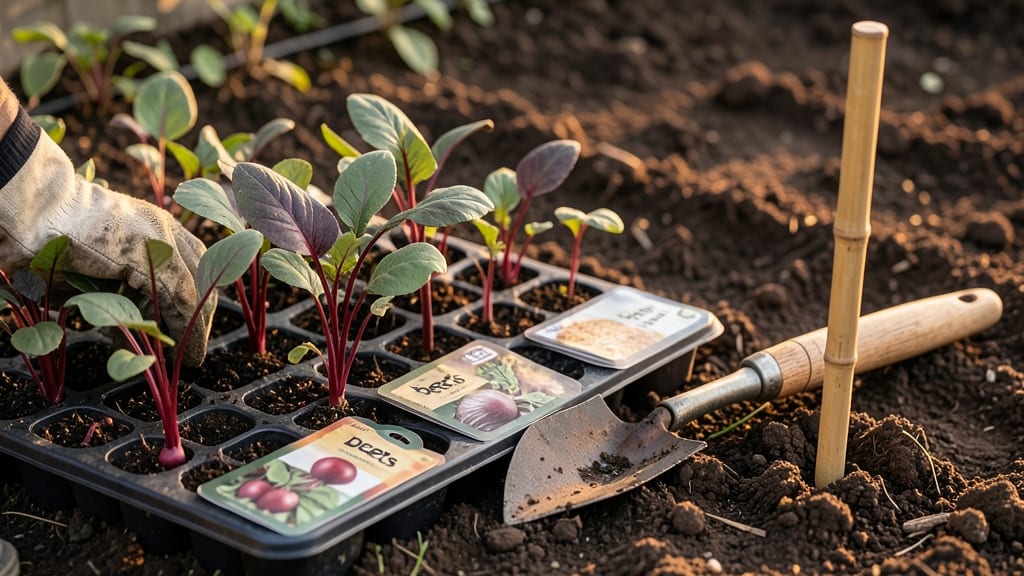
Timing your beet 🍠 planting in North Carolina can mean the difference between sweet, tender roots and bitter, woody failures—especially when you're just weeks away from the last frost. Plant too early, and a surprise freeze will turn your seedlings into sad, mushy memories.
Too late, and your beets bolt into flower stalks faster than you can say "garden regret."
Here’s the secret: North Carolina’s two planting windows—early spring and late summer—are your golden tickets to success. Whether you're in the cooler Piedmont or the warmer Coastal Plain, knowing the exact weeks before your last frost date is the key to avoiding bolting and maximizing your harvest.
I’ve grown beets across USDA Zones 6a-8b and learned the hard way that soil temperature matters just as much as calendar dates. Cold soil slows germination, while heat sends beets into premature flowering.
Let’s break down the precise timing, soil prep, and care tips to grow beets that stay sweet from May through November.
Ready to skip the guesswork? You’ll walk away with a planting schedule tailored to your zone, plus pro tricks to keep your beets thriving—no matter what North Carolina throws your way this season.
North Carolina’s ideal beet planting windows by month (with exact frost dates)
North Carolina’s mild winters and humid summers create two perfect windows for planting beets: early spring and late summer. Timing is critical—plant too early, and frost will damage tender seedlings; too late, and your beets will bolt (flower prematurely) or develop woody roots.
Here’s the exact schedule for USDA Zones 6a-8b, including frost dates and soil temperature requirements.
Beets thrive when soil temperatures reach 45°F and stay above 50°F consistently. In North Carolina, this typically aligns with late February to early March for spring plantings and mid-August to early September for fall harvests.
Coastal areas (Zone 8b) can start slightly earlier, while the Piedmont (Zone 7a) should wait until after the last frost.
Key frost dates for North Carolina:
- Last frost: March 15 (Zone 6a), March 1 (Zone 8b)
- First frost: November 1 (Zone 6a), November 15 (Zone 8b)
Use these dates to calculate your planting window—aim to harvest before temperatures rise above 80°F for more than a few days.
For spring plantings, sow seeds 4-6 weeks before your last frost date. In most of NC, this means mid-February to early March.
For fall plantings, start seeds 8-10 weeks before the first frost, which translates to late July to early August for transplanting or direct sowing.
🌱 Pro Tip: Use shade cloth or row covers to protect seedlings if planting near the last frost date. This buys you 2-3 extra weeks of growing time without risking frost damage.
📅 North Carolina Beet Planting Timeline
| Stage | Action | Zone 6a | Zone 7a | Zone 8b |
|---|---|---|---|---|
| Soil Prep | Work in compost, loosen soil | February | February-March | January-February |
| Spring Planting | Direct sow seeds | Mid-February | Late February | Early February |
| Last Frost | Protect seedlings if needed | March 15 | March 1 | February 28 |
| Thinning | Thin to 3-4" apart | April | March-April | March |
| Harvest Window | Ready to harvest | May-June | May-June | April-May |
| Fall Planting | Direct sow seeds | Late July | Early August | Mid-August |
| First Frost | Harvest before frost | November 1 | November 1 | November 15 |
⚠️ Note: Adjust for microclimates—valleys frost earlier, while slopes warm faster.
If you’re unsure about your exact frost dates, check the NC State Climate Office or use a frost calendar for your county. For example, Asheville (Zone 6a) has a later last frost (April 15) compared to Raleigh (Zone 7b), which averages March 20.
Plant accordingly to avoid bolting or frost damage.
For succession planting, sow new seeds every 2-3 weeks during the spring window to ensure a continuous harvest. In fall, aim for one final planting in late August to harvest before the first frost. This method extends your beet season by 4-6 weeks and reduces waste.
💧 Watering Tip: Keep soil consistently moist during germination (first 2 weeks). Dry soil causes uneven sprouting, while soggy soil invites root rot. Use a soaker hose to deliver water directly to the soil without disturbing seedlings.
Once your beets reach 1-2 inches in diameter, they’re ready for harvest. In North Carolina, this typically happens 60-70 days after sowing for spring plantings and 50-60 days for fall crops. Harvest in the morning when roots are cool and crisp for the best flavor and texture.
How to prevent bolting in NC’s heat: 5 proven strategies for long-lasting beet harvests
North Carolina’s summer heat can turn your sweet beets into bitter, woody disappointments if you’re not careful. Bolting—when beets prematurely flower and go to seed—happens when temperatures rise above 80°F (27°C) for prolonged periods.
The good news? With these 5 proven strategies, you can extend your harvest well into fall, even in the hottest months.
First, choose heat-tolerant varieties like ‘Detroit Dark Red’ or ‘Chioggia’. These varieties handle NC’s humidity and heat better than standard types. Pair them with succession planting—sow new seeds every 2-3 weeks from early spring through mid-summer to ensure a continuous harvest before bolting kicks in.
🌡️ 5 Proven Strategies to Prevent Bolting
- Shade cloth magic: Use 30-50% shade cloth during peak heat (11 AM–4 PM) to keep soil temps below 80°F (27°C). This buys you 4-6 extra weeks of harvest time.
- Deep watering: Water deeply 2x/week (early morning) to prevent stress. Dry soil triggers bolting faster than heat alone!
- Succession plant: Sow seeds every 2-3 weeks from March–July. This ensures fresh, non-bolting beets when older plants mature.
- Cool soil hacks: Mulch with straw or grass clippings (2–3 inches) to keep roots cool. Avoid plastic—it bakes soil!
- Harvest young: Pull beets when roots are 1–2 inches wide. Smaller = sweeter, and they bolt less easily than giants.
Pro tip: Monitor your soil temperature with a soil thermometer. If it hits 85°F (29°C) for more than a day, take action—shade, water, or harvest immediately. Beets are resilient, but they’ll thank you for the extra care during NC’s brutal summer afternoons.
For container growers, potted beets bolt even faster due to heat exposure. Move containers to shadier spots or elevate them on bricks to improve airflow. And remember: bolting isn’t always bad—if you love beet greens, let a few bolt for flavorful microgreens!
By combining these strategies, you’ll enjoy sweet, tender beets from May through October—no bitter surprises. Start with shade cloth this week if your garden is already heating up!