
Plants
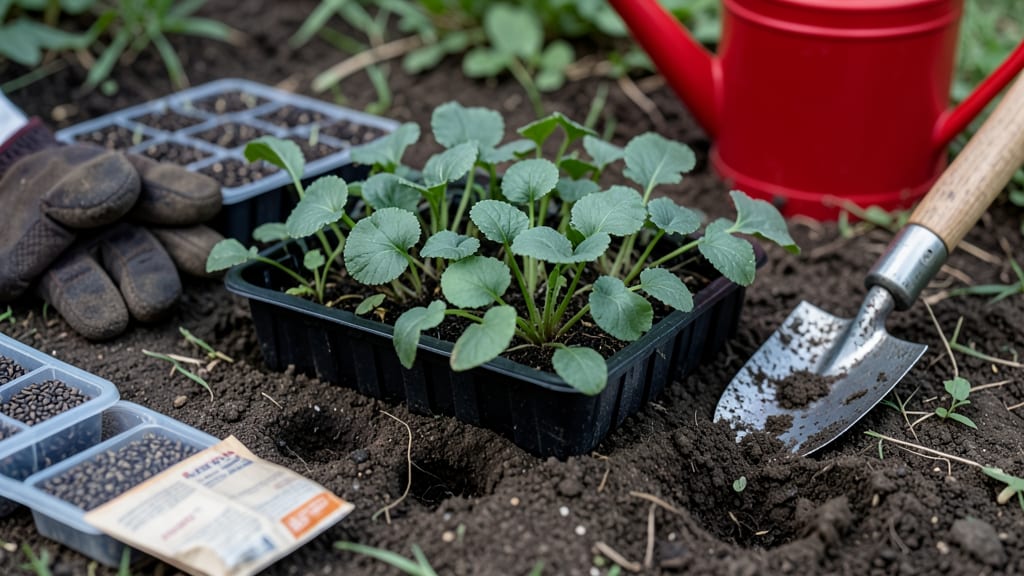
Planting beets in Zone 9’s warm climate isn’t just about timing—it’s about avoiding the sweltering heat that turns sweet roots into bitter disappointments. Unlike cooler zones, your 🍠 harvest thrives when you sidestep June’s scorching temperatures and focus on milder seasons.
The key? Start seeds in late summer or early spring, when soil stays cool enough to prevent bolting.
Most gardeners in 9b rush planting too early, only to watch their beets bolt before they can mature. I’ve learned the hard way that patience pays off—waiting until soil temps drop below 75°F makes all the difference.
Your goal? A harvest window that stretches from spring to early summer, when roots grow crisp and tender.
Here’s what you’ll discover: the exact weeks to plant for maximum yields, how to prep soil for Zone 9’s clay-heavy conditions, and which beet varieties handle heat best. No more guessing—just a foolproof schedule tailored to your microclimate.
Ready to grow beets that rival store-bought in flavor? Let’s dive into the perfect planting strategy for your Zone 9 garden, where timing isn’t just important—it’s everything.

Best planting windows for beets in Zone 9: avoid bolting and heat stress
Zone 9’s warm winters and long summers create a unique challenge for growing beets—they thrive in cooler temperatures but bolt when exposed to prolonged heat. The key is planting during mild seasons when daytime temps stay below 75°F (24°C).
Unlike cooler climates, Zone 9 gardeners must focus on fall, winter, and early spring windows to avoid stress.
Beets are cool-season crops, meaning they prefer temperatures between 50–70°F (10–21°C). In Zone 9, this translates to planting in late summer for fall harvests or winter for spring harvests.
The goal is to time your planting so beets mature before summer’s peak heat, which typically arrives in June or July.
Here’s the breakdown of your optimal planting windows in Zone 9, tailored to local microclimates like coastal areas (cooler) versus inland desert regions (hotter). Use these as your guide to avoid bolting or heat stress.
| Season | Planting Window (Zone 9) | Days to Harvest | Target Soil Temp | Microclimate Notes |
|---|---|---|---|---|
| Fall | Late August–September | 60–70 days | 60–70°F (15–21°C) | Coastal areas: Plant by mid-September for harvest before winter rains. Inland: Aim for late August to finish before heat returns. |
| Winter | November–January | 50–60 days | 55–65°F (13–18°C) | Ideal for spring harvests. Use row covers in cold snaps (below 40°F/4°C). Desert areas may need shade cloth in winter sun. |
| Spring | February–March | 60–70 days | 60–70°F (15–21°C) | Plant early spring (Feb) for harvest before summer heat. Avoid planting after April 15 in most of Zone 9. |
| Avoid | April–October | N/A | Above 75°F (24°C) | Beets bolt or develop woody roots in summer heat. Exception: Use shade cloth (30–50%) for late-spring plantings. |
🌱 Pro Tip: Check your local last frost date (even in Zone 9, some inland areas get light frosts). Plant beets 8–10 weeks before your average last frost for spring harvests.
For coastal Zone 9 (e.g., Southern California coast), you can extend your fall planting into early October thanks to milder winters. In contrast, inland desert regions (e.g., Phoenix, Las Vegas) should plant by mid-September to avoid heat stress. Always monitor soil temperatures—ideal planting soil should be 55–65°F (13–18°C).
If you’re unsure about your local microclimate, observe your garden’s behavior. For example, shade patterns change dramatically between coastal and desert areas. Use a soil thermometer ($10 at garden centers) to confirm temps before planting. Beets won’t germinate well in soil above 80°F (27°C), even in Zone 9.
Another critical factor is day length. Beets are sensitive to long daylight hours, which trigger bolting. In Zone 9, days exceed 12 hours of sunlight from May through August.
To work around this, plant heat-tolerant varieties like ‘Detroit Dark Red’ or ‘Golden’ and use shade cloth (30%) during peak afternoon sun.
For a continuous harvest, stagger plantings every 2–3 weeks starting in late August. This ensures you’re always pulling fresh beets while avoiding a single overwhelming harvest.
For example, plant 1 row in late August, another in mid-September, and a final row in early October for a 3-month harvest window.
Remember, Zone 9 beets are a marathon, not a sprint. The goal isn’t just to plant once but to create a sustained harvest schedule that aligns with your climate’s natural rhythms.
By following these windows, you’ll enjoy crisp, sweet roots from fall through spring—without the bitter, woody disappointment of summer-planted beets.
Best planting windows for beets in Zone 9: avoid bolting and heat stress
Zone 9’s warm winters and long summers create a unique challenge for beet growers. Unlike cooler climates, you can’t just plant in spring—beets bolt when days get too long or soil overheats.
My best harvests come from two key planting windows: late summer (August-September) for a fall harvest, and early spring (February-March) for summer roots.
The trick is timing seeds so they mature before day-length sensitivity triggers bolting. In Zone 9, aim for a 60-70 day growth cycle that avoids June’s extreme heat.
Coastal areas (like San Diego) can plant slightly earlier, while inland zones (like Phoenix) should wait until soil temps drop below 75°F.
| Season | Planting Window | Harvest Window | Key Notes |
|---|---|---|---|
| Late Summer | August 15–September 15 | October–November | Cooler soil temps prevent bolting |
| Early Spring | February 1–March 15 | April–June | Avoids summer heat stress |
| Winter (Coastal) | December–January | February–March | Mild winters allow growth |
For succession planting, sow new seeds every 2–3 weeks within these windows. This ensures a continuous harvest and reduces bolting risks. I’ve found that ‘Detroit Dark Red’ and ‘Golden’ varieties handle Zone 9’s heat better than others.
Soil temperature is your best indicator—use a soil thermometer to confirm readings below 75°F before planting. Clay-heavy soils in Zone 9 can trap heat, so amend with compost to improve drainage and moisture retention.
Pro tip: If you’re in a hot inland microclimate, try shade cloth (30–50%) during peak afternoon sun. This extends your planting window by 2–3 weeks without sacrificing growth.