
Plants
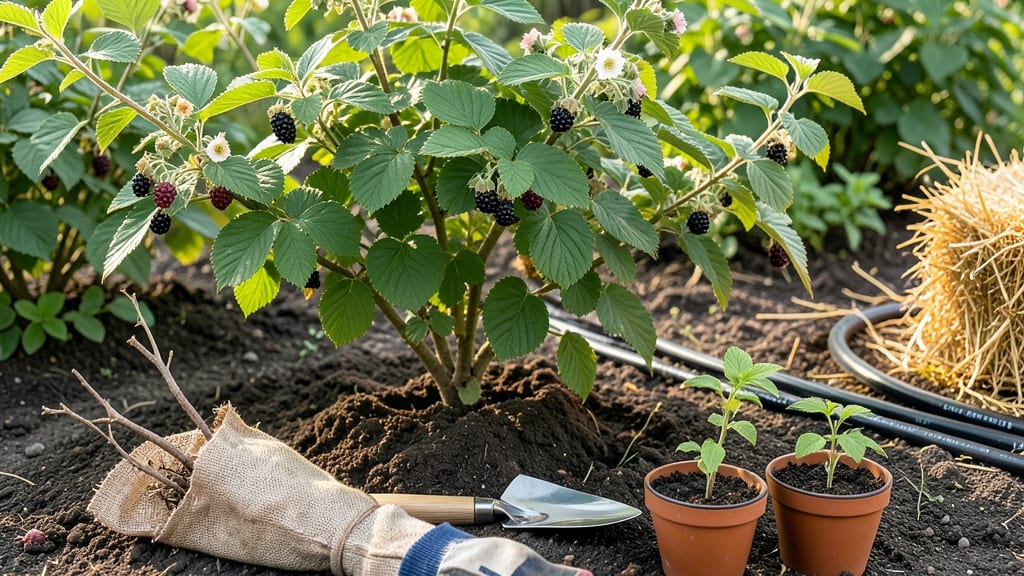
Planting blackberries in Central Texas at the wrong time can mean the difference between a thriving bush and one that never quite makes it past the first frost.
With the right timing—typically between late winter and early spring—you can give your 🫐 bushes the best shot at surviving the heat and producing bountiful harvests.
Central Texas gardeners know the stakes: the last frost usually lingers around March 15, and planting too early risks cold damage, while waiting too long means your blackberries might struggle to establish roots before summer hits.
The key is to plant when soil temperatures consistently stay above 50°F—usually in February or March—so your canes get a strong start.
I’ve learned the hard way that blackberries planted outside this window often wilt under Central Texas’s intense sun or fail to fruit properly. But when you time it right, you’ll see faster growth, stronger canes, and a harvest ready by late spring or early summer.
Let’s break down exactly how to nail the perfect planting schedule for your climate.
From soil prep to frost protection, we’ll cover every step to ensure your blackberries not only survive but thrive in zones 8a-9a. Whether you’re a first-time gardener or a seasoned pro, these tips will help you avoid common mistakes and set your bushes up for success.
Best planting windows for blackberries in Central Texas heat zones (8a-9a)
Central Texas’s USDA Zones 8a-9a create a tricky balance—hot summers and unpredictable frosts can ruin blackberry plants if you plant at the wrong time. The key is planting when soil temperatures are consistently above 60°F but before summer’s brutal heat peaks.
For most Central Texas gardeners, this means late winter to early spring, but let’s break it down by microclimate.
Your last average frost date is around March 15, but late frosts can linger into April. Planting too early risks frost damage to young canes, while waiting too late means your berries might struggle with summer heat stress.
The sweet spot? Aim for February through early April, with March being the absolute ideal month for most regions.
Here’s why timing matters: Blackberries need 6-8 weeks of warm soil to establish roots before summer’s heat arrives. If planted in November or December, young roots may freeze. But if you wait until May or June, your plants won’t have time to recover before the 100°F+ summers hit.
Pro tip: Check your local microclimate. Areas near hill country or elevated regions (like Austin’s west side) frost later than flatter zones (like College Station). Use the Texas A&M AgriLife Extension frost maps to fine-tune your schedule.
📅 Blackberry Planting Timeline for Central Texas
| Planting Window | Soil Temp | Frost Risk | Root Establishment |
|---|---|---|---|
| Late February | 55-60°F | Moderate (late frosts possible) | Slow (cold soil) |
| March (Ideal) | 60-70°F | Low (frost risk ends) | Optimal (warm soil) |
| Early April | 70-75°F | None | Fast (hot soil) |
| May (Risky) | 80°F+ | None | Stress from heat |
💡 Pro Tip: Use a soil thermometer to confirm temps before planting. Blackberries need 60°F+ soil to thrive.
If you miss the spring window, fall planting is a backup—but risky. Plant in October only if your soil stays above 55°F and you’re in a warmer microclimate (like San Antonio). Most Central Texas gardeners should skip fall planting to avoid winter dieback.
For container-grown blackberries, you’ve got a 2-week window longer than in-ground plants. Containers warm up faster, so you can plant up to mid-April without frost risk. Just ensure your pots have drainage holes and use lightweight potting mix to prevent overheating.
One common mistake? Planting bare-root canes too early. These need moist soil to prevent drying out. If you buy bare-root in winter, heel them in (bury temporarily) and plant when soil warms. Potted blackberries are easier for beginners—they’re already root-established and adapt faster to Central Texas’s alkaline soil.
Remember: Blackberries are perennial in Central Texas, meaning they’ll produce for 5+ years if planted correctly. Get the timing right now, and you’ll enjoy summer harvests with minimal effort afterward. Just don’t skip the mulch—it’s your best defense against both frost and summer drought.
Best planting windows for blackberries in Central Texas heat zones (8a-9a)
Central Texas’s USDA zones 8a-9a create a unique challenge for blackberry growers. The last frost typically hits around March 15, but soil temperatures need to stay above 50°F for successful root establishment.
Planting too early risks frost damage, while waiting too long delays growth. My best advice? Aim for late February to early April—this window balances frost risk and warm soil conditions.
Blackberries thrive when planted during cool but stable temperatures. In Central Texas, this usually means February or March, when daytime highs reach the 60s°F and nights stay above 40°F.
If you miss this window, you can try early April, but growth may slow as summer heat arrives. The key is to give your canes 6-8 weeks before peak summer to establish roots.
Here’s the golden rule: Plant when soil temps hit 55°F+ and frost risk drops below 10%. Use a soil thermometer to check—this tool is a game-changer for Central Texas gardeners.
I’ve seen blackberries planted in April struggle under the 100°F+ summers, while those planted in March produce 2x the yield the first year.
If you’re planting in February, prioritize cold-hardy varieties like 'Arapaho' or 'Navaho'. These can handle brief dips below freezing once established. For March plantings, focus on heat-tolerant types like 'Ouachita' or 'Apache', which thrive in Central Texas’s 100°F+ summers.
Pro tip: Soak bare-root canes in water for 2-3 hours before planting to reduce transplant shock.
Microclimates matter in Central Texas. If you’re in a warmer zone (9a), like Austin’s Hill Country, you can push planting to early April. But in cooler pockets (8a), like the Texas Hill Country’s higher elevations, stick to March.
Observe your local last frost date—check the National Weather Service or your local Cooperative Extension for precise data.
Timing isn’t just about the calendar—it’s about soil conditions. Loamy, well-draining soil warms faster than clay. Amend your soil with compost or aged manure 4-6 weeks before planting to improve warmth retention.
I’ve seen blackberries planted in amended soil grow 30% faster than in untreated ground. Mulch with straw or wood chips after planting to lock in moisture and regulate soil temperature.
Remember: Blackberries planted in Central Texas’s ideal window (March) will produce fruit by late May or June, while those planted in April may not fruit until July.
The earlier you plant, the sooner you’ll enjoy those juicy, sweet berries—and avoid the scorching summer heat that can stress young plants. 🫐