
Plants
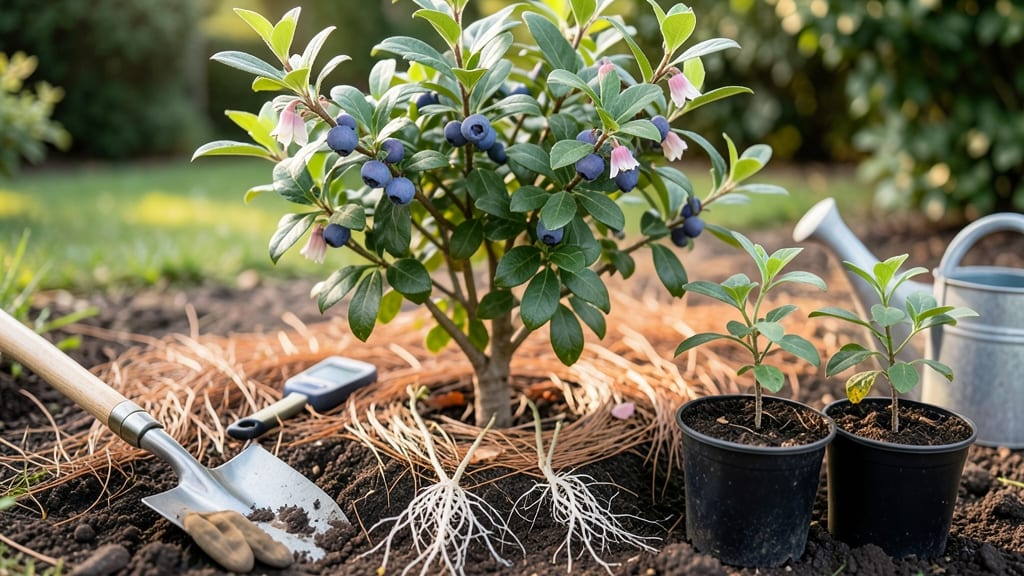
Planting your blueberries 🫐 at the wrong time in Zone 8b could mean the difference between a bountiful harvest and years of frustration. Unlike cooler climates, the mild winters here require careful timing to ensure your bushes get the chill hours they need to fruit properly.
Most gardeners in Zone 8b make the mistake of planting too late in spring, when temperatures rise too quickly. The ideal window is actually late winter to early spring—before buds break—so roots establish while the plant still benefits from cooler soil.
This timing also helps avoid late frosts, which can damage young plants.
In this guide, I’ll break down exactly when to plant for your specific variety, whether you’re working with Southern Highbush or Rabbiteye types. You’ll also learn how to prep your soil, choose the right location, and protect your bushes from Zone 8b’s unique climate challenges.
By the end, you’ll know not just when to plant, but how to set your blueberries up for years of sweet, plentiful harvests—without the guesswork.

Best planting time for blueberries in Zone 8b based on chill hours
In Zone 8b, where winters are mild and summers are hot, timing your blueberry planting correctly is crucial for success. Unlike colder zones, Zone 8b’s low chill hours (500-800) demand careful variety selection and precise planting windows to ensure your bushes produce fruit reliably.
Blueberries require chill hours—periods of dormancy below 45°F—to break dormancy and flower. In Zone 8b, we have fewer chill hours than northern zones, so Southern Highbush varieties (like 'Peach Sorbet') are your best bet.
Planting at the wrong time can lead to poor flowering or no fruit at all.
The ideal planting window for Zone 8b is late winter to early spring (February-March), just before buds swell but after the last frost risk. This timing allows roots to establish before summer heat arrives, while giving the plant enough chill hours to prepare for flowering.
Fall planting is also possible in Zone 8b, but it requires extra care. Plant 6-8 weeks before the first frost (typically by September 15) to give roots time to establish before winter. However, fall-planted bushes may need extra mulch to insulate roots from temperature swings.
Here’s why timing matters: Blueberries planted too early may sprout prematurely and get damaged by late frosts (common in Zone 8b until March 15). Planting too late risks poor root establishment before summer droughts hit.
Zone 8b Blueberry Planting Timeline
| Planting Stage | Action | Zone 8b Timing |
|---|---|---|
| Soil Prep | Test pH (4.5-5.5), amend with sulfur or peat | Fall (Sept-Oct) or Early Spring (Feb) |
| Planting | Dig hole, add compost, plant bare-root or potted | Late Winter (Feb-Mar) or Early Fall (Sept) |
| Watering | Deep water 1-2 gallons weekly | Spring-Summer (reduce fall/winter) |
| Mulching | 2-3 inches of pine bark or pine needles | After planting (spring/fall) |
| First Harvest | Berries ripen (blue/purple, plump) | Late Spring (May-June) |
For bare-root blueberries, plant as soon as they arrive in February-March while roots are still dormant. If you’re using container-grown plants, you have slightly more flexibility—plant them anytime the ground isn’t frozen, but avoid extreme heat (above 90°F).
Zone 8b’s microclimates also play a role. If you’re in a cooler pocket (like near water or elevation), you might have slightly more chill hours and can plant Northern Highbush varieties (like 'Bluecrop'). In hotter areas, stick to Southern Highbush or Rabbiteye types with 300-500 chill hours.
Pro tip: Monitor your local last frost date (typically March 15 in Zone 8b) and plant 2-3 weeks after to avoid frost damage. Use frost cloth if late frosts are forecasted during flowering (April).
Remember, blueberries are perennials, so getting the timing right now means decades of harvests with minimal effort. With the right variety and planting window, your Zone 8b blueberries can thrive—just don’t rush it! 🫐
Best planting time for blueberries in Zone 8b based on chill hours
Zone 8b’s mild winters mean chill hours (below 45°F) are critical for blueberry success. Most varieties need 300-500 chill hours, but some thrive with as few as 200-300 hours. Planting outside this window risks poor flowering and fruit production.
In Zone 8b, the ideal planting window spans from late winter to early spring, specifically February through March. This timing ensures roots establish before summer heat while avoiding late frosts that can damage new growth.
Southern Highbush varieties (like 'Peach Sorbet') adapt better to Zone 8b’s lower chill hours, while Rabbiteye types (e.g., 'Tifblue') may struggle unless you select low-chill cultivars. Fall planting is possible but riskier due to winter dieback.
🌱 Zone 8b Blueberry Planting Summary
| Season | Best Months | Chill Hours Needed | Key Consideration |
|---|---|---|---|
| Spring | Feb–Mar | 200–500 | Avoid late frosts (after Jan 15) |
| Fall | Oct–Nov | Same as variety | Risk of winter dieback; mulch heavily |
✅ Pro Tip: Test soil pH (4.5–5.5) before planting—blueberries are acid-loving!
For spring planting, aim for March when soil temperatures rise above 50°F. This timing aligns with natural dormancy breaking and ensures roots grow before summer heat. Avoid planting in April or later, as summer drought stress can stunt young bushes.
If you prefer fall planting, choose October or early November—but only if your last frost isn’t until November 15. Mulch with 4–6 inches of pine straw to protect roots from winter temperature swings. Monitor for winter desiccation, common in Zone 8b’s dry winters.
Remember: Chill hours aren’t just about cold—they’re about consistent dormancy. In Zone 8b, erratic temperature swings can confuse blueberries, so microclimate matters. Plant near a south-facing wall or in a sheltered spot to buffer extremes.