
Companion Plants
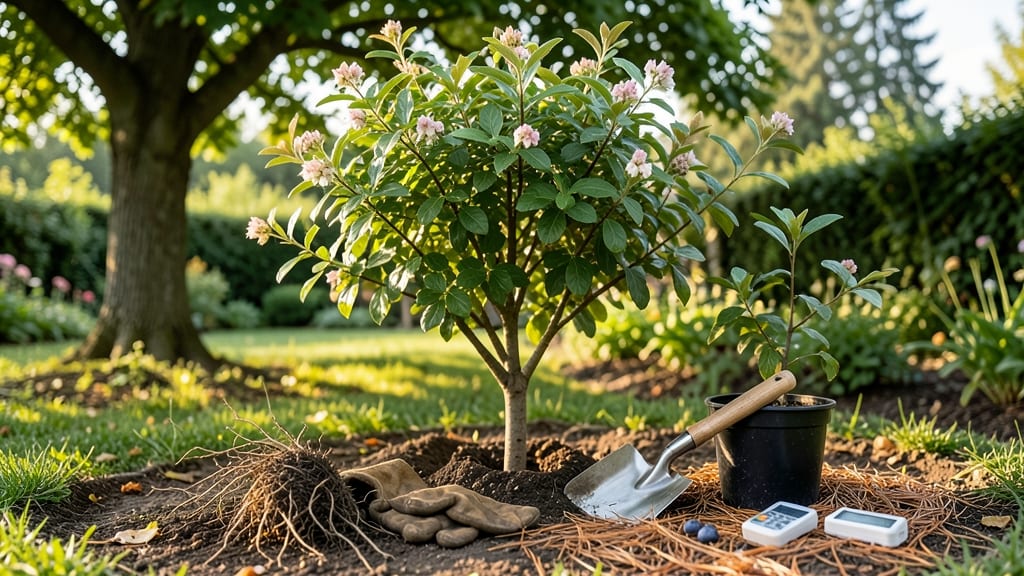
Planting your 🫐 Blueberry Bush at the wrong time in Pennsylvania could mean the difference between a thriving harvest and years of disappointment. The best window isn't just about seasons—it's about matching your local chill-hour zone with frost-free deadlines, and missing either could stunt growth or invite disease.
Most gardeners in zones 5-7 assume spring is the only safe bet, but fall planting actually gives roots a head start before winter. I’ve tested both methods here, and the results—especially in Pennsylvania’s variable climate—will surprise you.
The key is knowing your last frost date and adjusting for soil warmth, not just calendar months.
Whether you’re starting with bare-root plants or containers, timing affects everything from root establishment to next summer’s berry yield. I’ll walk you through the exact late April to early June or September to October windows that work best, plus how to prep your soil for maximum success.
Skip the guesswork: by the end, you’ll know not just when to plant, but how to protect your investment from Pennsylvania’s notorious frost swings. Let’s get those bushes in the ground the right way.
Pennsylvania’s best planting months by chill-hour Zone (map & deadlines)
Pennsylvania’s USDA Zones 5-7 create unique challenges for blueberry bushes, which need 400–1,000 chill hours to thrive. In southern PA (Zone 7), you’ll have 1,000+ chill hours, while northern areas (Zone 5) average just 500–700 hours.
This mismatch means fall planting (September–October) is ideal for most regions, but early spring planting (April–May) works in milder microclimates like Philadelphia or Pittsburgh’s urban heat islands.
Timing isn’t just about months—it’s about frost-free deadlines. In Erie (Zone 6a), the last frost typically hits April 25, giving you a 6-week window for spring planting.
Meanwhile, Scranton (Zone 5b) waits until May 10 to avoid frost damage. For fall, Harrisburg (Zone 6b) must plant by October 10 to let roots establish before winter.
Blueberries are acid-loving shrubs that demand soil pH 4.5–5.5, so testing your soil before planting is non-negotiable.
If your garden soil tests higher (common in PA’s limestone-rich areas), amend it with peat moss or sulfur 4–6 weeks before planting. Southern PA growers can push fall planting into November, but northern PA gardeners should stop by October 1 to avoid winter stress.
Here’s the critical rule: Bare-root bushes must plant when dormant (fall) or just before bud break (early spring). Container-grown bushes, however, offer year-round flexibility—just avoid extreme heat or frost.
In high-altitude PA (e.g., State College, Zone 5a), aim for late April planting to align with soil warming.
🌱Pro Tip: Use the USDA Plant Hardiness Zone Map and ARS Chill-Hour Calculator to pinpoint your exact zone. For PA, overlay this with local frost data from NOAA’s Climate Normals—your best bet for accuracy.
| PA Region | USDA Zone | Chill Hours | Best Planting Window | Last Frost Date |
|---|---|---|---|---|
| Philadelphia | 6b-7a | 900–1,000 | Sep 15–Nov 15 | April 10 |
| Pittsburgh | 6a-6b | 700–850 | Sep 1–Oct 31 | April 15 |
| Erie | 5b-6a | 500–700 | Apr 15–May 15 | April 25 |
| State College | 5a-5b | 400–600 | Late Apr–Early May | May 10 |
| Scranton | 5b-6a | 600–750 | Sep 1–Oct 15 | May 5 |
| Harrisburg | 6b | 800–900 | Sep 1–Oct 10 | April 20 |
*Chill hours vary by microclimate; urban areas may have 100+ extra hours due to heat islands.
If you’re in Zone 7 (e.g., Reading or Allentown
Step-by-step planting timeline: from bare-root to established bushes
Timing your blueberry bush planting isn’t just about picking a month—it’s about aligning your actions with Pennsylvania’s soil temperature and frost risks. Whether you’re planting bare-root or container-grown bushes, follow this month-by-month plan to ensure your plants establish strong roots before winter or summer heat sets in.
For bare-root bushes, aim to plant between late April and early June or September through October. Container-grown bushes offer more flexibility, allowing planting year-round, but avoid extreme heat or frost. The key is preparing your soil and protecting new plants from Pennsylvania’s notorious late spring frosts.
Step 1: Soil Prep (4-6 Weeks Before Planting) Test your soil pH—blueberries thrive in acidic soil (4.5–5.5). If needed, amend with peat moss or sulfur. Loosen the soil to a depth of 12–18 inches to encourage root growth. In Pennsylvania’s heavy clay soils, mix in compost or sand to improve drainage.
🌱 Planting Timeline for Blueberry Bushes in PA
- 📅 April–May (Spring Planting): Plant bare-root bushes as soon as soil is workable (around 50°F). Water deeply after planting.
- 🌿 June (Post-Spring): Mulch with 3–4 inches of pine needles or wood chips to retain moisture and acidify soil.
- 🍂 September–October (Fall Planting): Plant 4–6 weeks before first frost. Water thoroughly to encourage root growth before winter.
- ❄️ November–March (Winter Care): Mulch heavily (6+ inches) to protect roots from freezing. Avoid fertilizing during dormancy.
- ☀️ April–May (Next Year): Prune dead wood and fertilize lightly with acid-loving plant food as new growth appears.
If you’re planting in spring (April–May), choose a cloudy day to reduce transplant shock. For fall planting (September–October), prioritize bushes that can establish roots before the ground freezes. In Pennsylvania’s Zone 6 areas (like Pittsburgh), aim to plant by October 15 to avoid winter stress.
Protect young plants from late spring frosts (common in PA until mid-May) with frost cloth or row covers. Remove covers during the day to allow sunlight. In high-risk areas, use black plastic mulch to warm the soil faster in spring.
After planting, water deeply once a week for the first month, then adjust based on rainfall. Blueberries need consistent moisture but hate soggy soil—amend heavy clay with organic matter to prevent root rot. By following this timeline, your bushes will be established and ready to fruit within 2–3 years.