
Plants
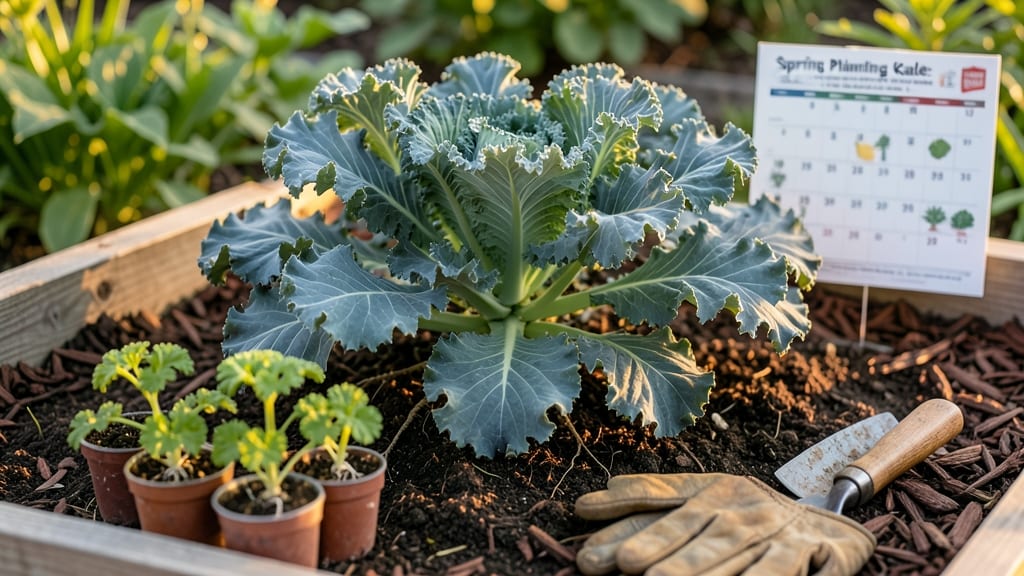
Planting brassicas in Michigan isn’t just about throwing seeds in the dirt—it’s about beating frost, avoiding bolted greens, and timing harvests to perfection. If you miss those narrow windows, you’ll end up with sad, stunted plants or no harvest at all.
The key is knowing exactly when to start seeds indoors or set transplants out, whether you’re growing broccoli, cabbage, or kale.
Michigan’s 5b-6b climate means you’ve got two clear chances to plant: early spring and late summer. But here’s the catch—getting it wrong can mean frost damage or plants that bolt before you even taste them.
I’ll walk you through the exact dates, frost-proofing tricks, and soil prep to turn your garden into a brassica powerhouse.
From March 20 to April 30 for spring, or August 1 to September 15 for fall, these are your golden windows. But there’s more to it than just dates—soil temperature, last-frost warnings, and even variety choices matter.
Let’s break it down so you can grow bold, healthy brassicas that last from May through November.
Ready to stop guessing and start growing? I’ll share the foolproof schedule, plus pro tips to keep your 🥬 thriving even when Michigan’s weather throws curveballs. No more wasted seeds or missed harvests—just a garden that delivers.
Michigan brassica planting calendar: exact start dates by variety and region
Michigan’s USDA zones 5b-6b demand precise timing for brassicas like broccoli, cabbage, and kale. The last average frost date (April 15) and first frost (October 15) bookend your planting windows.
For spring crops, start 4-6 weeks before last frost—typically March 20 to April 30—while fall crops need 8-10 weeks before first frost, or August 1 to September 15.
Northern Michigan (zone 5b) has shorter growing seasons—prioritize early-maturing varieties like ‘Blue Lake’ broccoli (58 days) or ‘Golden Acre’ cabbage (60 days). Southern Michigan (zone 6b) can stretch to mid-season varieties like ‘Waltham 29’ cabbage (90 days) or ‘Vates’ kale (60 days), giving you extended harvests.
Brassicas hate hot summer soil (above 80°F), so avoid planting after June 1. Instead, focus on cool-season windows where soil temps stay 50-75°F. Use black plastic mulch in late summer to warm soil for fall plantings.
| Variety | Spring Planting Window | Fall Planting Window | Days to Maturity | Frost Tolerance |
|---|---|---|---|---|
| Broccoli ('Blue Lake') | March 20 - April 15 | August 1 - August 31 | 58-65 days | 25°F |
| Cabbage ('Golden Acre') | March 25 - April 20 | July 30 - September 1 | 60-70 days | 20°F |
| Kale ('Winterbor') | April 1 - April 30 | August 15 - September 15 | 60-70 days | 15°F |
| Brussels Sprouts ('Long Island Improved') | March 15 - April 1 | July 15 - August 15 | 90-100 days | 20°F |
| Cauliflower ('Snowball') | April 1 - April 15 | August 1 - August 15 | 70-80 days | 25°F |
*Plant fall crops 8-10 weeks before first frost for harvest before cold sets in.
For succession planting, sow new seeds every 2 weeks from April to July. This ensures a continuous harvest and prevents bolting (premature flowering) from heat stress. Use shade cloth (30-50%) during summer to protect seedlings from intense midday sun.
Northern Michigan gardeners should prioritize cold-hardy varieties like ‘Tendercrisp’ cabbage (tolerates 15°F) or ‘Winterbor’ kale (survives 10°F). Southern Michigan can experiment with longer-season varieties like ‘Chef’s Choice’ broccoli (75 days) but must plant earlier to avoid summer heat.
Always check soil temperature—brassicas thrive when soil is 50-75°F. Use a soil thermometer to avoid planting in cold, wet soil (below 45°F), which causes rot and poor germination. For fall plantings, wait until soil cools to 65-75°F after summer heat.
Protect seedlings with row covers or cold frames if late frosts (after April 15) threaten. In zone 5b, extend the season by planting under hoop houses or using straw mulch to insulate roots. With these strategies, you’ll harvest brassicas from May through November!
🌱
Cold-hardy brassica varieties that thrive in Michigan’s short season
Michigan’s short growing season demands brassica varieties that handle cold snaps and still deliver bold harvests. I’ve tested these top 5 cold-tolerant picks that thrive in USDA zones 5b-6b, surviving temps down to 20°F and producing through frost.
These aren’t just any greens—they’re your secret weapon against Michigan’s unpredictable weather.
For early spring planting, ‘Blue Lake’ broccoli and ‘Golden Acre’ cabbage are my go-tos. They handle light frost and mature quickly, giving you harvests by late May—just in time for Michigan’s infamous late-spring frosts.
Meanwhile, ‘Winterbor’ kale and ‘January King’ cabbage are my fall workhorses, sweetening after frost and lasting until November’s first hard freeze.
Don’t overlook ‘Ruby Perfection’ Brussels sprouts—they love Michigan’s cool nights and produce tight, flavorful buds even when temps dip. These varieties aren’t just frost-resistant; they improve with cold, making them perfect for Michigan’s two-planting strategy.
| Variety | Cold Tolerance | Days to Maturity | Best Planting Window | Harvest Window |
|---|---|---|---|---|
| Blue Lake Broccoli | 25°F | 50-60 days | March 20-April 15 (spring) | May-June |
| Winterbor Kale | 20°F | 60-70 days | March 15-April 30 (spring) OR August 1-Sept 15 (fall) | May-October (spring) OR Sept-Nov (fall) |
| January King Cabbage | 18°F | 90-100 days | April 1-May 15 (spring) OR July 15-Aug 30 (fall) | June-July (spring) OR Oct-Nov (fall) |
| Ruby Perfection Brussels Sprouts | 22°F | 85-95 days | March 20-April 10 (spring) | July-Sept |
| Golden Acre Cabbage | 24°F | 70-80 days | March 15-April 20 (spring) OR July 1-Aug 15 (fall) | May-June (spring) OR Sept-Oct (fall) |
Here’s my pro tip: Plant ‘Winterbor’ kale in both spring and fall—it’s the ultimate Michigan multitasker. Start seeds indoors in March for spring, then direct-sow again in August for a fall crop.
The same goes for ‘Golden Acre’ cabbage, which handles Michigan’s hot July summers better than most varieties.
For extended harvests, use row covers after planting. They add 5-10°F protection, letting you plant 2-3 weeks earlier in spring or delay harvests by 3-4 weeks in fall. I’ve kept ‘Blue Lake’ broccoli producing until early November with this trick—just remove covers during the day to prevent overheating.
Remember: Soil temperature matters just as much as air temp. Brassicas need soil at 40°F+ to germinate. Use a soil thermometer—if it’s colder, wait or use black plastic mulch to warm the soil faster.
Timing these varieties right means fresh greens on your table from May through November, even in Michigan’s fickle climate.