
Plants
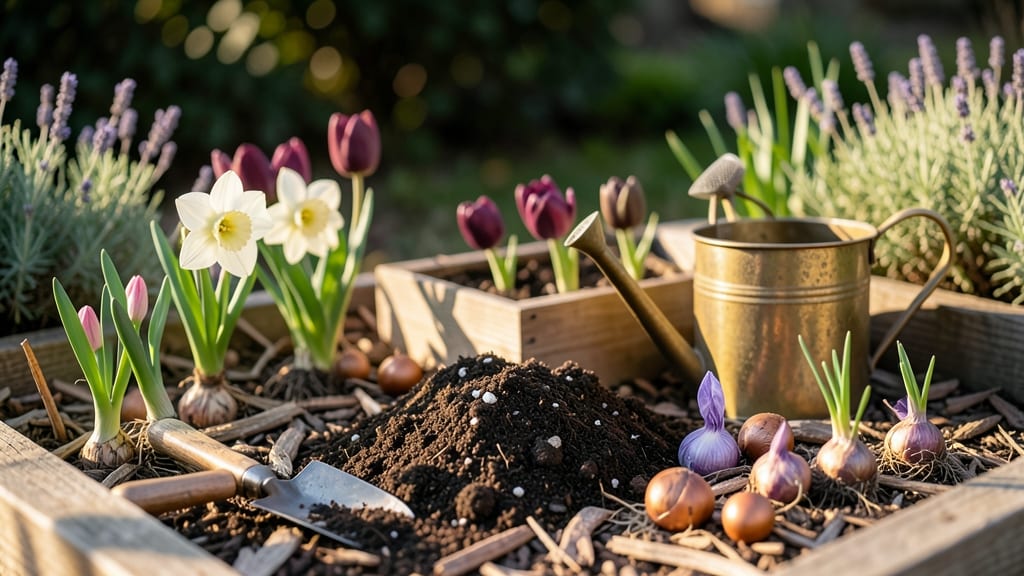
Planting bulbs in Phoenix might seem risky with its brutal summers, but timing it right—between October and December—lets you beat the heat and unlock stunning spring blooms.
Unlike cooler climates, Phoenix’s mild winters and scorching summers demand a different approach, but with the right heat-resistant varieties like daffodils or agapanthus, your garden can thrive.
The key is getting those bulbs in the ground 6-8 weeks before winter rains, giving them time to root before dormancy. This window ensures they’re ready to burst into color when spring arrives, even in the desert’s harsh conditions.
Plus, you’ll avoid the common mistake of planting too late, which can leave bulbs struggling to establish.
I’ve tested what works in Phoenix’s 9b climate, and the results are worth the effort. With proper soil prep—adding compost to sandy soil—and smart watering, you’ll see blooms that outshine even the toughest desert plants. Let’s dive into the exact steps to make your bulbs flourish.
From selecting the toughest varieties to mastering post-planting care, this guide covers everything you need to turn your Phoenix garden into a springtime showstopper. No frost? No problem—just follow these proven tips for desert success.
Best months to plant bulbs in Phoenix’s extreme climate
Phoenix’s desert climate demands precise timing for planting bulbs—too early, and they’ll bake in summer heat; too late, and winter rains may not give them enough time to establish roots.
The key is planting 6-8 weeks before winter rains, typically between late August and December, depending on the bulb type and your microclimate.
Unlike temperate zones, Phoenix’s USDA Zone 9b means no frost to worry about, but soil temperatures and rainfall patterns dictate the perfect window.
Fall-planted bulbs (like daffodils and agapanthus) need roots established before December’s cooler temps, while spring-bloomers (like watsonia) can wait until January for milder soil conditions.
Here’s the critical timeline: Late August–September for heat-tolerant bulbs (plant before 95°F soil temps), and October–December for most varieties to align with winter monsoon rains that trigger growth. Skip planting in summer (June–July)—the heat will kill them before roots form.
| Planting Window | Bulb Type | Soil Temp Goal | Rainfall Alignment |
|---|---|---|---|
| Late August–September | Heat-resistant (e.g., Rain Lilies, Agapanthus) | Below 85°F | Pre-monsoon (establish roots) |
| October–November | Classic spring bloomers (e.g., Daffodils, Tulips) | 70–80°F | Winter rains (trigger growth) |
| December–January | Late winter bloomers (e.g., Watsonia, Crinum) | 60–75°F | Post-holiday (cooler soil) |
Before planting, amend Phoenix’s sandy soil with 3–4 inches of compost to retain moisture and nutrients. Test your soil’s pH—most bulbs prefer 6.0–7.0. If your yard has alkaline soil (common in desert areas), mix in peat moss to lower pH slightly.
Water deeply after planting to settle soil around bulbs, then reduce to weekly watering until winter rains take over. Mulch with 1–2 inches of organic mulch (like straw) to insulate bulbs from daytime heat and nighttime cold swings. Avoid synthetic mulches—they can overheat bulbs.
Pro tip: Plant bulbs in raised beds or containers if your soil is extremely sandy. This gives you better control over moisture and drainage, which is critical in Phoenix’s low-humidity climate. Just ensure containers have drainage holes to prevent rot.
Monitor your bulbs for yellowing leaves in spring—this signals they’re replenishing energy for next year’s blooms. Never cut foliage until it turns brown; this starves the bulb. In summer, reduce watering to bi-weekly to mimic the desert’s natural dormancy cycle.
Phoenix’s microclimates (like shaded urban areas vs. exposed desert edges) can shift planting windows by 2–4 weeks. Observe your garden’s sun exposure and soil moisture—adjust timing if your area stays hotter or drier than average.
For example, Scottsdale’s cooler pockets may support January planting, while Gila Bend’s extreme heat demands September-only windows.
With the right timing and care, your bulbs will bloom reliably for years, turning Phoenix’s desert into a springtime paradise. Start with heat-resistant varieties, and don’t rush—patience is the key to success in this challenging climate. 🌷
Best months to plant bulbs in Phoenix’s extreme climate
Phoenix’s USDA Zone 9b climate demands precise timing for bulb planting—too early, and bulbs may rot in summer heat; too late, and they won’t establish roots before winter rains. The ideal window is October through December, when soil temperatures drop below 85°F but before monsoon rains begin.
Fall-planted bulbs like daffodils and agapanthus need 6-8 weeks to root before winter dormancy. Planting in September is risky unless you’re in shaded microclimates, while January is too late for most varieties to bloom the following spring.
Key temperature thresholds: Soil should be 60-70°F at planting depth (4-6 inches). Use a soil thermometer to confirm—cooler temps signal it’s time to plant.
Phoenix’s sandy soil drains too quickly for bulbs, so amend with 3 inches of compost or well-rotted manure before planting. This mimics the moisture retention of native desert soils while preventing root dehydration.
Critical planting months:
- October: Best for spring-blooming bulbs (e.g., tulips, hyacinths)
- November-December: Ideal for heat-resistant varieties like rain lilies or watsonia
- Avoid: Planting after January 15 unless using pre-chilled bulbs (not recommended for Phoenix’s climate)
| Bulb Type | Planting Month | Bloom Time | Soil Temp | Notes |
|---|---|---|---|---|
| Spring-Blooming (Daffodils, Tulips) | October–November | March–May | 60–70°F | Needs winter chill |
| Heat-Resistant (Rain Lilies, Watsonia) | November–December | April–June | 55–65°F | No chill requirement |
| Fall-Blooming (Crocus, Sternbergia) | September–October | November–December | 70–75°F | Shade-tolerant |
Plant bulbs 6 inches deep (twice their height) in well-draining soil with organic matter. Mulch with 1–2 inches of straw to retain moisture and protect from desert winds. Water deeply after planting, then reduce to bi-weekly once established.
Pro tip: Use drip irrigation for new plantings to avoid disturbing soil. Phoenix’s low humidity means bulbs dry out faster—monitor soil moisture with your finger (top 2 inches should be dry between waterings).