
Plants
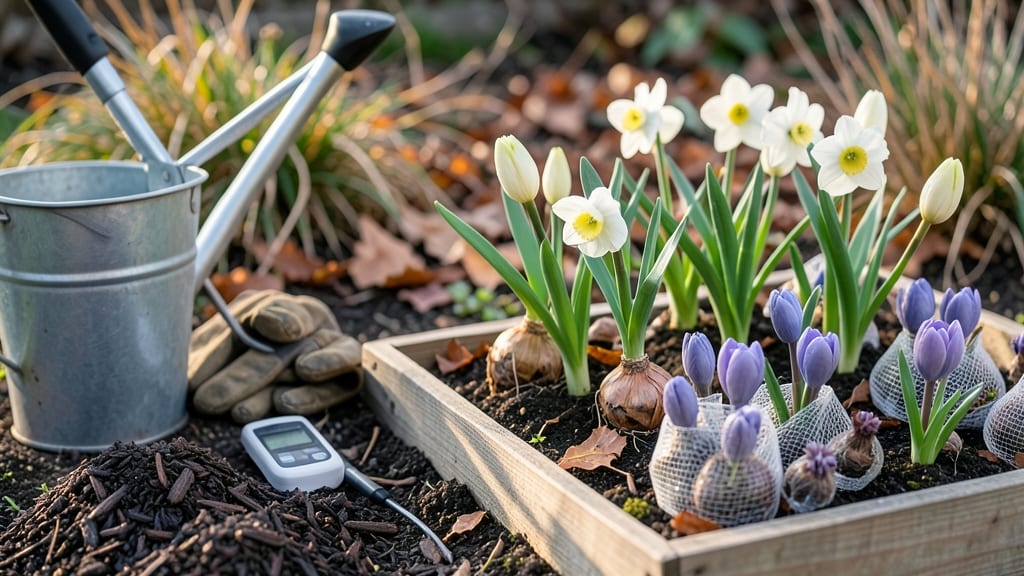
Planting bulbs in Zone 4 at the wrong time can mean the difference between a showstopping spring garden and a sad pile of frozen dirt. The 6-8 week window before your first frost is your golden opportunity, and missing it means risking weak blooms—or worse, no blooms at all.
I’ve learned the hard way that timing isn’t just about the calendar—it’s about soil temperature, frost dates, and even the type of bulbs you’re planting. Whether you’re dreaming of tulips or daffodils, getting this right ensures your 🌱 bulbs thrive despite Zone 4’s harsh winters.
Let’s break down the exact steps to nail your planting schedule.
Most gardeners in Zone 4 rush to plant in early fall, only to watch their efforts fail when a surprise frost hits. The key? Understanding your local frost dates and adjusting for soil conditions.
I’ll show you how to calculate your perfect planting window—so you can enjoy vibrant blooms year after year without the guesswork.
From mulching tips to container planting hacks, we’ll cover everything you need to know to make your bulbs perfect no matter how early or late your frost arrives. Ready to turn your garden into a springtime masterpiece?

Zone 4 bulb planting timeline: month-by-month frost-date guide
Planting bulbs in Zone 4 requires precision—miss the window, and your tulips or daffodils might never bloom. Most bulbs need 6-8 weeks to establish roots before winter, while spring-planted bulbs wait until after the last frost date (typically May 10 in Zone 4).
Fall planting is critical for hardy bulbs like crocuses and hyacinths, which thrive in cold climates. Spring planting works for tender varieties like dahlias or gladiolus, but only after soil warms to 50°F (10°C). Let’s break it down by month to avoid common mistakes.
Here’s your Zone 4 bulb planting calendar, adjusted for early, mid, and late frost subregions. Use your local USDA frost dates as your guide—most Zone 4 areas see their first frost around October 1.
| Bulb Type | Planting Window | Depth | Spacing | Notes |
|---|---|---|---|---|
| Tulips | Late September–October | 6–8 inches | 4–6 inches apart | Plant in well-draining soil; avoid soggy areas. |
| Daffodils | October–November | 6–8 inches | 3–6 inches apart | Deer-resistant; great for woodland gardens. |
| Hyacinths | September–October | 6 inches | 4–6 inches apart | Plant in containers for early blooms. |
| Crocuses | September–October | 3–4 inches | 2–3 inches apart | One of the earliest bloomers in spring. |
| Dahlias (Spring) | After last frost (May) | 4–6 inches | 12–18 inches apart | Needs staking; plant in full sun. |
For early frost areas (e.g., Minnesota or Upstate New York), shift planting to late September to ensure roots establish before October 1. In late frost zones (e.g., Northern Indiana), you can plant as late as mid-November.
Spring planting is riskier in Zone 4. Wait until mid-May (after last frost) to plant tender bulbs like canas or begonias. Use row covers if nights dip below 40°F (4°C).
Pro tip: Use a soil thermometer to confirm soil temps are below 60°F (15°C) before planting fall bulbs. If soil is still warm, wait 2–3 weeks.
Mulch with 2–3 inches of straw after planting to insulate bulbs from freeze-thaw cycles. This is especially critical for late-planted bulbs in Zone 4’s unpredictable fall.
Remember, bulb health depends on foliage growth after blooming. Never cut back leaves until they yellow naturally—this fuels next year’s flowers!
How to adjust bulb planting for early vs late frost in Zone 4
Zone 4’s frost dates can vary by 100+ miles, making a 2-4 week difference in your planting window. If you’re in early frost areas (like northern Michigan), aim to plant daffodils and tulips by mid-October.
In late frost zones (like western New York), you might have until early November—but don’t wait too long!
For spring-planted bulbs like caladiums or cannas, wait until after your last frost date (typically mid-May in Zone 4). Use your local USDA frost map or almanac to pinpoint your exact window—this is non-negotiable for success.
🌱Pro Tip: If your frost date is unpredictable, plant hardy bulbs (like crocuses or snowdrops) first—they tolerate light freezing better than tender varieties.
🔍 Numbered Adjustments for Frost Variations
- 🌡️ Check soil temp: Bulbs need 60°F soil to root. Use a soil thermometer—if it’s below 50°F, wait.
- ⏰ Shift timing by 2 weeks: For every 100 miles north, plant 7-10 days earlier in fall or later in spring.
- 🌿 Use mulch: Add 3-4 inches of straw after planting to insulate bulbs from early freezes.
- 🛡️ Protect tender bulbs: Cover hyacinths or lilies with row fabric if frost threatens after planting.
- 📅 Note your dates: Track 3 years of frost dates to spot trends in your microclimate.
If you’re in a microclimate (like a south-facing slope), you can plant 1-2 weeks later than the general Zone 4 average. Conversely, low-lying areas freeze earlier—plant hardy bulbs first and tender ones last.
For container-grown bulbs, move pots to a garage or basement if frost hits before they’re established. Daffodils and alliums are your best bets for early planting—they handle light frost like champions.
🌿Remember: The 6-8 week rule applies to both fall and spring planting. Count backward from your first frost (fall) or forward from your last frost (spring) to lock in the perfect window.