
Plants
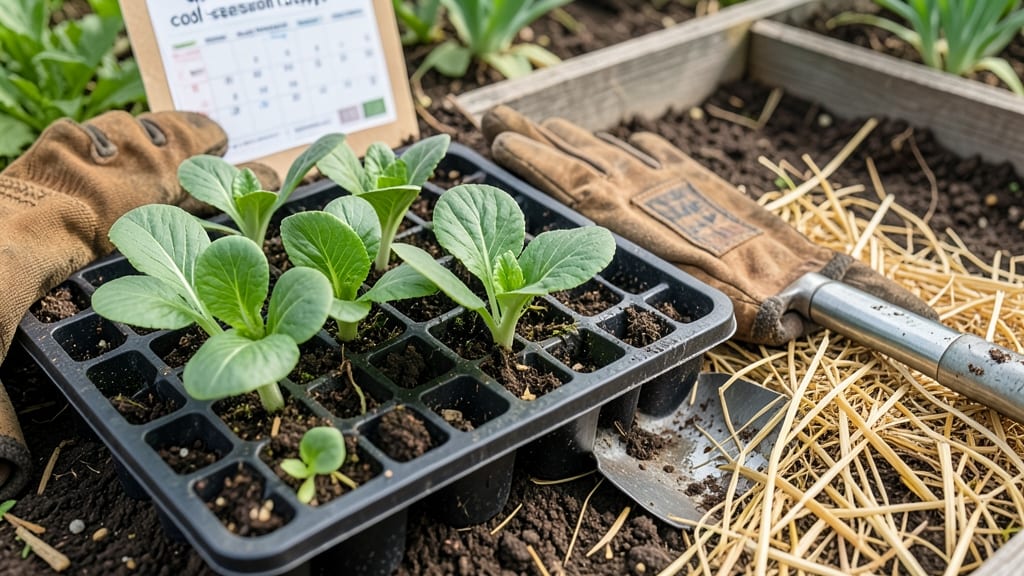
Timing your 🥬 cabbage planting in South Carolina isn't just about the calendar—it's about outsmarting the heat and humidity that can turn your crisp heads into bitter stems faster than you can say "bolting."
If you've ever watched your carefully nurtured plants race toward flower stems instead of growing into the tender greens you envisioned, you know how frustrating (and costly) this can be.
Here's the secret: the perfect planting window in South Carolina's 7b-8a climate isn't just February-March for spring or July-August for fall—it's about working with your local microclimate. Too early, and your cabbage will bolt from the cold.
Too late, and the summer heat will send it shooting up before you get a single harvest. Let me show you exactly when to plant for zero-bolt success, plus how to adjust for your specific corner of the state.
What you'll discover is that transplanting young plants after soil warms to 45°F makes all the difference, and that shade cloth can be your best friend during those scorching afternoons.
Whether you're a backyard gardener or growing in containers on your balcony, these region-specific tips will help you grow cabbage that's sweet, crisp, and ready to harvest when you need it most.
Ready to stop guessing and start growing? Let's dive into the exact months and methods that will give you the most flavorful cabbage harvests all season long—without the bitter disappointment of bolting. Your future crisp, fresh heads are waiting!
Best planting months for cabbage in South Carolina to prevent bolting
Timing your cabbage planting in South Carolina is critical—get it wrong, and you’ll face bolting, the bitter-tasting nightmare where your plant shoots up a flower stalk instead of forming a head. The key?
Plant when soil temperatures stay cool (below 75°F) and days are short to prevent heat stress. In our USDA Zones 7b-8a, this means focusing on two windows: early spring and late summer.
For spring cabbage, start seeds indoors 6-8 weeks before your last frost date (typically around March 15 in most of SC). Transplant seedlings outdoors in February or early March when soil warms to 45°F (7°C).
This gives heads time to mature before summer heat triggers bolting. If you’re impatient, late summer transplants (July-August) can work too—just choose heat-tolerant varieties like ‘Cavalo’ or ‘Golden Acre’.
Here’s the golden rule: Never plant cabbage when daytime highs exceed 80°F. South Carolina’s summer heat (think 90°F+ in July-August) sends cabbage into bolting mode faster than you can say “coleslaw.” Even our coastal regions (like Charleston) hit these temps earlier than inland areas, so adjust your timeline accordingly.
Pro tip: Use a soil thermometer to monitor temps. Cabbage thrives in 55-65°F soil. If your garden hits 70°F+ for more than a few days, your plants will bolt—no exceptions. This is why fall planting (July-August) is riskier unless you’re using shade cloth or fast-maturing varieties.
| Planting Window | Ideal Months | Soil Temp | Days to Maturity | Bolting Risk |
|---|---|---|---|---|
| Early Spring | February–March | 45–65°F | 80–100 days | Low |
| Late Summer | July–August | 55–70°F | 60–80 days | Medium (heat-sensitive) |
| Winter (Coastal Only) | October–November | 50–60°F | 90–120 days | Low (if frost-protected) |
If you’re in Upstate SC (like Greenville or Spartanburg), you’ve got a slightly longer spring window thanks to cooler nights. Aim to have seedlings in the ground by mid-March to avoid the April heat spike.
Meanwhile, coastal gardeners (Myrtle Beach, Hilton Head) should plant 4-6 weeks earlier—their milder winters mean soil warms faster, and summer heat arrives sooner.
Don’t overlook container gardening for urban SC gardeners. Pots warm up faster than soil, so use black plastic containers to absorb heat and extend your planting window by 1-2 weeks.
Just be ready to move them to shade if temps climb above 80°F. And always use well-draining soil—cabbage hates soggy roots, which can stress plants and trigger bolting.
One more trick: Succession planting every 2 weeks in spring gives you a staggered harvest and reduces bolting risk. For example, plant a batch in late February, another in mid-March, and a final one in early April.
This way, you’re always harvesting before the heat peaks in May-June.
For fall cabbage, your last chance is to plant late July with fast varieties (like ‘Early Jersey Wakefield’) or use shade cloth (30-50%) to keep leaves 10°F cooler. Without these precautions, your cabbage will bolt by September, leaving you with nothing but bitter stems.
Remember: South Carolina’s humidity is your friend—it keeps soil moist, but it’s also a bolting trigger if temps rise. Monitor your plants closely, and don’t hesitate to harvest early if heads form before bolting starts. A smaller head is better than no head at all!
Best planting months for cabbage in South Carolina to prevent bolting
South Carolina’s warm winters and long summers create a tricky balance for growing 🥬 cabbage. Unlike northern climates, we can’t just plant in early spring—our mild winters and early heat demand a two-season approach.
The key is planting when soil temperatures stay cool enough to prevent bolting (that bitter stem rush) while avoiding late frosts that stunt growth.
For spring cabbage, your best window is February through early March. This gives plants time to mature before summer’s relentless heat arrives. If you miss this, don’t despair—late summer (July-August) is your second chance for fall harvests.
The trick? Use shade cloth or heat-tolerant varieties like ‘Golden Acre’ to beat the heat.
Here’s the critical timeline to remember: Soil must be 45°F+ and frost-free for planting. In SC’s Zone 7b-8a, that’s typically after March 15 for spring and before August 15 for fall. Miss these windows, and you’ll either lose plants to frost or watch them bolt in the heat.
| Season | Planting Window | Key Consideration | Harvest Time |
|---|---|---|---|
| Spring | February–Early March | Soil 45°F+, frost-free | May–June |
| Fall | July–August | Use shade cloth; avoid heat spikes | October–November |
| Winter (Coastal) | October–November | Mild winters only; protect from light frosts | January–February |
🌱 Pro Tip: Start seeds indoors 6–8 weeks before transplanting for stronger seedlings.
If you’re in Upstate SC, aim for late February to avoid early frosts, while coastal gardeners can push planting to early March thanks to warmer microclimates. For fall, August 15 is your cutoff—after that, the heat becomes too intense, and bolting risks skyrocket.
Don’t overlook soil prep either. Cabbage thrives in well-draining, slightly acidic soil (pH 6.0–7.0). Amend your beds with compost and aged manure before planting to give roots a nutrient boost. A 2-inch layer of mulch will also keep soil temps stable and moisture consistent.
For container growers, stick to dwarf varieties like ‘Miniature Peanut’ and plant in 5-gallon pots with moisture-control mix. Containers heat up faster, so move them to shadier spots during peak afternoon sun.
With the right timing and care, you’ll enjoy crisp, sweet cabbage straight from your SC garden—no bitter surprises!