
Plants
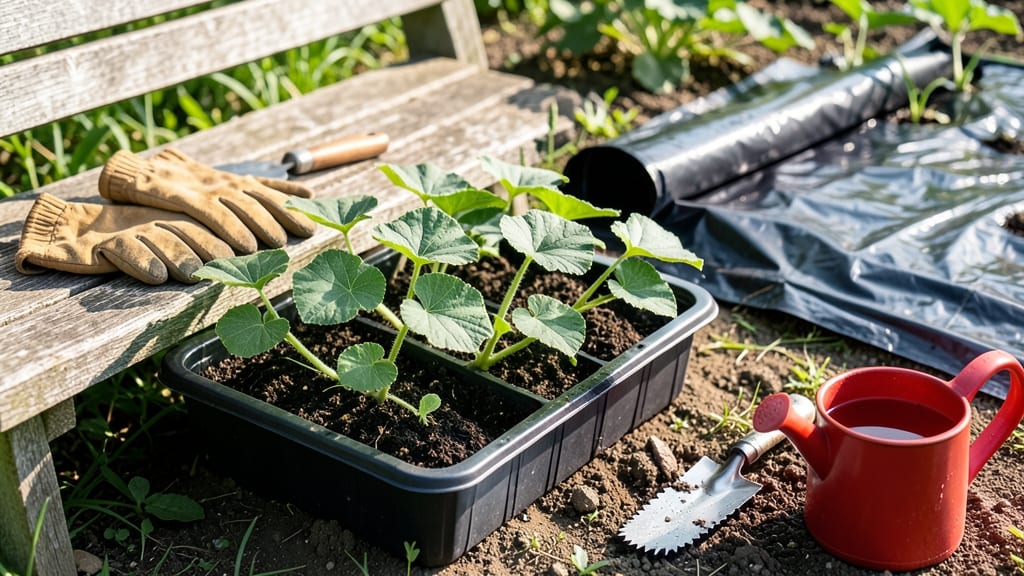
Planting cantaloupe in Arkansas isn’t just about timing—it’s about catching that perfect window when the soil warms up and the air stays reliably above 70°F. Get it wrong, and you’ll either end up with sad, stunted vines or miss the sweet harvest entirely.
The key? Starting seeds indoors 4-6 weeks before your last frost date—or, if you’re planting directly in the ground, waiting until after May 15 in most of the state.
Why does this matter? Cantaloupe 🌱 is a heat-loving fruit, and Arkansas’s spring can be unpredictable—cool nights and lingering frost will stall growth faster than you can say “sugar baby.” But with the right strategy, you can beat the odds and enjoy homegrown melons from late summer through fall.
Let’s break down the exact steps to time your planting for success, no matter where you are in the state.
First, you’ll need to know your local frost dates and microclimate. Northern Arkansas gardeners (think USDA Zones 6-7) have a shorter window to work with, while those in the southern part of the state (Zones 7-8) can push planting later.
The goal? Get those seeds in the ground when the soil hits at least 75°F—that’s your green light to grow.
Once you’ve got the timing down, the next challenge is choosing the right variety and preparing your soil. Heat-tolerant cantaloupes like ‘Athena’ or ‘Hale’s Best’ are perfect for Arkansas’s summers, but even the best seeds won’t thrive in cold, heavy soil.
We’ll cover how to warm up your beds, space your plants for airflow, and keep them hydrated through the scorching months. Ready to grow melons that’ll make your neighbors jealous?
Best planting dates for cantaloupe in Arkansas by region
Arkansas’ diverse climate means your cantaloupe planting dates depend heavily on region. North Arkansas’ cooler springs delay planting, while South Arkansas’ longer growing season lets you start earlier. Soil temperature below 60°F will stall seeds, so always check before planting.
Let’s break down the perfect windows for each area to maximize your harvest.
First, know Arkansas’ average last frost dates vary widely: March 15 in South Arkansas, April 1 in Central Arkansas, and April 15 in North Arkansas. Cantaloupes need 75-90 warm days to mature, so timing is critical.
Plant too early, and frost will kill tender seedlings; too late, and you’ll miss summer’s peak heat.
Here’s your region-specific planting guide with exact dates, soil prep tips, and heat zone considerations for Arkansas gardeners.
| Region | Last Frost Date | Ideal Planting Window | Soil Temp Requirement | Heat Zone |
|---|---|---|---|---|
| North Arkansas | April 15 | May 1 - May 15 | 65°F+ (minimum) | 7-8 |
| Central Arkansas | April 1 | April 15 - April 30 | 60°F+ (minimum) | 7-8 |
| South Arkansas | March 15 | March 30 - April 15 | 55°F+ (minimum) | 8-9 |
| All Regions | N/A | Last chance: July 15 | 70°F+ (ideal) | 7-9 |
For North Arkansas gardeners, wait until after May 1 to plant cantaloupe seeds directly. The cooler climate means soil warms slowly, and seeds won’t germinate below 65°F. Use row covers for early starts if you’re eager, but remove them once vines emerge to prevent overheating.
Central Arkansas offers the best balance with planting windows from April 15-30. This region’s moderate climate lets you start slightly earlier than North Arkansas, but still avoid late frosts. Soil thermometers are worth the investment here—aim for 70°F+ for optimal germination and growth.
South Arkansas gardeners can plant as early as March 30, thanks to its longer growing season and warmer soils. This head start means you’ll harvest earlier and avoid summer’s peak heat stress. Succession planting every 2 weeks until July 15 extends your harvest window significantly.
Regardless of region, direct sow seeds after the last frost—cantaloupes hate transplants. Space seeds 1 inch deep and 6 inches apart, thinning to 2 feet between plants. Black plastic mulch raises soil temps by 10°F and suppresses weeds, giving your cantaloupes a competitive edge.
Pro tip: Test soil moisture before watering—cantaloupes need 1-2 inches of water weekly, but soggy soil invites disease. Drip irrigation keeps foliage dry, reducing powdery mildew risk. Mulch around plants to retain moisture and keep roots cool during Arkansas’ 90°F+ summers.
If you’re in Heat Zone 8 or 9 (common in South Arkansas), consider shade cloth during peak afternoon heat to prevent blossom drop. Even cantaloupes need a break from relentless sun! Morning watering before 9 AM ensures roots stay hydrated without evening fungal risks.
For a second harvest, plant a late-summer variety like ‘Hale’s Best’ around July 15. These heat-tolerant types mature in 75 days, letting you enjoy cantaloupes well into October before first frosts arrive.
Best planting dates for cantaloupe in Arkansas by region
Arkansas’s diverse climate means your cantaloupe planting schedule should depend on whether you’re in North Arkansas (cooler springs), Central Arkansas (moderate), or South Arkansas (warmer). The general rule: wait until the soil reaches 75°F and nighttime temperatures stay above 60°F consistently.
For most of the state, this lands between mid-April and mid-May for indoor starts or late May to early June for direct sowing.
Northern Arkansas (Zones 6-7) has the shortest growing season, so aim to plant transplants by May 15 or start seeds indoors in early April.
Central Arkansas (Zones 7-8) can push planting to late May, while Southern Arkansas (Zones 7b-8a) can even try early June plantings for a late-summer harvest. Always check your local last frost date—Arkansas averages April 15 in the north to March 15 in the south.
Here’s how to calculate your exact window: subtract your cantaloupe’s 75-90 day maturity from your first frost date (typically October 15-30). For example, if your first frost is October 15 and you’re growing ‘Athena’ (75 days), plant by June 20 to avoid frost damage.
Use black plastic mulch to warm soil faster in cooler regions.
🌱
| Region | USDA Zone | Last Frost Date | Indoor Start | Direct Sow | Soil Temp Goal |
|---|---|---|---|---|---|
| North Arkansas | 6-7 | April 15 | Early April | May 15-30 | 75°F+ |
| Central Arkansas | 7-8 | March 15-April 1 | Mid-April | Late May | 75°F+ |
| South Arkansas | 7b-8a | February 15-March 1 | Late March | Early June | 75°F+ |
If you’re in a microclimate (like a low-lying area or urban heat island), you can plant 2-3 weeks earlier than the average. Test your soil temperature with a soil thermometer—it should read 75°F at 4 inches deep before planting.
In cooler springs, use row covers or cold frames to jumpstart growth and extend your season.
For a second harvest, try a late planting in early July (if your first frost isn’t until late October). Choose faster-maturing varieties like ‘Hale’s Best’ (70 days) to ensure ripe fruit before cold weather sets in. Just be prepared to mulch heavily to protect roots from temperature swings.
🌡️