
Plants
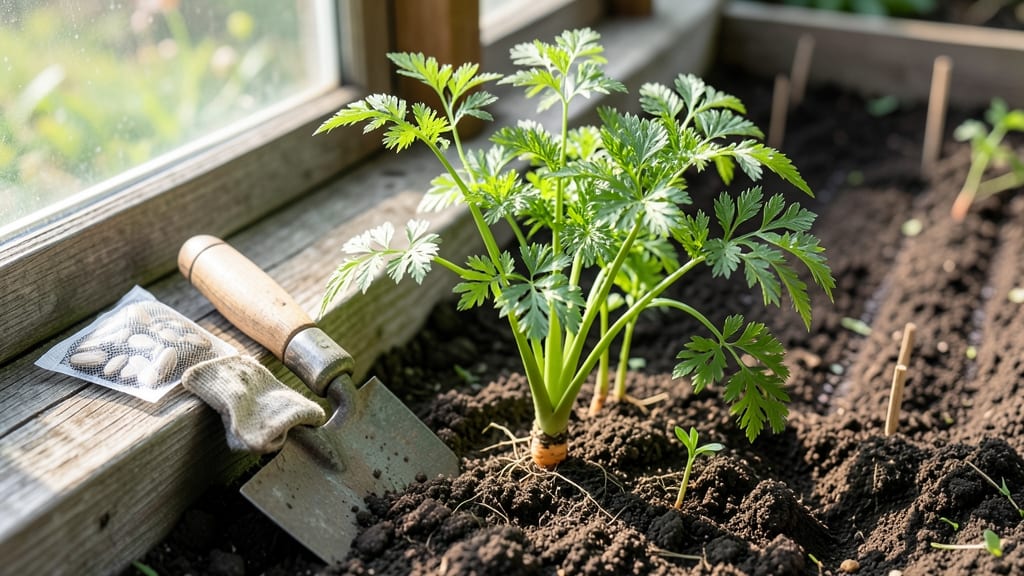
Planting carrots 🥕 at the wrong time in Pennsylvania could mean the difference between a garden full of sweet, crisp roots and a patch of bolted greens or stunted growth.
The key to success lies in understanding your local frost dates, soil temperatures, and how to time your planting for maximum yield—especially in zones 5b-7a where seasons shift quickly.
I’ve learned the hard way that rushing to plant too early—before the soil warms to at least 50°F—leads to slow germination or seed rot. Meanwhile, waiting too long risks bolting before harvest.
With Pennsylvania’s 165 frost-free days, timing is everything, and the right window can extend your harvest from June all the way to November.
In this guide, I’ll break down the ideal planting windows for both spring and fall, including how to adjust for regional differences like Pittsburgh’s cooler climate or Philadelphia’s slightly longer growing season. You’ll also discover how to stretch your harvest with succession planting and cold-hardy varieties.
Whether you’re a first-time gardener or a seasoned grower, these insights will help you avoid common mistakes and ensure a steady supply of homegrown carrots all season long. Let’s get those seeds in the ground at the perfect moment!
Pennsylvania carrot planting calendar: ideal dates by soil temperature & frost zones
Getting your carrot seeds in the ground at the right time in Pennsylvania is everything—soil temperatures below 50°F stall germination, while waiting too long risks bolting before harvest.
The Keystone State spans USDA zones 5b-7a, meaning your last frost dates can vary by 2-3 weeks between Philadelphia and Pittsburgh. Let’s break down the perfect planting windows for your region.
For most of Pennsylvania, spring planting begins when soil warms to 50-55°F, typically mid-March to mid-April in southern zones (like Philadelphia) and late April in northern areas (Pittsburgh). Fall planting should wrap up by mid-September to allow 70-80 days to maturity before first frost.
Use this calendar to time your plantings for maximum success.
| Region | Spring Planting Window | Soil Temp Requirement | Fall Planting Window | First Frost Date |
|---|---|---|---|---|
| Philadelphia (Zone 7a) | March 15 - April 15 | 50-55°F | August 15 - September 15 | October 10 |
| Pittsburgh (Zone 6b) | April 1 - April 30 | 55-60°F | July 30 - September 1 | October 20 |
| Harrisburg (Zone 6a) | April 1 - May 1 | 55-60°F | August 1 - August 31 | October 15 |
| Erie (Zone 5b) | Late April - Early May | 60-65°F | July 15 - August 15 | October 25 |
If you’re in Zone 7a (Philadelphia), you can start carrot seeds indoors as early as February 15 for a head start, but transplant outdoors only after soil reaches 50°F.
In northern zones (Pittsburgh, Erie), wait until mid-May to avoid cold soil that slows germination. Use a soil thermometer to confirm—carrots need warmth to sprout consistently.
For fall planting, aim to finish by mid-September in southern PA and early August in northern areas. Short-day varieties like ‘Danvers’ or ‘Nantes’ handle cooler temps better than long-day types.
If your first frost arrives early, consider row covers to extend the season by 2-3 weeks. Mulch with straw to insulate roots and prevent bolt-inducing temperature swings.
Pro tip: Succession plant every 2 weeks in spring for a continuous harvest. Start with small batches (10-15 seeds) to test soil readiness—overcrowding leads to forked roots.
Thin seedlings to 2-3 inches apart once they’re 2 inches tall to avoid competition. In hot summers, provide light shade (30-50%) to prevent bolt-inducing stress.
Watch for soil crusting after rains—carrot seeds need direct contact with moist soil to germinate. If your soil feels dry or compacted, mix in compost or sand to improve drainage. Loose soil = straighter, sweeter carrots.
Avoid working wet soil, or you’ll create a hardpan layer that stunts root growth.
In Pittsburgh’s Zone 6b, where last frosts can linger until May 10, use black plastic mulch to warm soil faster. Remove it once seeds sprout to prevent overheating.
For Philadelphia’s longer season, you can squeeze in one more fall planting by September 1 using cold-hardy varieties like ‘Chantenay’. Just be prepared to harvest before hard frosts hit.
Remember: Carrots hate heat. If temperatures climb above <
How to extend your carrot harvest in Pennsylvania: successive planting & cold-tolerant varieties
Pennsylvania’s short growing season doesn’t have to limit your carrot harvest! With successive planting and cold-tolerant varieties, you can enjoy fresh carrots from early summer through crisp fall. The key is spacing out plantings every 2-3 weeks to avoid bolting and maximize yield.
This strategy works especially well for Danvers Half Long and Nantes varieties, which thrive in cooler temperatures and resist common pests.
Bolting—when carrots flower prematurely—is a major threat in Pennsylvania’s unpredictable spring and fall. To prevent this, choose slow-bolting varieties like ‘Paris Market’ or ‘Chantenay’, and always plant when soil temperatures are between 50-70°F.
Fall plantings benefit from cooler nights, which slow maturation and improve sweetness. Start your first batch in mid-March, then follow up with weekly sowings until late April for a continuous harvest.
- 🌱 March 15-30: Plant Danvers Half Long for early summer harvests (ready by June 15).
- 🌿 April 15-30: Sow Nantes for mid-summer carrots (harvest by July 30).
- 🍂 August 1-15: Plant Paris Market for fall harvests (ready by October 15).
- ❄️ September 1-15: Try Chantenay for late-season storage (harvest before first frost).
For a second fall harvest, use row covers or low tunnels to extend the season by 2-3 weeks. These protective barriers shield tender seedlings from early frosts and pests like carrot rust fly.
Always remove covers during the day to prevent overheating. Pair this with shallow tilling to loosen soil before planting—this prevents forking and ensures straight, market-ready roots.
Pest pressure is another hurdle in Pennsylvania’s humid summers. Rotate planting locations yearly and interplant carrots with leeks or onions to deter flies. If you notice yellowing leaves or chewed foliage, act fast with neem oil or row covers.
Mulch with straw to retain moisture and suppress weeds, which compete for nutrients. This dual approach keeps your carrots thriving while minimizing labor.
Timing your final harvest is crucial. Pull carrots when tops reach 6-8 inches and roots are 1-2 inches thick—this ensures peak sweetness. In Pennsylvania’s Zone 5b-7a, aim to harvest before October 15 to avoid frost damage.
Store any excess in sandy soil or a cool, dark basement for up to 3 months. With these strategies, you’ll enjoy homegrown carrots for nearly half the year—no greenhouse required!
Don’t let Pennsylvania’s short season limit your carrot dreams. By mastering successive planting and selecting the right varieties, you’ll transform your garden into a year-round harvest machine. Start small with two plantings this year, then expand as you gain confidence. Happy growing! 🥕