
Plants
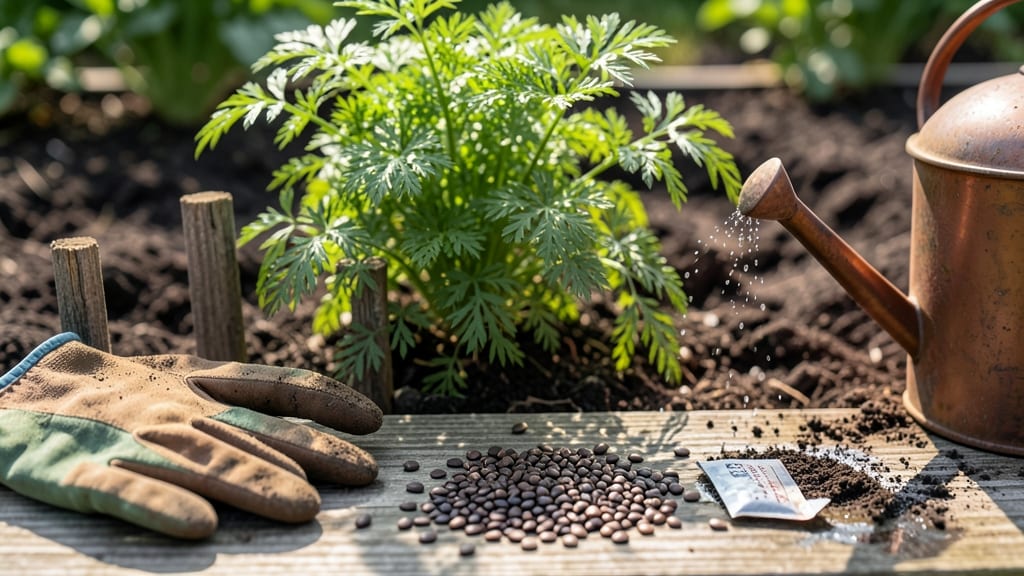
Planting carrots in the fall is your golden ticket to sweeter, crispier roots—if you time it just right. Missing that 4-6 week window before your first frost could mean woody, bitter harvests or worse, a total loss.
The secret lies in knowing exactly when to sow seeds so they mature before winter sets in.
For most gardeners in Zone 6a, the ideal window opens around mid-August and closes by early October. This timing gives your 🥕 roots enough cool weather to grow without bolting or turning tough.
But don’t worry—even if you’re not in Zone 6a, I’ll show you how to adjust for your local frost dates.
Why bother with fall planting? Cooler temperatures mean fewer pests, richer flavors, and a head start on next year’s garden. Plus, harvesting before frost ensures you’ll enjoy homegrown carrots long after summer’s heat fades. Let’s break down the exact steps to get it right.
From soil prep to variety selection, I’ll cover everything you need to know to avoid common mistakes. Whether you’re a first-time gardener or a seasoned pro, these tips will help you grow the perfect fall crop—without the guesswork.
Best fall carrot planting weeks by USDA hardiness Zone (exact dates)
Timing your fall carrot planting is all about beating the frost while giving roots enough time to mature. In most regions, aim to sow seeds 4-6 weeks before your first expected frost date.
This window ensures carrots reach harvest size before cold temperatures harden the soil and stunt growth. For example, in USDA Zone 6a, that means planting between mid-August and early September.
Cooler fall temperatures actually improve carrot flavor by reducing sugar breakdown, but you’ll need to account for your local frost-free growing days.
Most varieties need 50-80 days to mature, so adjust your schedule based on whether you’re growing fast-maturing 'Paris Market' (50 days) or slower 'Danvers Half Long' (75 days).
Soil temperature matters just as much as air temperature. Carrot seeds germinate best in soil between 60-75°F, but they can still sprout in 50°F soil—just more slowly. If your soil cools too quickly, consider using a seedling heat mat or planting in black plastic mulch to maintain warmth.
Here’s how to calculate your exact planting window: Check your local average first frost date, subtract 60 days (ideal maturity time), then plant in two staggered batches—one 4 weeks before your calculated date and another 2 weeks later. This succession method extends your harvest season.
Regional differences are critical. Northern zones (like Zones 3-5) should plant late July to mid-August, while Southern zones (like Zones 8-10) can stretch planting until mid-October. Always verify your zone’s frost dates using the USDA Plant Hardiness Zone Map or local agricultural extension resources.
One common mistake is planting too late, assuming cooler weather will slow growth. In reality, carrots planted in September or later often struggle to mature before frost, resulting in small, woody roots.
The key is to start early enough but leave room for a second planting if your season is long.
For container gardeners, fall planting works too—but choose shorter varieties like 'Paris Market' (4-5 inches) to fit pots. Plant in deep containers (12+ inches) with well-draining soil, and move pots to a sunny, sheltered spot before frost.
Just remember, containers cool faster than in-ground beds, so protect them with burlap wraps or frost blankets.
Pro tip: Test your soil’s readiness by pressing a finger into it. If it’s too dry or rocky, carrots will fork or split. Amend with compost and sift out clods to ensure straight, smooth roots. A fine, loose texture is non-negotiable for fall carrots!
If you’re in a high-altitude area (e.g., Colorado, Utah), subtract 1-2 weeks from your planting window since cooler temperatures slow growth. Conversely, in humid Southern climates, watch for carrot rust fly—use floating row covers to protect seedlings until they’re established.
Best fall carrot planting weeks by USDA hardiness Zone (exact dates)
Timing your fall carrot planting depends on your USDA Zone and first frost date. Carrots need 50-80 days to mature, so aim to plant 4-6 weeks before your average frost date.
For example, in Zone 6a, where first frost hits around November 15, your window opens in mid-August and closes by early October.
In colder zones (like Zones 3-5), start even earlier—late July to early September—to account for shorter growing seasons. Warmer zones (like Zones 8-10) can extend planting until late October, but avoid sowing too close to frost, as cold soil can stunt growth.
Soil temperature matters too. Carrot seeds germinate best in soil that’s 50-70°F. Use a soil thermometer to check—if temps drop below 50°F, wait a week or two. Cool soil slows germination, leading to patchy seedlings.
| Zone | First Frost | Planting Window | Maturity Goal |
|---|---|---|---|
| Zones 3-5 | Mid-October | Late July–Early September | 60 days before frost |
| Zones 6-7 | Mid-November | Mid-August–Early October | 55-65 days before frost |
| Zones 8-10 | Late December | August–Late October | 70-80 days before frost |
Pro tip: Check your local frost dates using the USDA Plant Hardiness Zone Map or a frost calendar from your state’s agricultural extension office. For example, in Zone 5b, where frost hits around October 20, plant from late July to mid-September for a harvest before winter.
If you’re unsure about your exact frost date, err on the side of earlier planting. Carrots grown in cooler fall weather develop sweeter flavors and firmer textures than their summer counterparts.
Just avoid planting more than 6 weeks before frost, or your carrots may bolt or split due to rapid growth.
For gardeners in Zone 6a or warmer, late-September plantings can still yield harvests if protected with row covers or mulch. But always prioritize soil warmth—cold soil is the #1 reason fall carrot seeds fail to sprout.