
Plants
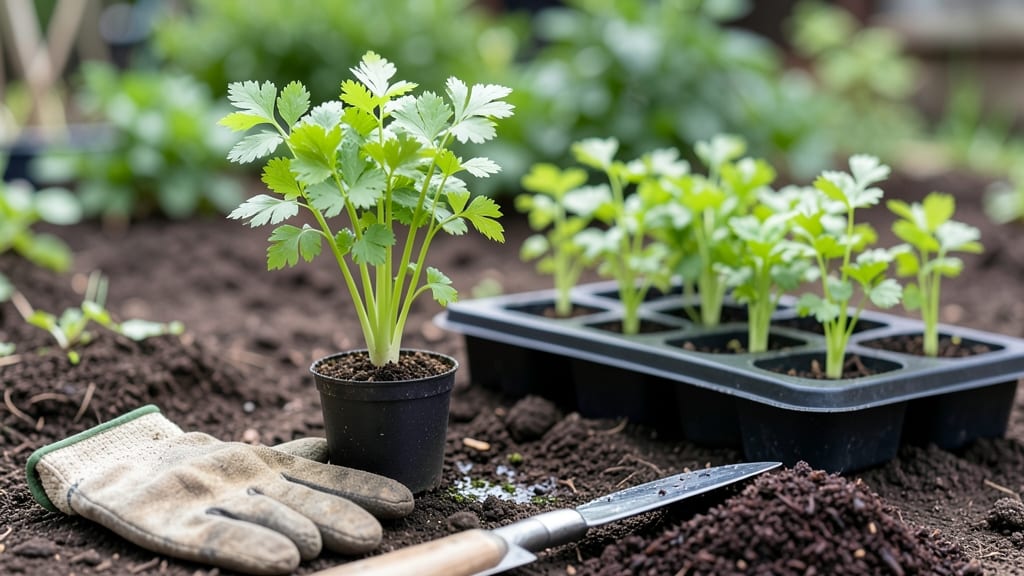
Timing your celery planting in Zone 6 can make or break your harvest—get it wrong, and you’ll end up with bitter stalks or stunted growth instead of crisp, flavorful 🥬.
The key lies in understanding how this cool-weather crop responds to soil temperatures and frost dates, which vary slightly between 6a and 6b.
For most gardeners in Zone 6, the sweet spot is planting celery 10-12 weeks before your last frost date, typically in early spring (March) or late summer (July).
This gives the plants enough time to mature before summer heat sets in, but not so early that they bolt or struggle in cold soil.
You might wonder whether to start seeds indoors or sow directly—both work, but transplants give you a head start.
I’ll break down the exact weeks to aim for, plus how to protect your crop if an unexpected frost sneaks in, so you can enjoy homegrown celery from late summer straight through fall.
Ready to avoid common mistakes and maximize your yield? Let’s dive into the precise planting schedule that’ll have your celery thriving, not just surviving, in Zone 6’s climate.

Optimal planting weeks before last frost in Zone 6 for celery success
Celery (Apium graveolens) loves cool weather but bolts in heat, making Zone 6 timing critical for crisp stems. The last frost typically hits mid-April to early May, so your planting window is narrow but precise.
For best results, aim to plant 10-12 weeks before your last frost date, which in Zone 6 means mid-February to early March for spring crops.
Direct sowing outdoors works best when soil temps reach 50°F (10°C), usually late March to early April. If you start seeds indoors 8-10 weeks earlier, you can transplant hardened seedlings after frost danger passes.
Fall planting is tricky in Zone 6—celery needs 90-150 days to mature, so seed in late July to early August for a harvest before first frost (mid-October).
Celery thrives in cool-season conditions, but hot summer temps cause bolting. In Zone 6, spring planting is your safest bet, with fall planting only viable in cooler microclimates. Always choose slow-bolting varieties like 'Tall Utah' or 'Golden Self-Blanching' for better success.
| Planting Method | Zone 6 Timeline | Key Conditions |
|---|---|---|
| Indoor Starts | Mid-February to early March (8-10 weeks before last frost) | Seedlings need 6+ hours of light daily; keep soil moist |
| Direct Sow Outdoors | Late March to early April (after soil reaches 50°F) | Sow ¼" deep, 12" apart; thin to 6" spacing |
| Transplant Seedlings | Early to mid-April (after frost danger passes) | Hardy seedlings tolerate light frost; water deeply post-transplant |
| Fall Planting (Risky) | Late July to early August (90-120 days before first frost) | Use row covers; harvest before temps drop below 40°F |
For Zone 6 gardeners, soil temperature is your best guide. Use a soil thermometer to confirm 50°F (10°C) before direct sowing. If temps fluctuate, opt for transplants instead—they establish faster and handle light frosts better. Always mulch heavily to retain moisture and moderate soil temps.
Celery needs consistent moisture to prevent bitter stems. In Zone 6, spring planting benefits from 1-2 inches of water weekly, while fall crops may need less as temps drop. Avoid overhead watering to prevent leaf diseases like early blight, which thrives in damp foliage.
If you miss the spring window, don’t despair—succession planting can still work. Sow every 2-3 weeks from March to early May for staggered harvests. Just ensure each batch gets full sun (6+ hours) and rich, moist soil amended with compost.
Avoid planting where parsnips or carrots grew last year to prevent disease.
In Zone 6, fall celery is a gamble but possible with cold protection. Use floating row covers to extend the season by 2-3 weeks and harvest before first frost.
Varieties like 'Winter Pasca' tolerate cooler temps slightly better than standard types. Always blanch stalks for crispness by tying outer leaves together before harvest.
Pro tip: Mark your frost dates using a garden journal or local USDA frost chart. In Zone 6, average last frost is April 15, but microclimates vary. Urban areas may frost later, while rural spots can freeze earlier. Adjust your planting schedule accordingly for foolproof results.
Celery’s long growing season means patience is key. In Zone 6, spring crops take 120-150 days to harvest, while fall plantings mature faster (90-120 days) due to shorter daylight. Plan ahead by starting seeds indoors or choosing fast-maturing varieties like 'Utah' or 'Golden Self-Blanching' for reliable harvests.
Remember: Celery hates heat. In Zone 6, summer planting after June 1 rarely succeeds—bolting turns stems bitter. Stick to cool-season windows, and you’ll enjoy crisp, sweet celery straight from your garden all season long. 🥬
Optimal planting weeks before last frost in Zone 6 for celery success
Celery is a cool-season crop that struggles when soil temperatures creep above 75°F, making timing critical in Zone 6. The ideal window is planting seeds 10-12 weeks before your last frost date, which for most of Zone 6 falls between late February and early April for spring crops.
For Zone 6a (colder microclimates), aim for March 1-15—soil should be at least 50°F—while Zone 6b gardeners can start slightly earlier, around late February. This timing ensures celery matures before summer heat arrives, preventing bolting or bitter flavor.
Direct sowing works, but transplants give you a head start. Start seeds indoors 8-10 weeks before last frost (early February for Zone 6b) and move hardened-off seedlings outdoors 2-3 weeks after your last frost date.
| Planting Method | Zone 6a Timing | Zone 6b Timing | Key Notes |
|---|---|---|---|
| Direct Sowing | March 15-April 1 | February 28-March 15 | Soil must be 50°F+; thin seedlings to 6" apart |
| Transplants | April 15-May 1 | March 31-April 15 | Hardened-off seedlings; mulch heavily |
| Fall Planting | July 15-August 1 | July 1-August 15 | Avoid bolting; use row covers for frost |
Fall planting is possible in Zone 6, but timing is tighter. Sow seeds 8-10 weeks before your first frost (typically July 15-August 1), targeting a 120-day harvest before temperatures drop below 40°F. Choose self-blanching varieties like 'Utah' or 'Tall Utah' for easier growth.
Always check your local frost dates—they can vary by 1-2 weeks even within Zone 6. Use a soil thermometer to confirm temperatures before planting; celery roots need consistent moisture and won’t thrive in cold, compacted soil.
Pro tip: Mulch heavily with straw to retain moisture and regulate soil temperature, especially during Zone 6’s hot summers. This simple step can extend your harvest window by 2-3 weeks.