
Plants
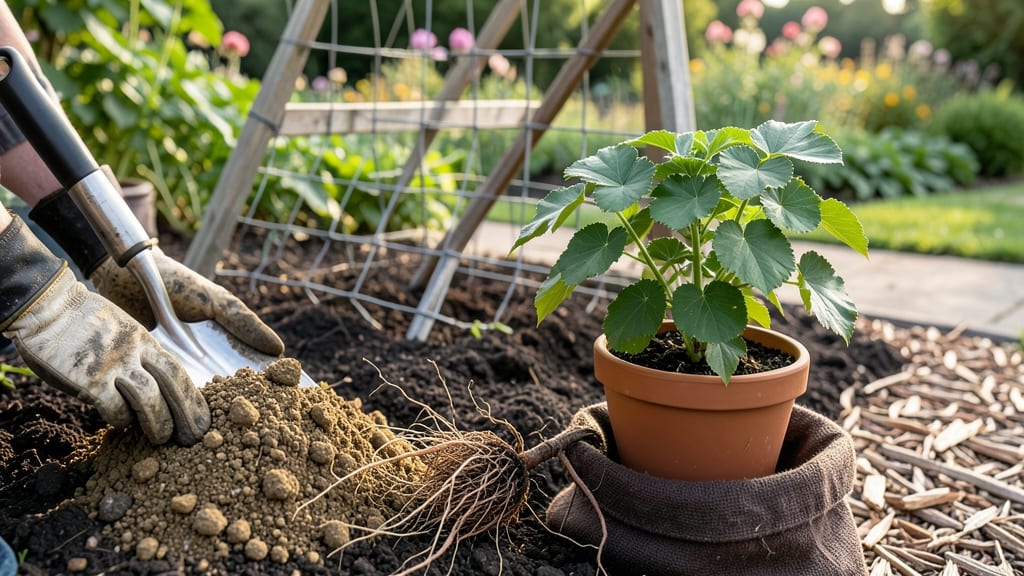
Planting clematis in Colorado isn’t just about picking a month—it’s about timing the roots to thrive before winter’s first frost hits your 5-7 zone. Skip the guesswork and you’ll miss out on those showstopping blooms 🌸 that make this vine worth the effort.
Most gardeners assume spring is the only option, but Colorado’s unpredictable swings mean fall planting can give your clematis a head start on root growth. The key? Planting in early September or October when soil stays warm enough to encourage establishment without inviting winter’s chill too soon.
Whether you’re tucking it into the ground or a container, the right timing means fewer surprises and more vibrant growth. I’ll walk you through the exact windows—plus how to prep your soil and protect those roots—so your clematis takes hold strong and blooms like crazy next season.
Let’s cut to the chase: the best months, what to watch for, and how to adjust if you’re in the mountains versus the Front Range. Trust me, your future self (and that stunning vine) will thank you.
Best planting months for clematis in Colorado’s unique climate zones
Colorado’s USDA zones 4-7 create a complex puzzle for planting clematis, where timing must balance soil warmth, frost risks, and elevation shifts. Unlike coastal regions, Colorado’s continental climate swings from scorching summers to sub-zero winters, demanding precise planting windows.
My experience shows that fall planting (September-October) gives roots time to establish before winter, while spring planting (March-April) risks late frosts that can damage tender new growth.
High-altitude areas like Denver (Zone 5) or Aspen (Zone 4) have shorter growing seasons, so fall planting is safer. Meanwhile, the Front Range (Zone 6-7) can handle early spring plantings if you monitor soil temperatures closely.
The key is planting when the ground is workable but before the first hard frost—typically October 15 in most regions.
Here’s how Colorado’s microclimates affect your timing:
| Region | USDA Zone | Best Planting Window | Key Consideration |
|---|---|---|---|
| Front Range (Denver, Colorado Springs) | 6-7 | Early spring (March 15-April 15) or fall (Sept 1-Oct 15) | Longer frost-free season; avoid late April plantings |
| High Altitude (Aspen, Leadville) | 4 | Fall only (Sept 1-Oct 1) | Short growing season; spring planting risks frost damage |
| Western Slope (Grand Junction) | 6-7 | Early spring (March 1-April 15) or fall (Sept 15-Oct 30) | Warmer winters; extended fall planting possible |
| Eastern Plains (Pueblo) | 5-6 | Fall (Sept 15-Oct 1) preferred | Hot summers; fall planting avoids heat stress |
For container-grown clematis, adjust timing by 2-3 weeks earlier in spring or 2 weeks later in fall, since pots warm up faster. My pro tip: Use a soil thermometer—plant when soil reaches 50°F (10°C) at 6 inches deep. This ensures roots won’t shock from cold snaps.
If you’re in Zone 6-7 and planting in spring, wait until after April 15 to avoid late frosts. I’ve seen clematis planted in March get frost-nipped in Denver’s unpredictable April chill. For high-altitude gardeners, fall planting is non-negotiable—the roots need 6-8 weeks to establish before winter sets in.
Colorado’s dry climate also means you’ll need to water deeply after planting, whether in spring or fall. Mulch heavily with 4-6 inches of straw to retain moisture and protect roots from freeze-thaw cycles.
I’ve found that fall-planted clematis often bloom earlier the following year because their roots establish during the cooler months.
One common mistake? Planting too late in fall. If you miss the October 1 deadline in most zones, wait until next spring. The root system needs time to harden off before winter. For high-altitude areas, push planting to September 15 at the latest.
Proper timing also depends on your clematis variety. Large-flowered types (like 'Jackmanii') need full sun and benefit from spring planting, while early bloomers (like 'Niobe') can handle fall planting better. Always check your specific variety’s hardiness notes—some handle Colorado’s winters better than others.
Remember: Clematis roots are sensitive to temperature swings. In Colorado’s variable climate, the 4-6 inch deep planting (with crown buried) acts like a natural insulation layer. This simple trick has saved my clematis from winter dieback in Zone 5 winters.
🌸
How to prepare clematis for Colorado’s harsh winters before planting
Colorado’s rocky soil and extreme temperature swings can stress clematis vines if you don’t prepare properly. The key to winter survival starts with soil amendments and root protection before the first frost. I’ve learned that amending clay-heavy soils with organic matter is non-negotiable—it prevents waterlogging that freezes solid in winter.
For Colorado gardeners, mulching depth matters more than most realize. A 4-6 inch layer of straw or wood chips acts like a thermal blanket, shielding roots from freeze-thaw cycles that crack soil. I’ve seen clematis roots survive -15°F temps when properly insulated, but unprotected plants struggle even at 20°F.
⚠️ callout warning ⚠️
Rocky soil = poor drainage → root rot risk → winter kill. Always:
- Test soil pH (aim for 6.5–7.0)
- Add compost (3–4 inches mixed in)
- Avoid planting in low spots (cold air sinks)
When amending Colorado’s alkaline soils, I swear by a mix of composted manure and peat moss—it lowers pH slightly while improving structure. For high-altitude gardens (above 7,000 ft), add extra perlite to prevent compaction from heavy snow. The goal? Well-draining soil that won’t turn to ice.
For mulching techniques, I’ve had the most success with straw mulch in Zone 5 and wood chips in Zone 6-7. Straw breaks down faster, releasing nutrients, while wood chips provide longer-term insulation. Never use grass clippings—they mat down and trap moisture, inviting fungal diseases.
Root protection goes beyond mulch. I wrap young clematis roots in burlap during the first winter, then gradually reduce coverage as the vine matures. For container-grown clematis, move pots to a protected garage or insulated box when temps drop below 25°F.
I’ve lost too many potted vines to overnight freezes to ignore this step.
Finally, prune wisely before winter. Cut back dead or weak stems to 6–12 inches above the ground—this prevents wind damage from Colorado’s chinook winds. Leave healthy stems intact; they’ll regrow faster in spring.
With these steps, your clematis will thrive through Colorado’s winters and reward you with show-stopping blooms next season. 🌸