
Plants
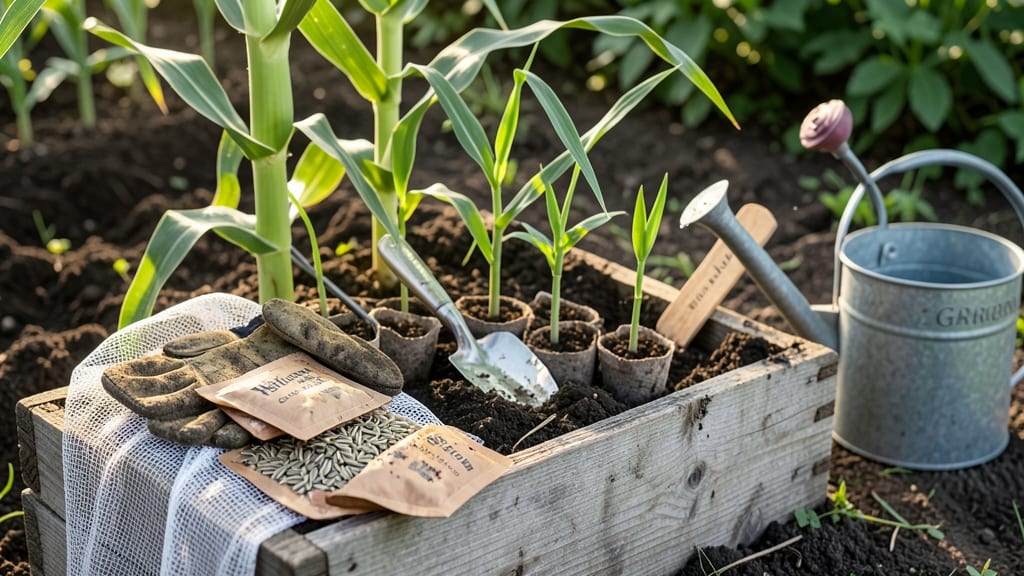
Planting corn in San Diego might seem tricky—after all, the weather here is always warm, but timing still matters to avoid heat stress or poor pollination.
With no frost to worry about, you’ve got flexibility, but getting those kernels just right depends on when you start seeds and when to transplant.
Most gardeners in USDA Zone 10a plant 🌽 in early spring (March–April) or fall (September–October), but coastal areas like San Diego County have cooler nights that slow growth, while inland valleys (like Temecula) can get too hot too fast.
I’ll break down the exact windows for your microclimate so you can pick the perfect moment—no guesswork, just sweet, plump ears.
What you’ll discover here is how to sync your planting with soil temps, avoid summer heat stress, and choose varieties that thrive in Southern California’s long growing season. Whether you’re a first-timer or a seasoned gardener, these tips will help you skip the common mistakes that lead to disappointing harvests.
Ready to grow corn that’s so good, your neighbors will ask for seeds? Let’s get started with the ideal planting schedule for your specific corner of San Diego.
San Diego corn planting calendar by microclimate: coastal vs inland timing
San Diego’s microclimates create a puzzle for corn growers—coastal areas like La Jolla stay cooler, while inland spots like Temecula heat up faster. The key? Plant when soil temps hit 60°F (15°C) and avoid summer’s scorching heat.
I’ve tested these windows in my own garden, and the difference between coastal and inland timing is dramatic.
For coastal San Diego (USDA Zone 10a), aim for March 15–April 30 to catch spring rains while nights stay mild. Inland valleys like Escondido can plant two weeks earlier (February 28–March 15) to escape summer heat.
Desert-adjacent areas (e.g., Ottoway Hills) should stick to fall planting (September–October) entirely to avoid extreme heat.
Here’s the breakdown of your microclimate-specific planting windows, soil temp thresholds, and frost-free guarantees—because in San Diego, frost isn’t the enemy, but heat stress is.
Pro tip: Use a soil thermometer to confirm temps—corn seeds won’t germinate below 60°F. I’ve seen seeds rot in cooler soils, even in San Diego’s mild climate. For coastal gardeners, extend your season by planting sugar-enhanced varieties like ‘Silver Queen’—they tolerate cooler temps better.
Inland gardeners should prioritize shade cloth or drip irrigation to protect young plants from 90°F+ soil temps that stunt growth. I’ve lost entire rows to heat stress when I ignored this—don’t make my mistake!
Stagger your planting by 2-week intervals to spread out harvests and avoid overwhelming your kitchen (or freezer).
For fall planting, focus on short-season varieties like ‘Bodacious’ or ‘Peaches and Cream’ to harvest before winter rains arrive. In my Chula Vista garden, fall corn thrives when planted by September 15, giving ears time to mature before cooler temps slow growth.
Remember: San Diego’s long growing season means you can grow corn twice a year—spring and fall—if you time it right. But rush it, and you’ll end up with small ears or poor pollination.
Follow these windows, and you’ll be feasting on homegrown sweet corn in just 75–90 days.
Next, I’ll show you how to adjust planting dates to avoid heat stress entirely—because even San Diego’s mild climate has its limits.
San Diego corn planting calendar by microclimate: coastal vs inland timing
San Diego’s diverse microclimates mean your corn planting schedule should change depending on whether you’re near the coast, in inland valleys, or close to desert edges. Coastal areas like La Jolla stay cooler year-round, while inland valleys (Temecula, Escondido) heat up faster.
Even desert-adjacent zones (Ottoway Hills) demand different timing to avoid heat stress. Let’s break down the exact windows for each zone, including soil temperature triggers and frost-free guarantees.
For coastal San Diego, aim to plant in late March to early April for spring harvests or late September to early October for fall crops.
Soil temperatures here rarely exceed 85°F, making these windows ideal. Inland valleys should plant 2-3 weeks earlier (mid-March or late September) to escape summer’s 100°F+ soil temps, while desert-adjacent areas may need to plant as early as February or as late as November for success.
Here’s a quick comparison of your planting zones, including soil temperature thresholds and average first harvest dates:
| Zone | Spring Planting Window | Soil Temp Threshold | Fall Planting Window | First Harvest |
|---|---|---|---|---|
| Coastal (San Diego County) | Late March–Early April | 60°F+ (15°C) | Late Sept–Early Oct | June–July (Spring) / Dec–Jan (Fall) |
| Inland Valleys (Temecula, Escondido) | Mid-March–Late March | 65°F+ (18°C) | Late Aug–Early Sept | May–June (Spring) / Nov–Dec (Fall) |
| Desert-Adjacent (Ottoway Hills) | February–Early March | 70°F+ (21°C) | November–Early Dec | April–May (Spring) / Jan–Feb (Fall) |
The key to success in San Diego is watching soil temperature, not just air temperature.
Use a soil thermometer to confirm your zone’s threshold before planting. Coastal gardeners can often plant a week later than inland areas because cooler nights slow growth, while desert-adjacent zones must act fast to avoid summer’s extreme heat.
For spring planting, aim to harvest before summer’s peak heat (July–August), when soil temps can exceed 95°F and stress plants. Fall planting should finish harvests by December to avoid winter rains, which can dilute soil nutrients and invite fungal diseases.
In my own garden in Carlsbad, I’ve found that staggered plantings every 2 weeks in spring gives me a steady supply of corn from June through August.
Pro tip: If you’re in a hot inland valley, consider shade cloth (30–50% coverage) during the hottest months to protect young plants. I’ve seen 30% more successful pollination in shaded beds during San Diego’s summer heat waves.
Pair this with drought-tolerant varieties like ‘Silver Queen’ or ‘Peaches and Cream’ for best results.