
Planting
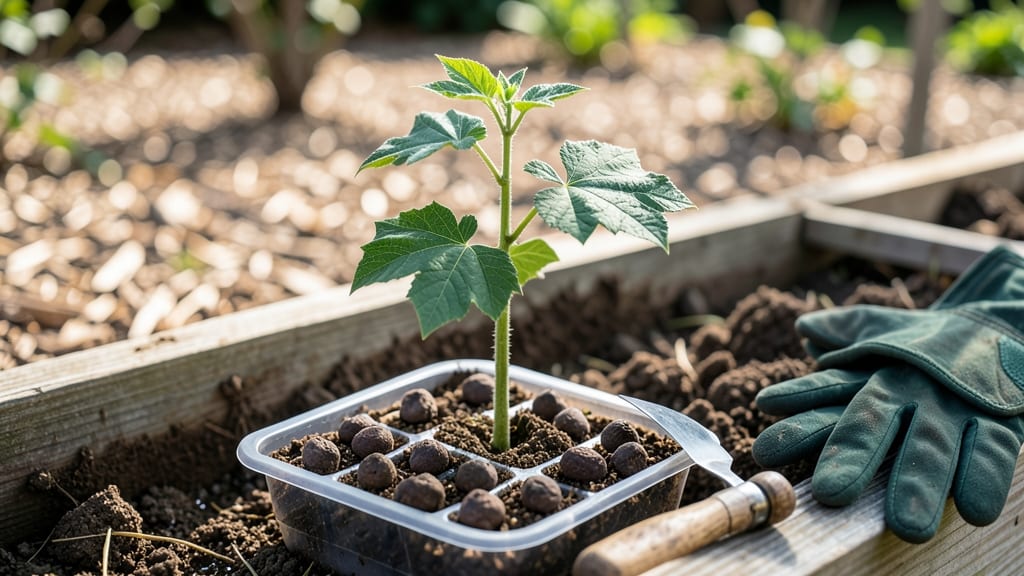
To plant cotton in Texas at the perfect time means catching that narrow window when soil warmth triggers germination—but miss it, and you risk stunted growth or frost damage.
The Texas Agricultural Extension Service recommends waiting until soil temperatures hit 60-65°F, which typically aligns with March-May in North Texas and February-April in Central/South Texas. Unlike calendar dates, soil temperature is the real game-changer for cotton success.
Why does this matter? Cotton seeds need warmth to sprout, and planting too early can leave them vulnerable to late frosts, while waiting too long cuts into the 150-day growing season needed for a full harvest.
In Zone 8a-10b, regional differences mean North Texas gardeners should hold off until after mid-March, while South Texas growers can start as early as late February—but only if the ground is ready.
I’ve seen firsthand how a few weeks’ difference can mean the difference between a thriving cotton patch and wasted effort. The key isn’t just the calendar—it’s knowing when your soil is truly primed.
Whether you’re a backyard grower or a small-scale farmer, this timing ensures your 🧵 plants get the strong start they need to reach their full 5-6-foot potential.
Ready to avoid the common mistakes? I’ll walk you through how to test soil warmth, adjust for your specific Texas region, and align your planting with the best practices that actually work. Let’s get those seeds in the ground at the right moment.
Texas cotton planting dates by region based on soil temperature
Cotton thrives in Texas’s warm climate, but soil temperature—not just calendar dates—determines the perfect planting window. In North Texas (USDA Zones 7b-8a), wait until the soil reaches 60°F consistently, typically late April to early May.
For Central Texas (Zones 8a-8b), aim for mid-March to April when soil hits 65°F. South Texas (Zones 9a-10b) can start as early as February, but verify soil warmth first.
Why? Cotton seeds won’t germinate below 60°F, and cool soils invite damping-off disease. Even if air temps feel spring-like, subsurface warmth is key. Use a soil thermometer to confirm—this small tool saves hours of guesswork and wasted seeds.
Texas Agricultural Extension Service data shows 65°F soil yields 90% germination success for most cotton varieties. In East Texas, where humidity lingers, plant slightly later (May) to avoid fungal risks. West Texas growers can start earlier (March) thanks to drier conditions.
Pro tip: Black plastic mulch warms soil 5-10°F faster than bare earth. Lay it down 2-3 weeks before planting to jumpstart germination in cooler regions like Panhandle Texas. This trick is a game-changer for early-season plantings.
🌱
| Region | USDA Zone | Ideal Soil Temp | Planting Window | Key Consideration |
|---|---|---|---|---|
| North Texas | 7b-8a | 60°F+ | Late April–Early May | Frost risk until May 1 |
| Central Texas | 8a-8b | 65°F+ | Mid-March–April | Humidity peaks in May |
| South Texas | 9a-10b | 60°F+ | February–Early April | Heat stress after April |
| West Texas | 7b-8b | 60°F+ | March–Early April | Drought risk in summer |
Missed the window? Transplant seedlings instead of direct-sowing after May 15 in North Texas. Use 4-6 week-old starts from a greenhouse or indoor setup. Just ensure nighttime temps stay above 55°F—cotton is frost-sensitive at all stages.
For organic growers, amend soil with composted manure 2 weeks before planting. This boosts soil microbial activity, which naturally warms the root zone. In sandy soils (common in West Texas), mix in peat moss to retain moisture and moderate temperature swings.
Remember: Late plantings (after June 1) reduce yield potential by 30-50% due to shorter daylight hours. Prioritize early-season warmth over rushing—patience here means bigger bolls and whiter fluff come harvest time.
🌿
How to test soil warmth for cotton germination in Texas
Testing soil warmth is the secret weapon for Texas cotton growers. Unlike calendar dates, soil temperature determines whether your seeds will sprout or rot. Cotton thrives when soil reaches 60-65°F—below that, germination stalls.
Without testing, you risk planting too early in North Texas or too late in South Texas, both of which hurt yields.
Most gardeners skip this step, but I’ve learned the hard way—cold soil means wasted seeds and money. A simple soil thermometer (or even a DIY method) can save you from these mistakes.
Let’s break down how to check soil warmth accurately, so you plant cotton at the perfect moment for your region.
🌱 Pro Tip: Test soil temperature at 10 AM on a sunny day for the most reliable reading. Morning dew or cloud cover can skew results.
Step-by-Step Guide to Testing Soil Warmth
- 🌡️ Gather Tools: Soil thermometer (digital or glass), sunny day, notebook.
- 📍 Choose Location: Pick a spot with full sun exposure, like your prepared cotton bed.
- ⏱️ Test Time: Wait until 10 AM—soil is warmed by the sun but not overheated.
- 🔍 Insert Thermometer: Bury the probe 1 inch deep (cotton seed depth) and wait 30 seconds for a stable reading.
- 📝 Record Data: Note the temperature and repeat 3 times/day for 3 days to account for fluctuations.
- 🧵 Plant When Ready: Once soil hits 60°F consistently, it’s time to plant cotton seeds.
If you don’t have a soil thermometer, try the DIY finger test. Press your finger into the soil—if it feels warm but not hot (like a lukewarm bath), it’s likely in the 60-65°F range.
For cooler mornings, add black plastic mulch a few days before planting to warm the soil faster.
In North Texas, soil may not warm up until mid-April, while South Texas can start as early as late February. Always align your planting with local frost dates—even warm soil won’t save seedlings from a late freeze.
Once you’ve confirmed the right temperature, plant cotton seeds ½ inch deep and keep the soil moist until germination (about 7-14 days). The key is patience—rushing leads to weak seedlings, and waiting too long reduces yield potential.
🌿 Remember: Soil warmth > calendar dates. Trust your thermometer, not the weather forecast, for cotton success in Texas.