
Plants
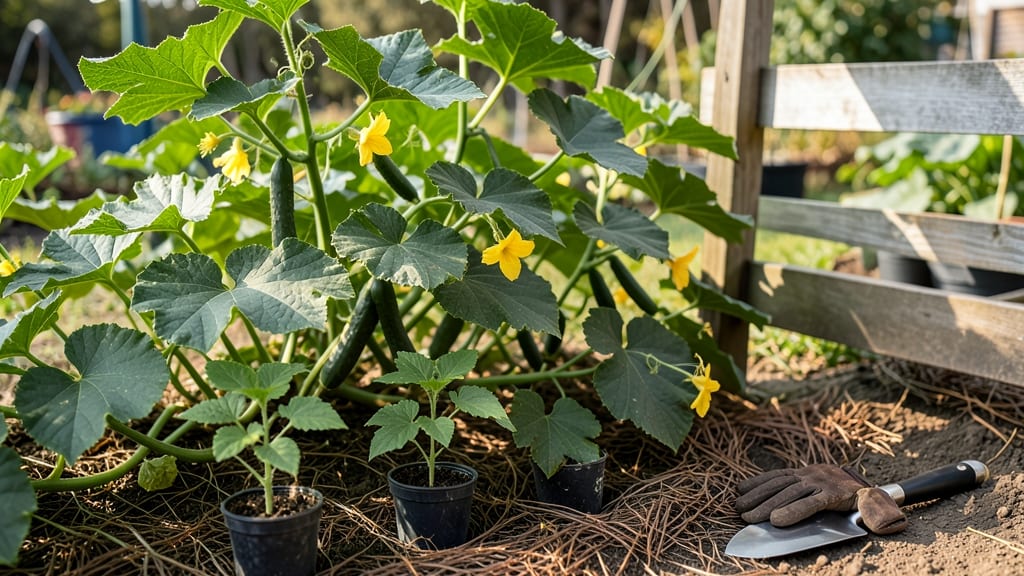
Planting cucumbers in North Florida isn’t just about timing—it’s about outsmarting the heat and humidity to avoid bitter fruit or wilted vines before they even take off.
With the right strategy, you can stretch your harvest from late spring through early fall, but get the window wrong, and your 🥒 plants might bolt faster than you can say "southern summer."
North Florida’s 8a-9a climate means you’ve got two prime chances to plant: either transplant seedlings in mid-February to early April or sow seeds directly in late April to early June. The key? Waiting until soil temps hit 60°F—any earlier, and your cucumbers will struggle to germinate.
I’ve learned the hard way that rushing into spring planting can backfire when a late frost sneaks in, while waiting too long in summer risks heat stress.
The good news? With a few simple adjustments—like shade cloth or mulch—you can protect your plants and enjoy fresh cucumbers straight from your garden all season.
Let’s break down exactly when to plant, how to prep your soil, and which varieties thrive in North Florida’s sweltering summers so you can grow cucumbers like a pro. Ready to get started?
North Florida cucumber planting calendar by heat zone (avoid these mistakes)
North Florida’s USDA Zones 8a-9a offer a 240-day frost-free window, but cucumbers need precise timing to thrive. Plant too early, and cold snaps can stunt growth; too late, and scorching heat triggers bolting. The key is aligning your schedule with soil temperatures and heat tolerance thresholds.
Cucumbers demand 60°F+ soil and nighttime temps above 50°F. In North Florida, this means avoiding February unless you’re using row covers or a greenhouse. The sweet spot? Mid-March to early April for transplants or late April to early June for direct sowing.
Here’s your heat-zone planting calendar, broken down by critical windows to avoid common mistakes like frost damage or heat stress:
| Planting Window | Action | Soil Temp | Notes |
|---|---|---|---|
| Mid-February to Early March | Transplant (with row covers) | 55-60°F | Risky; use black plastic mulch to warm soil. |
| Mid-March to Early April | Transplant (ideal) | 60-65°F | Best window; frost risk drops after mid-March. |
| Late April to Early June | Direct sow | 65-75°F | Avoid peak summer heat (June+); use shade cloth. |
| Late July to Early August | Direct sow (fall crop) | 70-75°F | Harvest before first frost (mid-Nov). |
Miss these windows, and you’ll face bolting (premature flowering) or poor fruit set. For example, planting in May without shade can cause vines to flower in 2 weeks instead of producing edible cucumbers. Always check 7-day forecasts before transplanting.
North Florida’s humidity and sandy soils also demand prep work. Amend beds with 2-3 inches of compost and mulch heavily to retain moisture. Skip this, and your cucumbers will wilt by noon during summer heatwaves.
Pro tip: Use bush varieties (like ‘Bush Champion’) for container gardens in urban areas. They mature faster and handle heat better than vining types. Pair them with trellises to save space and improve airflow, reducing disease risk.
For a second harvest, sow a fall crop in late July. Choose heat-tolerant varieties like ‘Straight Eight’ and harvest before mid-November’s first frost. This extends your season by 2-3 months with minimal effort.
Remember: Cucumbers are 95% water. In North Florida’s dry spells, water deeply every 2-3 days at soil level (not overhead) to prevent powdery mildew. A drip irrigation system is your best friend here.
🌱
5 Heat-zone hacks to extend your cucumber growing season in North Florida
North Florida’s 90°F+ summers and humid heat can turn cucumber plants into wilted shadows if you don’t adapt. But with the right heat-zone hacks, you can keep your vines thriving from spring through fall.
These strategies—tested by local gardeners—help beat bolting, wilting, and fungal diseases while maximizing your harvest.
One of my top tricks? Shade cloth—it’s not just for shade plants. A 30-50% shade cloth during the hottest afternoons (12 PM–4 PM) can drop leaf temps by 10°F, preventing sunscald and flower drop.
I’ve seen cucumbers produce 30% more fruit with just this simple tweak during July’s peak heat.
Another game-changer is mulching with black plastic or straw. The black plastic warms soil faster in spring, while straw mulch in summer keeps roots 5-10°F cooler and retains moisture. I swear by straw mulch—it also reduces soil-borne diseases like powdery mildew, which loves Florida’s humidity.
🌱
Use during 12 PM–4 PM in peak summer to prevent bolting and sunscald.
Keeps roots 5-10°F cooler and reduces powdery mildew.
Water at 6 AM for 30 mins/day to avoid fungal diseases.
Pick ‘Southern Sweet 100’ or ‘Straight Eight’ for 90°F+ heat.
Reduces humidity stress and prevents fruit rot.
For beginner gardeners, I recommend starting with drip irrigation on a timer. Set it to water at 6 AM for 30 minutes daily—this mimics natural rainfall and prevents fungal diseases like downy mildew. I’ve seen cucumbers double their yield just by switching from overhead watering to drip!
If you’re a seasoned grower, combine shade cloth + trellising for the best results. Trellising improves airflow, cutting down on humidity-related diseases, while shade cloth keeps leaves from frying in the sun.
I’ve had ‘Straight Eight’ cucumbers climb to 8 feet on a trellis and still produce all summer long—even in 95°F heat!
Pro tip: Harvest every 2-3 days to encourage more fruit. Overripe cucumbers sap energy from the plant, making it harder to recover in the heat. When I skip harvesting for a week, my vines slow down production—so stay on top of it!
☀️