
Plants
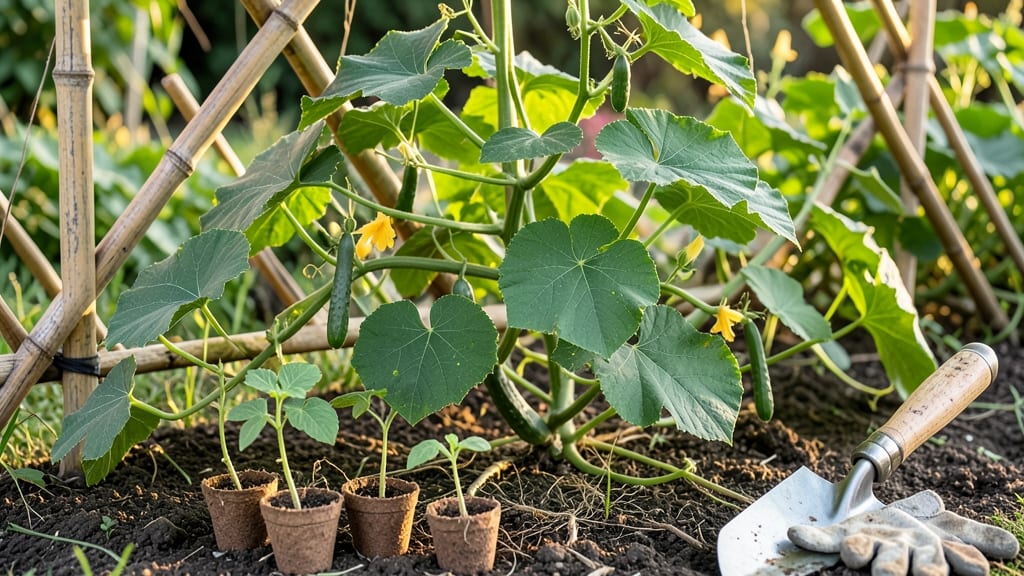
Planting cucumbers in Zone 9b’s scorching heat isn’t just about timing—it’s about outsmarting the sun to grow crisp, sweet 🥒 instead of bitter, wilted failures. The key? Starting them in late winter or early spring when soil temperatures hit 60°F, long before the thermometer climbs into triple digits.
Most gardeners in Phoenix or Southern California deserts make one big mistake: waiting too long. By the time summer arrives, cucumbers bolt or produce poor fruit. But with the right schedule—February to March for spring plantings—you’ll beat the heat and enjoy harvests from April through June.
I’ll show you exactly how to time your plantings, whether you’re using seeds or transplants, and how to keep your vines thriving even when temperatures soar. No more guesswork—just a high-yield, heat-proof schedule tailored for Zone 9b.
Ready to grow cucumbers that actually taste fresh? Let’s dive into the step-by-step plan that works—no matter how hot it gets.

Best planting times for cucumbers in Zone 9b: heat tolerance breakdown
Zone 9b’s year-round warmth means cucumbers can grow almost anytime—but timing matters to avoid bitter fruit or heat stress. The ideal window is late winter through early spring when soil temps hover between 60°F and 70°F, giving plants a head start before summer’s peak heat.
Planting too early risks rot from cool, wet soils, while late spring plantings may struggle with intense afternoon sun.
For continuous harvests, I recommend two planting rounds: the first in February-March and a second in September-October to escape the hottest months. Fall plantings benefit from cooler nights and less evaporation, reducing the risk of powdery mildew and bolting.
Avoid summer plantings unless you’re using shade cloth—direct sun above 90°F can turn cucumbers seedy and bitter.
Here’s the heat tolerance breakdown for cucumbers in Zone 9b, including soil temp thresholds and ideal planting windows:
| Season | Planting Window | Soil Temp (°F) | Heat Risk | Key Tip |
|---|---|---|---|---|
| Late Winter | February - Early March | 60°F - 70°F | Low | Start seeds indoors 2-3 weeks before transplanting. |
| Spring | March - April | 65°F - 75°F | Moderate (afternoon heat) | Use shade cloth for seedlings if temps exceed 85°F. |
| Summer | Avoid (unless shaded) | Above 80°F | High (bitter fruit risk) | Only plant with 50% shade cloth and frequent watering. |
| Fall | September - October | 60°F - 70°F | Low | Best for second harvest before winter chill. |
To test soil readiness, stick a soil thermometer 2 inches deep—cucumbers thrive when temps are consistently above 60°F. In my Zone 9b garden, I’ve found that March plantings yield the sweetest cucumbers because the plants mature before the June-July heatwave hits.
If you’re in a desert microclimate (like Phoenix), aim for early March to avoid the 100°F+ afternoons.
Another pro tip: Hardening off seedlings for 7-10 days before transplanting reduces shock. Acclimate them gradually to direct sun and wind by placing them outside for a few hours daily, then increasing exposure.
This is especially critical in Zone 9b, where intense sun can scorch tender young plants. Use drip irrigation or soaker hoses to keep foliage dry and prevent sunburn.
Watch for bolting—when cucumber plants flower prematurely due to heat stress. If your seedlings start sending up long stems with yellow flowers before producing leaves, they’re bolting. To prevent this, mulch heavily with straw or wood chips to keep roots cool and water deeply in the morning.
Some gardeners swear by shade cloth (30-50%) during the hottest hours to buy time for fruit set.
For container gardening in Zone 9b, choose 5-gallon pots or larger to accommodate sprawling vines. Plant in late February and move containers to partial shade by May. Container-grown cucumbers dry out faster, so check soil moisture daily—stick your finger 1 inch deep.
If it’s dry, water until it runs out the drainage holes. This method also lets you rotate pots to ensure even sun exposure.
One common mistake in Zone 9b is over-fertilizing with nitrogen, which promotes leafy growth at the expense of fruit. Instead, use a balanced 5-10-10 fertilizer at planting and again in early April. Too much nitrogen = fewer cucumbers, more foliage. I’ve also had success with
Best planting times for cucumbers in Zone 9b: heat tolerance breakdown
In Zone 9b, where summers can blast past 100°F, cucumbers need precise timing to thrive. Plant too early, and they’ll bolt from the heat; too late, and you’ll miss the cooler shoulder seasons.
The ideal window spans February to early April, when soil temps hover between 60-75°F—perfect for germination without stressing young plants.
Spring planting (late February–March) gives cucumbers time to mature before summer’s peak. For a fall harvest, aim for September sowing, letting them establish roots before temperatures drop. Avoid summer planting unless you’re using shade cloth—direct sun above 90°F causes bitter fruit and poor pollination.
Soil temperature is your best guide: cucumbers won’t germinate well below 60°F or above 90°F. Use a soil thermometer to check—wait until readings stabilize in the 70-80°F range for consistent sprouting. Pro tip: Soak seeds overnight to kickstart germination in hot, dry soil.
| Season | Planting Window | Soil Temp (°F) | Key Tips |
|---|---|---|---|
| Spring | Late February–Early April | 60–75°F | Use row covers for early starts; mulch to retain moisture. |
| Fall | Late August–September | 70–80°F | Choose heat-tolerant varieties; harvest before temps drop below 60°F. |
| Summer (Risky) | June–July (with shade) | Above 90°F (not ideal) | Use 30–50% shade cloth; water deeply at soil level. |
Watch for heat stress signs like yellowing leaves or curled vines—these mean it’s time to provide afternoon shade or increase watering frequency. In Zone 9b’s dry heat, cucumbers need 1–2 inches of water weekly, delivered at the base to avoid fungal diseases like powdery mildew.
Drip irrigation is your best friend here.
For container growers, start seeds 4–6 weeks before last frost (though Zone 9b rarely has frost) and move pots to partial shade during peak afternoon heat. Smaller varieties like 'Bush Champion' handle containers better than sprawling vines, reducing transplant shock.
Timing isn’t just about months—it’s about microclimates. South-facing beds heat up faster; east-facing spots offer gentler mornings. Test your garden’s heat zones by placing a thermometer in different areas for a week before planting. Adjust your schedule based on what you find.