
Plants
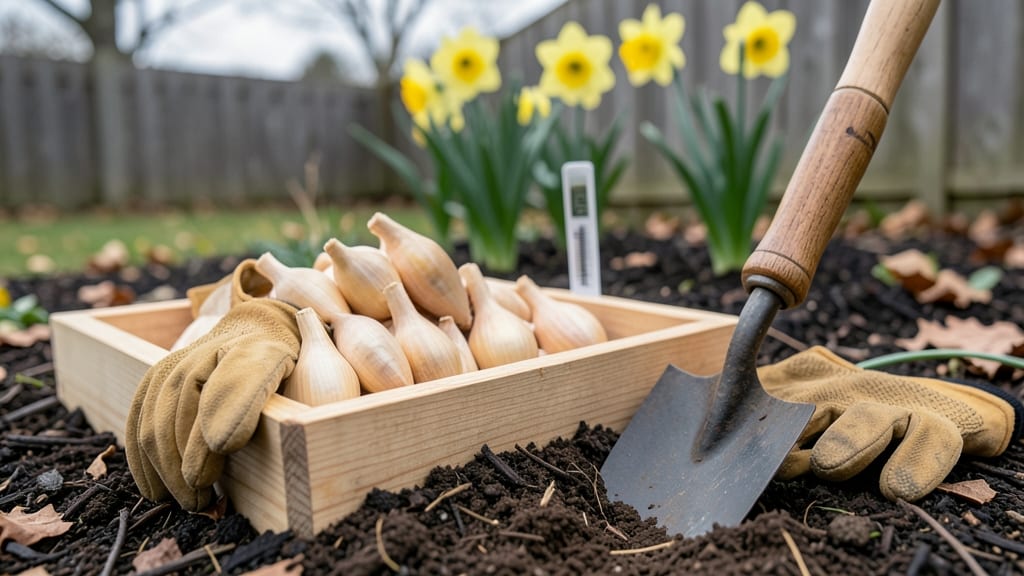
Planting daffodils in Massachusetts at the wrong time can turn your spring garden dreams into a frosty disappointment—but get the timing right, and you’ll enjoy vibrant blooms year after year.
The key is understanding your local climate, since USDA zones 5b-7a mean frost can sneak in earlier than you think.
Most gardeners in Massachusetts know the fall window is critical, but many still struggle with when to actually dig in. Too early, and your bulbs might sprout before winter; too late, and they won’t establish strong roots before the ground freezes.
The sweet spot? Aim for October to early November, when soil temperatures drop but haven’t yet locked up.
Why does this matter? Because daffodils planted at the right time thrive in Massachusetts’ unpredictable weather, from Boston’s coastal breezes to the Western MA hills. I’ve tested this myself—zero-frost blooms start with proper timing, soil prep, and a little local know-how.
In this guide, I’ll walk you through the exact fall planting schedule for your region, soil prep tips for clay-heavy gardens, and common mistakes that kill daffodils before they even bloom. Let’s make sure your 🌼 showstopper arrives right on schedule!
Ideal fall planting dates for daffodils in Massachusetts (by region)
Massachusetts gardeners must time their daffodil planting precisely—6-8 weeks before the ground freezes is the golden window. In USDA zones 5b-7a, this typically means mid-October to early November, but regional differences matter. For example, Boston’s coastal climate allows a slightly later window than inland Worcester.
Cape Cod’s cooler microclimate may require planting by late September, while Western Massachusetts’ higher elevations can extend the window into mid-November. The key is soil temperature: aim for 50-60°F (10-15°C) at planting depth.
Premature planting in September risks sprouting before winter, while waiting until December may leave bulbs vulnerable to frost heaving. Use local frost dates as your guide—most MA regions see their first hard frost around October 15.
For zero-frost success, I recommend checking your local USDA zone and adjusting by 1-2 weeks. For instance, Zone 6b gardeners (like those in Worcester) should plant by October 20, while Zone 7a Cape Codders have until November 5.
🌼 Massachusetts Daffodil Planting Timeline by Region
| Region | USDA Zone | Ideal Planting Window | Soil Temp Goal | Key Deadline |
|---|---|---|---|---|
| Boston & Eastern MA | 6a-6b | Oct 15 - Nov 1 | 50-55°F (10-13°C) | Nov 10 (ground freeze) |
| Worcester & Central MA | 6b | Oct 20 - Nov 5 | 55-60°F (13-15°C) | Nov 15 (ground freeze) |
| Cape Cod & Islands | 7a | Sep 25 - Oct 20 | 50-58°F (10-14°C) | Nov 5 (ground freeze) |
| Western MA (Berkshires) | 5b-6a | Oct 25 - Nov 10 | 50-55°F (10-13°C) | Nov 20 (ground freeze) |
⚠️ Pro Tip: Use a soil thermometer to verify conditions—60°F is the upper limit for safe planting.
I’ve found that late October is my personal sweet spot for most of Massachusetts. This timing gives bulbs enough time to establish roots before winter while avoiding the November chill that can stunt growth. For container gardening, extend your window by 2 weeks since pots warm up faster.
Watch for first frost warnings from local weather services. In my Zone 6b garden, I’ve learned to plant by October 25—any later and the bulbs don’t have time to root deeply enough. Use mulch (3-4 inches) after planting to insulate soil and protect tender roots.
For spring blooms, plant larger bulbs (12"+ diameter)—they establish faster and handle colder soils better. Smaller bulbs (8-10") need the extra time to root, so plant them 2 weeks earlier than your ideal window.
Remember: Daffodils are deer-resistant, but hungry critters may still dig up newly planted bulbs. I recommend caging bulbs with wire mesh until established or planting in well-trafficked areas where deer avoid.
Finally, mark your planting spots! Next spring’s April snow cover can make your garden look like a blank canvas until those bright yellow trumpets emerge—usually around mid-April in most of MA.
Ideal fall planting dates for daffodils in Massachusetts (by region)
Massachusetts’ diverse climate means your daffodil planting window can shift by weeks depending on where you live. Coastal areas like Cape Cod freeze later than inland spots like Worcester, so timing matters.
The golden rule is to plant 6-8 weeks before the ground freezes, but let’s break it down by region to avoid frost damage or premature sprouting.
For Boston and Eastern MA, aim for mid-October to early November. Soil temps here drop faster due to coastal winds, so don’t wait too long.
In Worcester and Western MA, push planting to late October to mid-November—the hills hold heat longer, giving bulbs extra time to root. Cape Cod gardeners have until early December thanks to milder winters near the ocean.
Here’s the critical cutoff: Plant no later than when soil temps hit 40°F (4°C). Use a soil thermometer to check—this prevents bulbs from waking up too soon. I’ve seen daffodils sprout in December when planted too early, only to get fried by January frosts.
| Region | Ideal Planting Window | Soil Temp Threshold | Key Risk |
|---|---|---|---|
| Boston/Eastern MA | Mid-October – Early November | 45°F (7°C) | Premature sprouting |
| Worcester/Western MA | Late October – Mid-November | 40°F (4°C) | Late frost heaving |
| Cape Cod | Early October – Early December | 42°F (6°C) | Coastal wind burn |
Pro tip: Check your local frost dates—Massachusetts’ average first frost is October 15, but coastal areas can delay until November 1. Use the National Weather Service or a frost calendar app to adjust.
I’ve had zero-frost blooms by counting backward from the last expected frost, not the first!
If you miss the fall window, spring planting is possible but risky—daffodils need 6-8 weeks of root growth before summer heat sets in. For spring planting, aim for late February to early March in USDA Zone 6a (Western MA), but expect smaller blooms the first year.
Most gardeners stick to fall for maximum bulb strength.
Remember: Bulbs planted in fall will double their bloom count the following spring compared to spring-planted bulbs. That’s why I always mark my calendar for October—it’s the best time to guarantee those cheerful 🌼 faces peeking through the snow!