
Plants
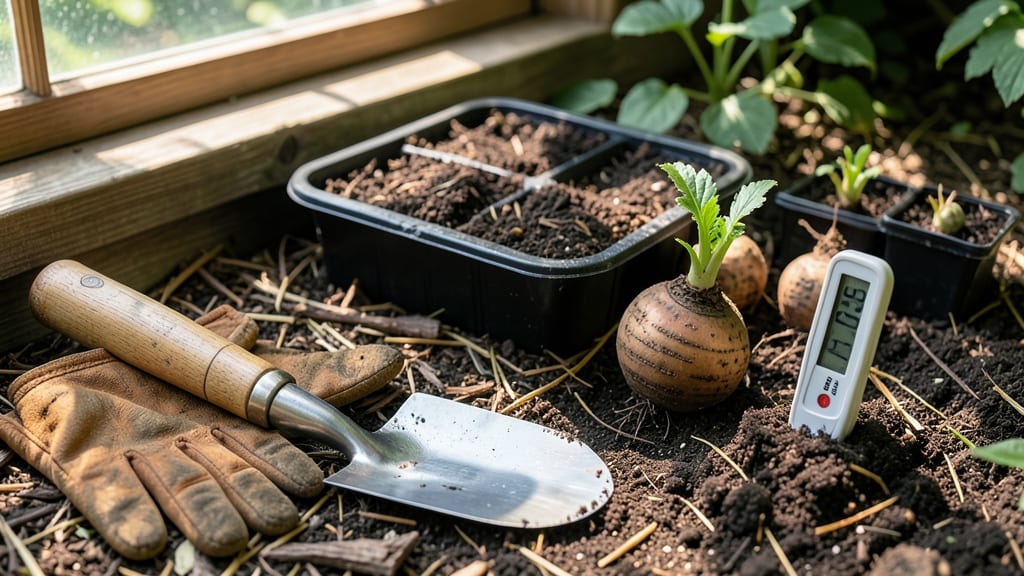
Planting your dahlias at the wrong time in Illinois could mean watching frost nip those delicate tubers before they even sprout—and nobody wants that.
The key to stunning 🌼 blooms from July to October starts with knowing exactly when to get those tubers in the ground, down to the week.
Here in zones 5-6, timing matters more than you might think. While the official last frost date hovers around mid-April, soil temperature and local microclimates can push your ideal window into early June.
I’ll break down the exact frost-free deadlines you need to follow, plus how to tell when your soil is truly ready for dahlias.
Whether you’re starting with tubers or seeds, the rules change slightly—and getting this wrong can delay your first blooms by weeks.
You’ll discover how to prep your soil for maximum growth, which varieties thrive in Illinois’ shorter season, and even how to extend your planting window if late frosts threaten your garden.
Let’s get those dahlias in the ground at the perfect moment so you can enjoy their vibrant colors all summer long—no wasted effort, just show-stopping flowers from July until frost. Ready to plant with confidence?
Illinois dahlia planting dates by Zone 5-6: exact frost-free timelines
Timing your dahlia tubers for Illinois’ Zone 5-6 climate requires precision—miss the window, and you’ll lose months of summer blooms to late frosts.
Most Illinois gardeners face last frost dates between April 15 (northern regions) and May 1 (southern regions), but soil temperature matters just as much as air temperature.
Dahlias thrive when soil reaches 60°F, which typically occurs 2-4 weeks after the last frost in Illinois. Planting too early risks cold soil damage, while waiting too long cuts bloom time short. Southern Illinois gardeners often have a 3-week advantage over northern regions—plan accordingly.
Here’s the exact planting timeline broken down by Illinois region, including soil temperature thresholds and backup planting windows for safety:
| Region | Last Frost Date | Ideal Planting Window | Soil Temp Threshold | Backup Window |
|---|---|---|---|---|
| Northern Illinois (Zone 5) | April 15–May 1 | May 10–June 1 | 60°F+ (consistent) | June 1–15 (late but possible) |
| Central Illinois (Zone 5-6) | April 20–May 5 | May 1–May 20 | 60°F+ (consistent) | May 20–June 1 |
| Southern Illinois (Zone 6) | April 25–May 10 | April 25–May 10 | 60°F+ (earlier risk) | May 10–20 (if late frost) |
For container gardening, start tubers indoors 6-8 weeks before your ideal outdoor planting date. Use biodegradable pots to avoid root disturbance when transplanting. Southern Illinois gardeners can sometimes plant tubers as early as late April, but northern regions should wait until mid-May to avoid frost damage.
Pro tip: Use a soil thermometer to confirm 60°F soil before planting. Cold soil delays sprouting and weakens early growth. If your soil is still chilly, consider black plastic mulch to warm it faster—this can shave off 1-2 critical weeks.
Once planted, dahlias need consistent moisture to establish roots. Water deeply every 2-3 days until foliage appears, then increase to 1-2 gallons per plant weekly. Mulch with straw or shredded leaves to retain moisture and protect tubers from temperature swings.
Northern Illinois gardeners often face shorter growing seasons, so prioritize early-blooming varieties like 'Café au Lait' or 'Thomas Edison' to maximize your display. Southern Illinois gardeners can experiment with taller varieties like 'Karma Choc' for dramatic late-summer blooms.
Remember: Dahlias are tender perennials in Illinois—they die back with frost, so dig up tubers before the first frost (usually mid-October) and store them in dry peat moss or sand at 35–45°F until next spring.
By following these region-specific timelines and soil prep tips, you’ll ensure your dahlias burst into full bloom by July, giving you months of cut-flower perfection before frost returns. Happy planting! 🌼
How to extend your Illinois dahlia season: cold frames, tubers, and hardening off
If you’ve ever missed the ideal planting window for dahlias in Illinois, don’t worry—there are smart ways to extend your growing season and protect your tubers.
Late frosts can still threaten your dahlias even after the average last frost date of April 15, especially in Zone 5 areas like Chicago or Zone 6 regions like Springfield. With the right strategies, you can push your planting 2-4 weeks earlier or shield your tubers from unexpected cold snaps.
One of the easiest ways to warm soil faster is by using a cold frame or black plastic mulch. These methods raise soil temperatures by 5-10°F, helping dahlias sprout even when daytime temps hover around 50°F.
For gardeners in Northern Illinois, this can mean the difference between blooms by July 4th and waiting until mid-August.
For tubers stored over winter, hardening off is key before transplanting. Start by placing tubers in a cool, dark basement for 2-3 weeks, then gradually move them to bright, indirect light for 1-2 weeks.
This mimics natural spring conditions and prevents shock when planted. Pro tip: Soak tubers in lukewarm water for 24 hours before planting to jumpstart root growth.
If late frosts are still a concern, consider row covers or frost cloths for the first 2-3 weeks after planting. These lightweight fabrics block 2-4°F of cold and can be removed once daytime temps consistently stay above 55°F.
Pair this with mulching (straw or shredded leaves) to insulate roots and retain moisture.
For gardeners in Southern Illinois, where the growing season is slightly longer, focus on early tubers like 'Café au Lait' or 'Bishop'—these varieties bloom 60-70 days after planting, giving you extra weeks of color before the first frost.
Pair them with late-season varieties like 'Karma Choc' for a continuous bloom from July through October.
Remember, dahlias thrive on consistent warmth and sunlight. By combining soil-warming techniques with protective coverings, you can maximize your bloom time—even if Mother Nature throws a late frost your way. With these tricks, your dahlias will reward you with bold, vibrant blooms all summer long. 🌼