
Plants
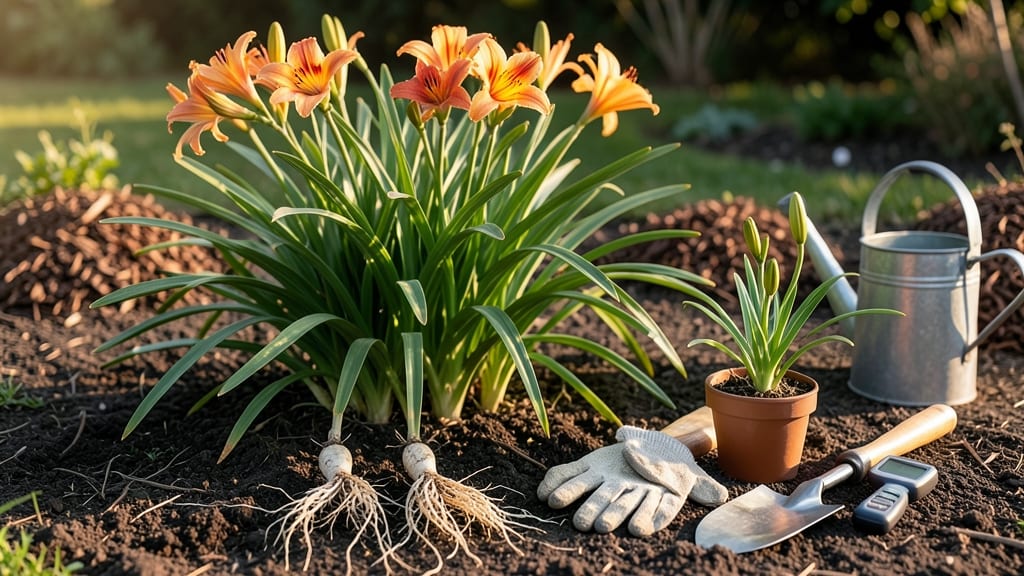
Planting daylilies 🌸 in Georgia’s Heat Zone 8 can mean the difference between vibrant blooms all season and struggling plants that barely survive. The key isn’t just when you plant—it’s understanding how Georgia’s mild winters and long summers create two perfect windows for success.
Most gardeners assume spring is the only time to plant, but fall actually offers cooler soil and fewer pests for your daylilies to establish roots. I’ll show you exactly why September-October planting often beats spring, plus how to avoid common mistakes that waste your effort.
Whether you’re a first-time gardener or a seasoned pro, timing matters—especially in Georgia’s 7b-8b zones. Learn how to read your soil temperature, choose the right varieties for your microclimate, and even extend your blooming season with strategic planting.
Let’s cut through the guesswork so you can enjoy year-round color without the frustration. Your daylilies will thank you!
Best planting months for daylilies in Georgia’s heat zone 8
Georgia’s Heat Zone 8 climate gives you two perfect windows to plant daylilies: early spring and early fall. These timing strategies help avoid the brutal summer heat and ensure your plants establish strong roots before extreme temperatures arrive.
I’ve planted daylilies in both seasons and found that spring planting gives you blooms sooner, while fall planting often results in more vigorous growth the following year.
Daylilies are hardy perennials, but their success in Georgia depends on soil temperature and moisture availability. The ideal soil temperature for planting is between 60°F and 70°F—this gives roots time to establish before summer’s intensity.
In Georgia, this typically aligns with March-April for spring and September-October for fall. Planting outside these windows can stress your daylilies, leading to slower growth or even death during heatwaves.
Here’s why timing matters: Daylilies planted in late summer (August) often struggle because the soil is too hot, and they may not establish before frost arrives. Meanwhile, planting in late fall (November) risks exposing them to early cold snaps.
My pro tip: Aim to plant at least 6 weeks before your first expected frost date in Georgia (usually mid-November).
| Planting Window | Best Months | Soil Temp | Key Benefits |
|---|---|---|---|
| Spring | March-April | 60°F-70°F | Faster establishment, blooms current year |
| Fall | September-October | 65°F-75°F | Stronger root growth, fewer pests |
| Avoid | June-August | Above 80°F | Stress, poor establishment, heat shock |
For spring planting, I recommend starting in late March once the soil has warmed up. Look for signs like dandelions blooming or daffodils finishing—these indicate safe planting conditions.
In fall, plant by mid-October to allow roots to establish before winter. I’ve seen daylilies planted in November survive Georgia winters, but they often bloom later the following year.
Georgia’s humidity and summer heat can be brutal on newly planted daylilies. That’s why I always mulch heavily (3-4 inches of organic mulch) after planting to retain moisture and regulate soil temperature.
This is especially critical during drought months (June-August), when daylilies can suffer from heat stress if not properly established.
Another key factor is daylength. Daylilies in Georgia experience longer daylight hours in summer, which can trigger early blooming if planted too late in spring.
To prevent this, I plant heirloom varieties like ‘Stella de Oro’ in early spring for reliable summer blooms, while fall-planted varieties like ‘Happy Returns’ often bloom earlier the next year.
If you’re planting daylilies in containers, the timing rules are slightly different. Container-grown daylilies need more frequent watering, so I plant them in late spring (May) to avoid summer drought stress.
For in-ground planting, stick to the March-April or September-October windows for best results. I’ve also found that dividing established clumps in early spring gives you extra plants to expand your garden.
Don’t overlook microclimates in Georgia. Coastal areas (like Savannah) have milder winters and can plant daylilies slightly later in fall, while inland areas (like Athens) should plant earlier to avoid frost.
Always check your local frost dates and adjust accordingly. For most of Georgia, September 15-October 15 is the sweet spot for fall planting.
Finally, remember that daylilies are perennials, meaning they’ll come back year after year if planted correctly. My record blooms come from daylilies planted in fall 2020—they’ve thrived ever since with minimal care.
The key is patient planting during the right windows, proper soil prep, and consistent watering during establishment.
Best planting months for daylilies in Georgia’s heat zone 8
Georgia’s Heat Zone 8 climate offers two ideal windows for planting daylilies, but timing matters more than you might think. Most gardeners focus on spring, but fall planting often gives daylilies a stronger start.
The optimal months are March-April for spring and September-October for fall, when soil temperatures are perfect for root establishment.
Spring planting lets you enjoy blooms the same year, while fall planting gives roots time to grow before winter. Both seasons avoid Georgia’s extreme summer heat and winter chills, which can stress young plants.
Let’s break down why these windows work best and what happens if you plant outside them.
| Planting Window | Soil Temperature | Bloom Time | Georgia-Specific Notes |
|---|---|---|---|
| Early Spring (March-April) | 50-60°F | Same Year | Avoids summer heat; plants establish before peak humidity. |
| Early Fall (September-October) | 60-70°F | Next Year | Cooler soil reduces stress; fewer pests than spring. |
| Late Summer (June-July) | 80-90°F | Risky | High heat can scorch roots; plants may struggle to establish. |
| Winter (December-February) | Below 50°F | Not Recommended | Frost can damage crowns; roots won’t grow in cold soil. |
Planting in late summer (June-July) is risky because Georgia’s heat can stress young roots, while winter planting (December-February) risks frost damage. The key is to plant when soil temperatures are between 50-70°F, giving roots time to establish before extreme heat or cold.
For spring planting, aim for March-April after the last frost (typically March 15 in most of Georgia). This gives plants 6-8 weeks to grow before summer’s intensity. In fall, September-October is ideal—roots grow slowly but steadily, and plants are ready to bloom the following year.
Pro tip: Use a soil thermometer to check temperatures before planting. Daylilies thrive when soil is 60°F or warmer for fall planting and 50°F or cooler for spring. This simple tool can save you from planting too early or late.
If you miss the ideal windows, don’t panic. February and May are secondary months, but they require extra care—like mulching to regulate soil temperature and keeping plants well-watered. Just avoid planting in August or November, when conditions are too extreme for new roots.