
Plants
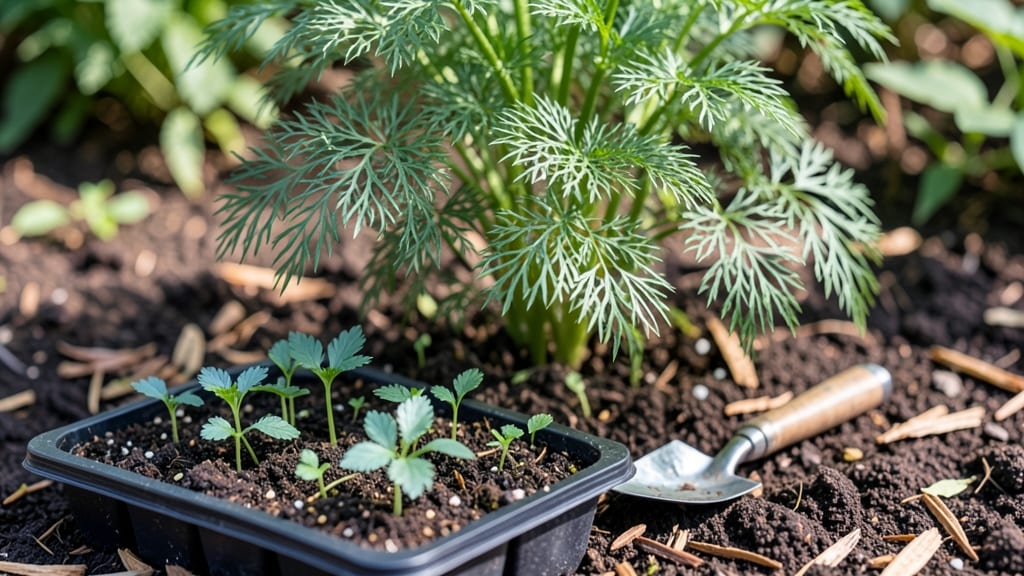
Planting dill at the wrong time in Southern California can turn your dream herb garden into a sad, stunted mess—no matter how much you love that fresh, feathery flavor in your dishes.
The key to success lies in understanding your microclimate, whether you're in coastal 9b-11 zones or inland areas where the heat lingers longer. Get it right, and you'll enjoy harvests from October to November with minimal fuss.
Most gardeners assume dill thrives year-round in SoCal, but the truth is, this 🌿 herb actually prefers cooler temperatures to grow strong and flavorful.
That's why timing matters—plant too early, and you'll battle summer heat; too late, and you might miss the perfect window before the first frost sneaks in (yes, even inland areas get chilly!).
I've learned the hard way that coastal gardeners can start as early as September, while inland growers should wait until October to avoid heat stress.
The difference might seem small, but it makes all the difference in preventing bolting—the dreaded scenario where your dill flowers and seeds before you can enjoy those tender leaves.
Ready to grow dill that actually thrives? I'll walk you through the exact planting schedule for your specific region, plus pro tips to keep your plants happy from seed to harvest. Let's get those flavorful stems growing the right way!
Optimal dill planting dates by Southern California region (coastal vs inland)
Southern California’s microclimates create dramatic differences in dill growth. Coastal areas like San Diego and Santa Barbara enjoy milder winters, while inland zones like Riverside and San Bernardino face hotter summers and occasional frost.
Timing your dill planting to these conditions determines whether you’ll enjoy fresh leaves or bitter, bolted stalks.
Dill thrives in cooler temperatures between 50°F and 75°F. Inland areas should plant 2-3 weeks earlier than coastal regions to avoid summer heat stress. The key is to establish roots before temperatures climb above 80°F, which triggers premature bolting—the enemy of flavorful dill.
Here’s how to align your planting with Southern California’s two main growing seasons: fall and spring. Coastal gardeners have a slightly extended window, while inland growers must act faster to beat the heat.
Spring: Feb 15 - Mar 31
Spring: Jan 15 - Feb 28
Spring: Jan 1 - Feb 15
For coastal gardeners, late September to early October offers the sweet spot. By this time, summer’s oppressive heat has faded, and daytime highs hover in the 70s°F—perfect for dill’s growth. Planting in fall ensures you’ll harvest fresh leaves by November before winter rains arrive.
Spring planting should happen by late February to avoid the May-Grape heatwave that hits inland areas. Coastal spring plantings can extend to mid-March, but don’t wait past April 1 or your dill will bolt before you can enjoy it.
I’ve seen dill go from lush green to seed heads in 10 days during a heat spike!
Soil temperature matters just as much as air temperature. Dill seeds germinate best when soil stays between 60°F and 75°F. Inland areas should test soil temps—if it’s above 80°F, wait until evening to plant or use shade cloth to protect seedlings.
I recommend a soil thermometer for accuracy; they’re a game-changer for Southern California gardeners.
Another critical factor is day length. Dill is sensitive to long summer days, which trigger bolting. Coastal areas experience shorter daylight in fall, making it ideal. Inland gardeners must plant early enough that their dill matures before June 21 (the summer solstice), when days start getting too long.
If you’re in a transition zone (like the Inland Empire or Ventura County), split your planting: 20% in August for early fall harvests and 80% in September for a main crop.
This succession planting strategy extends your harvest window by 6-8 weeks. I’ve used this method to enjoy dill from October through December without bolting issues.
Remember, dill is a biennial, meaning it grows leaves the first year and flowers/seeds the second. In Southern California’s climate, most dill behaves as an annual—bolting and setting seed before winter.
To preserve seeds for next year, harvest them before they scatter. Store dried seeds in a cool, dark place for up to 2 years.
How to adjust planting timing for dill’s bolting sensitivity
Dill’s biggest enemy in Southern California isn’t pests or diseases—it’s bolting. This premature flowering turns your tender leaves into bitter stalks before you can harvest. The culprit? heat and long daylight hours, both of which peak during our summer months.
Understanding why dill bolts—and how to outsmart it—is the secret to a year-round harvest.
Bolting occurs when dill senses stress from heat (above 80°F) or long daylight (14+ hours). Inland areas face this risk earlier than coastal zones. For example, a dill plant in Palm Springs might bolt by May 15, while one in Santa Monica could wait until June 1.
The key is to time your planting so dill matures before these triggers kick in.
Here’s the science: Dill’s natural growth cycle is designed for cooler climates. In Southern California, we’re essentially tricking it into growing faster by planting at the right time. The goal?
Get your dill from seed to harvest in 60 days or less—before the heat or long days take over. I’ve found that succession planting is the easiest way to beat bolting.
🌱 5 Pro Tips to Prevent Bolting in Southern California
- 📅 Plant early fall (Aug-Sept inland, Sept-Oct coastal) to harvest before June 21 (summer solstice).
- ☀️ Use shade cloth (30-50%) for summer plantings to keep temps below 80°F.
- 🌱 Choose bolt-resistant varieties like 'Bouquet' or 'Fernleaf' for slower maturation.
- 💧 Water deeply 2-3x/week to prevent stress-induced bolting during heatwaves.
- ⏳ Harvest leaves aggressively—pinch back flowering stems to redirect energy to foliage.
Succession planting is my go-to strategy for year-round dill. Instead of one big planting, I stagger seeds every 3-4 weeks from August through October. This ensures I always have fresh leaves while older plants bolt naturally.
For example: - First planting (Aug 15): Harvests by October 15 - Second planting (Sept 1): Harvests by November 15 - Third planting (Sept 25): Overwinters for spring harvests
Another trick? Container growing. Dill in pots can be moved to shadier spots during heatwaves or brought indoors during extreme heat. I keep mine on a covered patio during June-August and move them back to the garden in September.
This flexibility lets me extend the growing season by 4-6 weeks.
If you do get bolting, don’t panic—it’s not the end of the world! Harvest the seeds for next year’s planting or use the flowers in homemade dill pickles.
I’ve turned bolted dill into dill-infused olive oil and dried seed packets for winter cooking. The key is to plan ahead so bolting becomes an opportunity, not a setback.
Remember: Dill’s bolting sensitivity is your advantage. By understanding its triggers, you can work with Southern California’s climate instead of fighting it. With the right timing and a little creativity, you’ll enjoy fresh dill from October through May—no matter where you garden in SoCal. 🌿