
Planting
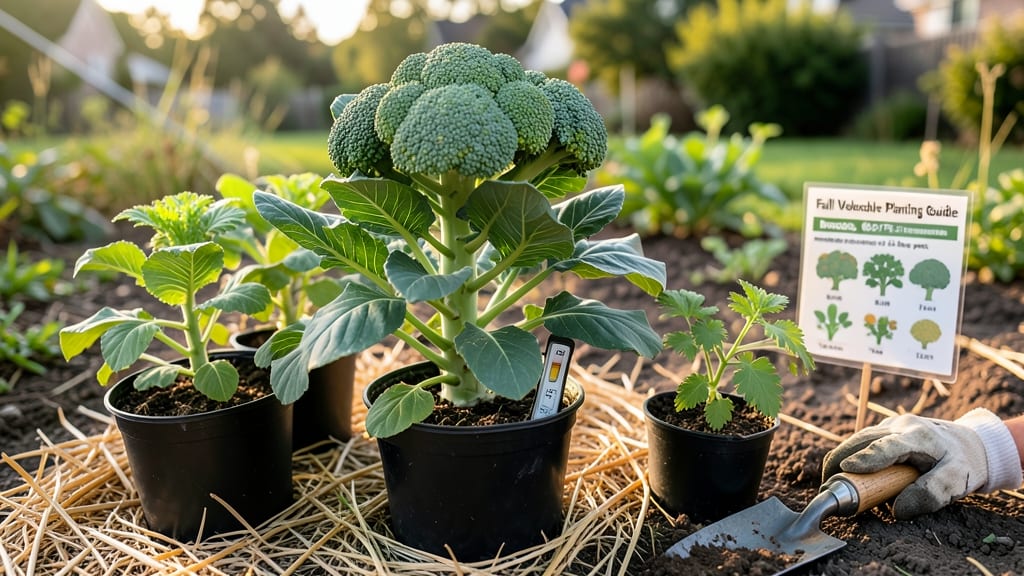
Planting a fall garden in North Texas isn’t just about timing—it’s about avoiding bolting while beating the first frost. Too early, and your greens turn bitter; too late, and frost steals your harvest. The key is knowing exactly when to plant each crop so they mature before temperatures drop.
North Texas gardeners in USDA Zones 8a and 8b face unique challenges, from urban heat islands to rural microclimates. Whether you’re in Dallas or Waco, the 6-8 week rule before the first frost date (usually late November) is your best guide.
But here’s the secret: some crops, like spinach and kale, can handle cooler temps, while others, like lettuce, need a head start.
I’ve tested these strategies in my own garden, and the results speak for themselves—zero-bolt crops and a harvest that lasts well into December.
In this guide, I’ll break down the exact weeks to plant, adjust for your local conditions, and share pro tips to extend your growing season even longer.
Ready to grow a fall garden that outsmarts North Texas weather? Let’s get started with the perfect planting schedule—no more guesswork, just guaranteed success.
North Texas fall planting calendar: exact weeks before frost for zero-bolt crops
North Texas gardeners in USDA Zones 8a/8b face a tight window between scorching summer and early frost—typically November 15-25. To avoid bolting (premature flowering) or frost damage, timing is critical. Most cool-season crops thrive when planted 6-8 weeks before your average first frost date.
For Dallas/Fort Worth, that’s late August to early September for direct sowing, while transplants like broccoli or cabbage can go in 3-4 weeks earlier.
Your soil temperature must drop below 85°F for seeds to germinate properly. Use a soil thermometer to confirm—ideal temps for fall crops range from 60-75°F. In rural areas like Waco, cooler nights arrive sooner, so you can plant 1-2 weeks earlier than urban heat islands like Dallas.
Always check your local Cooperative Extension Service for updated frost dates, as microclimates vary wildly.
🌱 Did You Know? North Texas’ urban heat island effect can delay frost by 7-10 days compared to rural zones. If you’re in Dallas or Fort Worth, wait until mid-September for heat-sensitive crops like spinach or lettuce.
North Texas Fall Planting Timeline
| Crop Type | Planting Window | Weeks Before Frost | Notes |
|---|---|---|---|
| Leafy Greens (Lettuce, Spinach, Kale) | Late August - Early September | 6-8 weeks | Bolt-resistant varieties like 'Winterbor' kale. |
| Brassicas (Broccoli, Cabbage, Cauliflower) | Mid-August - Late August | 8-10 weeks | Start transplants indoors in July. |
| Root Crops (Carrots, Radishes, Turnips) | Late August - Mid-September | 5-7 weeks | Radishes mature fastest—plant in succession. |
| Peas & Beans (Snap Peas, Fava Beans) | Mid-September - Early October | 3-5 weeks | Cold-hardy varieties like 'Oregon Sugar Pod.' |
| Herbs (Cilantro, Parsley, Dill) | Late August - September | 6-8 weeks | Cilantro bolts quickly—harvest leaves early. |
🌡️ Pro Tip: Use black plastic mulch to warm soil for early plantings or row covers to protect from light frosts.
For transplanted crops like broccoli or cabbage, start seeds indoors 6-8 weeks before your target transplant date. Harden off seedlings for 7-10 days before moving them outdoors.
If you’re using container gardening, choose compact varieties like 'Bush Blue Lake' beans or 'Little Gem' lettuce to maximize space in 5-gallon pots.
Always monitor your garden’s microclimate. A north-facing bed stays cooler than a south-facing one, while raised beds warm up faster in spring but cool down quicker in fall.
If you notice yellowing leaves or stunted growth, your plants may be too cold—time to add row covers or move tender crops to a protected microclimate.
Remember: Succession planting is your best friend in North Texas. Sow fast-maturing crops like radishes or bush beans every 2 weeks from late August through September to ensure a continuous harvest before frost. This strategy also helps prevent bolting by keeping plants young and productive.
If you’re in a warmer microclimate (like San Antonio in Zone 8b), you can push plantings 2-3 weeks later than Dallas. But always check your local frost-free date—last year’s data may not match this year’s unpredictable weather patterns.
Use a frost calendar from your local AgriLife Extension office for real-time updates.
For maximum success, test your soil’s pH (ideal: 6.0-7.0 for most fall crops) and amend with compost or aged manure 2-3 weeks before planting. Cool-season crops
How to adjust planting dates for North Texas microclimates (urban vs. rural)
North Texas isn’t one-size-fits-all when it comes to planting dates. Urban areas like Dallas and Fort Worth often experience heat islands that delay cooling, while rural zones like Waco or Abilene cool faster. This means your planting window can shift by 1-2 weeks depending on where you live.
For example, in urban heat islands, soil stays warmer longer, allowing you to plant cool-season crops 7-10 days later than rural areas. Meanwhile, rural gardens may need to start 2 weeks earlier to avoid frost damage. Understanding these differences is key to zero-bolt success in your fall garden.
Here’s how to adjust your planting schedule based on your location. Use this guide to fine-tune your timeline and maximize your harvest before the first frost.
| Location Type | Planting Adjustment | Why It Matters | Pro Tip |
|---|---|---|---|
| Urban (Dallas, Fort Worth) | Plant 7-10 days later | Warmer soil and air delay cooling | Use lightweight row covers for extra protection |
| Rural (Waco, Abilene) | Plant 2 weeks earlier | Cooler nights and faster frost risk | Extend season with black plastic mulch |
| Suburban (Midway between urban/rural) | Follow standard timeline | Moderate heat retention | Monitor local frost alerts for adjustments |
If you’re unsure whether your garden falls into an urban or rural category, consider these clues: paved surfaces, buildings, and lack of wind in urban areas trap heat, while rural gardens benefit from cooler nights and natural airflow.
For the most accurate adjustments, check your local agricultural extension office for microclimate data.
Another trick to extend your planting window is using season-extending tools. Row covers, cold frames, or even black plastic mulch can push your harvest back by 2-3 weeks. For example, I’ve used floating row covers to protect my spinach and kale well into December, even in rural areas.
Don’t forget to account for elevated garden beds, which cool faster than in-ground soil. If you’re growing in raised beds, start your cool-season crops 5-7 days earlier than the standard timeline to compensate for the quicker temperature drop.
By tailoring your planting schedule to your microclimate, you’ll avoid the heartbreak of frost-nipped harvests or bolting greens. Test your soil temperature with a soil thermometer—ideal planting temps for fall crops are between 50-75°F.
When the soil hits that sweet spot, it’s time to get those seeds in the ground!