
Plants
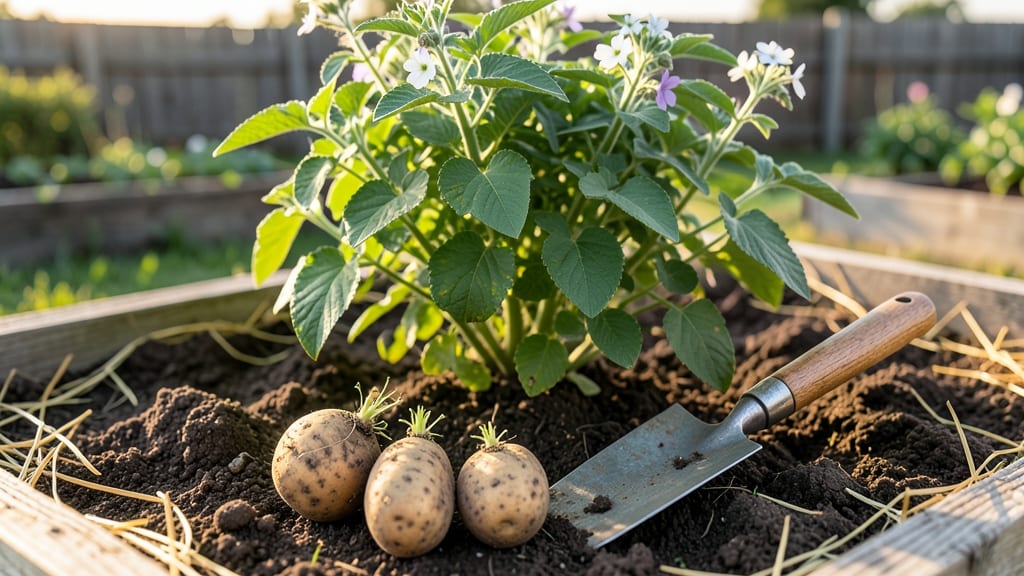
Planting fall potatoes in Oklahoma isn't just about digging in the dirt—it's about mastering the exact timing that separates a bumper crop from a frost-bitten disappointment.
With Oklahoma's USDA zones 6b-8a and unpredictable weather, knowing when to plant your 🥔 can mean the difference between a harvest that lasts through winter and one that barely makes it to Thanksgiving.
Most gardeners assume "late summer" means "whenever," but in Oklahoma's climate, that vague window can cost you weeks of growth.
The ideal planting window—August to early September—gives your potatoes 70-120 days to mature before the first frost hits, typically around November 1 in Zone 6b or December 1 in Zone 8a.
Here's the game-changer: planting 4-6 weeks before frost ensures your tubers bulk up just in time for harvest. Skip the guesswork and learn how to sync your planting with Oklahoma's unique frost dates, soil temperatures, and even moonlight phases for maximum success.
Whether you're a seasoned gardener or a first-timer, these proven strategies will help you avoid common mistakes—like planting too close to frost or ignoring soil prep—and get the most out of your fall potato patch. Let's break it down step by step.
Best planting weeks before frost for Oklahoma fall potatoes
Oklahoma’s fall potato success hinges on planting at the right time—typically 4-6 weeks before the first frost. For most of the state (USDA zones 6b-8a), this means late August to early September.
But exact timing varies by city due to microclimates. For example, Norman and Oklahoma City (zone 7a) should plant by September 1, while Tulsa and Lawton (zone 7b) can extend to September 15.
Potatoes need 70-120 days to mature, so late-season varieties like Yukon Gold or Red Pontiac are ideal. These varieties thrive in Oklahoma’s warm fall days and cool nights, producing sweet, disease-resistant tubers.
Planting too early risks blight from summer humidity, while planting too late means tubers won’t fully develop before frost.
Use this rule of thumb: Count backward from your average first frost date (typically November 1 for northern OK and December 1 for southern OK). Subtract 90 days for most varieties—this gives your last planting window.
For example, if frost hits November 15, your final planting date is August 15.
| City | USDA Zone | First Frost | Last Planting Date | Ideal Varieties |
|---|---|---|---|---|
| Norman | 7a | Nov 1 | Aug 25 - Sep 10 | Yukon Gold, Red Pontiac |
| Oklahoma City | 7a | Nov 5 | Aug 20 - Sep 5 | Kennebec, Fingerling |
| Tulsa | 7b | Nov 15 | Aug 15 - Sep 15 | Adirondack Red, Purple Viking |
| Lawton | 7b | Nov 10 | Aug 20 - Sep 10 | Russet Burbank, Sweet Potato |
Choose early-maturing varieties (70-90 days) for late August plantings, as they’ll finish before hard frost. Medium-maturing varieties (90-120 days) work for early September plantings in southern Oklahoma. Always use certified seed potatoes—never grocery store spuds—to avoid disease transmission like blight or scab.
Oklahoma’s soil temperature must be at least 45°F (7°C) for potatoes to sprout. Test your soil with a soil thermometer—if it’s cooler, wait a few days or use black plastic mulch to warm the soil faster.
Planting in cool soil delays germination and invites fungal diseases, which thrive in Oklahoma’s humid fall air.
For container gardening, plant in deep pots (12+ inches) and use lightweight potting mix. Containers warm up faster than soil, so you can plant 1-2 weeks earlier than in-ground.
Just ensure pots have drainage holes to prevent waterlogged tubers. In Oklahoma’s dry falls, containers may need daily watering to maintain moisture.
Adjust your planting date if unseasonable heat or drought hits in late summer. Monitor the National Weather Service for 10-day forecasts—if temperatures dip below 70°F (21°C) for a week, it’s safe to plant. Conversely, if a heatwave is predicted, delay planting to avoid stress on young plants.
Pro tip: Plant a test row 2 weeks before your target date. If the test row thrives without blight signs (black spots on leaves), the timing is ideal.
If you see yellowing leaves or stunted growth, wait another week. This simple trick saves hundreds of dollars in wasted seed potatoes.
Once planted, mulch heavily with straw or grass clippings to retain moisture and regulate soil temperature. Oklahoma’s fall temperature swings can stress potatoes, so mulch helps maintain consistent growing conditions. Avoid synthetic mulches—they can overheat soil and attract pests like potato beetles.
Signs your Oklahoma fall potato planting is perfectly timed
Timing your fall potato planting in Oklahoma isn't just about dates—it's about reading your soil, weather, and even the moon. The ideal window (late August to early September) aligns with cooling soil temperatures and declining daytime heat, both critical for tuber formation.
Here’s how to confirm you’re planting at the perfect moment.
First, check your soil temperature—it should be between 50°F and 60°F at planting time. Use a soil thermometer in the afternoon for accuracy. In Oklahoma’s USDA zones 6b-8a, this typically occurs in mid-to-late August, but early September works for shorter-season varieties like 'Yukon Gold' or 'Red Pontiac'.
Next, monitor the moon phases. Planting during the waning gibbous or crescent moon (just after a full moon) encourages root development and reduces disease risk. Oklahoma’s dry autumn winds can stress young plants, so aim for a cloudy day with light rain—nature’s way of signaling ideal conditions.
Don’t ignore local weather patterns—Oklahoma’s unpredictable early fall droughts can dry out soil faster than expected. If your area faces consistent 90°F+ days in September, opt for earlier planting (late July) and use black plastic mulch to retain moisture.
Conversely, if your zone experiences early frosts (like Zone 6b’s Norman), shift to September 1-15 for 90-day varieties.
Finally, listen to your plants’ progress. After planting, healthy potato sprouts should emerge within 10-14 days. If growth stalls due to heat stress or disease, adjust by mulching with straw or applying a fungicide like copper spray.
The goal? Strong, disease-free foliage by mid-September to ensure tubers bulk up before frost.
Pro tip: Oklahoma City’s microclimates can vary by 5-7 days—check your local coop extension for frost alerts. A frost-free window of 90-120 days is your golden ticket to a reliable harvest before winter sets in.