
Plants
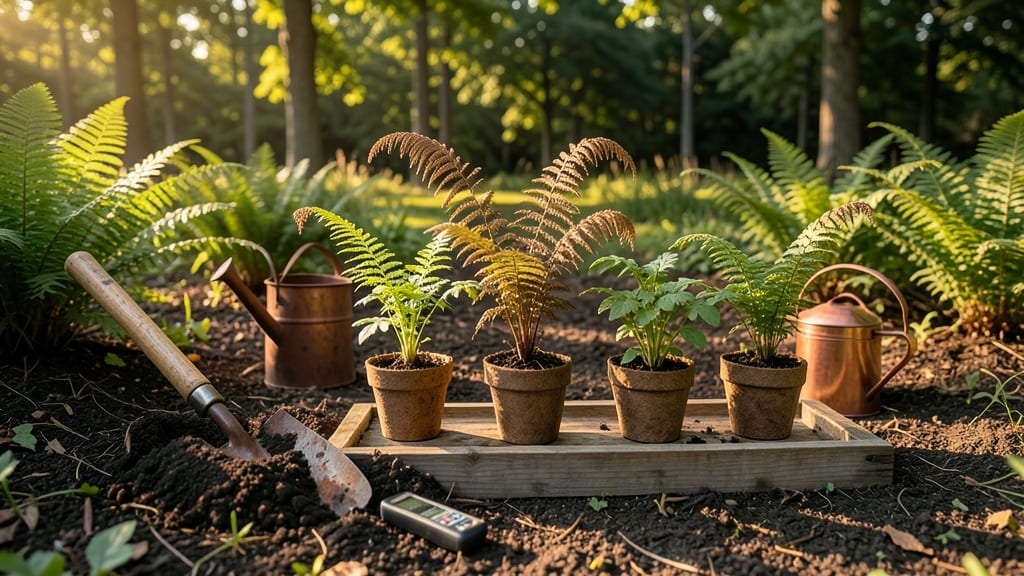
Timing your fern planting just right in Michigan’s Zone 5b-6b climate is the secret to those lush, thriving 🌿 plants you’ve always dreamed of. Skip the guesswork—planting too early risks frost damage, while waiting too long can stunt growth before summer’s heat sets in.
For Michigan gardeners, the best months to plant ferns are spring (April–May) or early fall (August–September), when soil temperatures stabilize and last frost threats fade. These windows give your ferns the head start they need to establish strong roots before Michigan’s short growing season kicks into high gear.
Whether you’re transplanting mature ferns or sowing seeds, understanding your region’s microclimate—especially in the Upper vs. Lower Peninsula—makes all the difference. Let’s break down the exact steps to ensure your ferns take root with minimal stress and maximum success.
From soil prep to transplanting tips, I’ll cover everything you need to know to turn your shady garden corners into a verdant sanctuary. Ready to transform your outdoor space with minimal effort? Let’s get started.
Optimal planting months for ferns in Michigan’s Zone 5 climate
Michigan’s Zone 5 climate brings unique challenges for fern gardeners, with last frost dates varying between April 15 (southern regions) and May 15 (northern areas). The key to success lies in planting during two optimal windows: spring and early fall, when soil temperatures hover between 50°F and 70°F.
These conditions give ferns the best chance to establish strong roots before summer heat or winter freeze.
Woodland ferns like Ostrich Fern and Lady Fern thrive in Michigan’s cooler climate, while tropical varieties such as Boston Fern and Maidenhair Fern need extra care to survive our winters.
The Upper Peninsula has a shorter growing season, so timing is even more critical there than in the Lower Peninsula, where milder microclimates extend planting opportunities.
Spring planting (April–May) aligns with Michigan’s last frost dates and provides ferns with 6–8 weeks of warm soil before summer drought stress sets in. Early fall planting (August–September) gives plants time to establish roots before winter dormancy, reducing transplant shock.
Both strategies leverage Michigan’s 150–180 frost-free days to maximize growth potential.
Here’s how Michigan’s regional differences impact your planting schedule:
| Planting Window | Best Months | Soil Temp Requirement | Fern Type Suitability | Upper Peninsula Notes | Lower Peninsula Notes |
|---|---|---|---|---|---|
| Spring Planting | April–May | 50°F–65°F | Woodland ferns | Wait until May 1–15 for safer planting | Start as early as late March in southern regions |
| Early Fall Planting | August–September | 55°F–70°F | Tropical ferns | Plant by mid-August for root establishment | Extend to early October in sheltered microclimates |
| Avoid Planting | June–July | Above 75°F | All ferns | High stress from heat and drought | Risk of transplant shock in extreme heat |
| Winter Planting | November–March | Below 40°F | None | Frost kills young roots | Dormant soil prevents growth |
For woodland ferns, prioritize spring planting after the last frost. These hardy varieties—like Dryopteris and Matteuccia—establish quickly in Michigan’s moist, acidic soils.
In contrast, tropical ferns (e.g., Nephrolepis) demand early fall planting to avoid winter dieback, especially in the Upper Peninsula, where colder temperatures arrive sooner.
Pro tip: Use mulch (3–4 inches of shredded bark) after planting to regulate soil temperature and retain moisture. This is especially crucial in Michigan’s clay-heavy soils, which can dry out quickly in summer or become waterlogged in spring.
Mulching mimics the forest floor conditions woodland ferns prefer, creating an ideal microclimate for root development.
Monitor soil temperatures with a thermometer—ferns struggle when soil exceeds 75°F. In the Lower Peninsula, where summers can be hotter, opt for shade-loving varieties like Japanese Painted Fern (Athyrium) to reduce heat stress.
In the Upper Peninsula, focus on cold-hardy species such as Ostrich Fern, which tolerates Michigan’s shorter growing season.
If you miss the ideal windows, don’t despair—container planting extends your options. Move potted ferns to a protected location (e.g., garage or basement) during extreme weather, then replant in spring or fall. This strategy works well for tropical varieties that wouldn’t survive Michigan’s winters outdoors.
Remember: Fern health starts with timing. Planting at the right moment ensures your garden thrives year after year, turning shady corners into verdant retreats. With Michigan’s climate, precision pays off—so
Optimal planting months for ferns in Michigan’s Zone 5 climate
Michigan’s Zone 5b-6b climate demands precision when planting ferns—miss the window, and you risk weak growth or frost damage. The best months to plant are April–May (spring) and August–September (early fall), aligning with soil warmth and frost-free conditions.
These periods give ferns time to establish roots before Michigan’s short growing season ends.
Spring planting (after April 15, your average last frost date) ensures ferns benefit from consistent moisture and moderate temperatures. Early fall planting (before September 15) allows roots to settle before winter dormancy.
Tropical ferns, like Boston ferns, thrive in these windows, while hardy varieties (e.g., Ostrich ferns) tolerate slightly cooler soil.
Regional differences matter: The Upper Peninsula has a shorter growing season, so plant 1–2 weeks later than the Lower Peninsula. Check your local Michigan State University Extension frost maps for precise timing—even a week off can stunt growth.
🌿 Michigan Fern Planting Comparison
| Season | Best Months | Soil Temp | Notes |
|---|---|---|---|
| Spring | April–May | 50–60°F | Ideal for woodland ferns; avoid frost risk. |
| Early Fall | August–September | 55–65°F | Best for tropical ferns; roots harden before winter. |
| Late Fall | October | Below 50°F | Risky; roots may not establish before frost. |
For container-grown ferns, you can plant 1–2 weeks earlier in spring—they warm up faster. Harden off potted ferns for 3–5 days before transplanting to reduce shock. If planting in clay-heavy Michigan soil, amend with peat moss or compost to improve drainage and moisture retention.
Pro tip: Mulch heavily (2–3 inches of pine straw or shredded leaves) after planting to lock in moisture and regulate soil temperature. This is especially critical in Michigan’s dry summers and cool springs.
Skip planting in June–July—Michigan’s heat and drought stress young ferns. Instead, focus on established plants by keeping soil moist and providing afternoon shade. With the right timing, your ferns will reward you with year-round greenery and minimal maintenance.