
Flowers
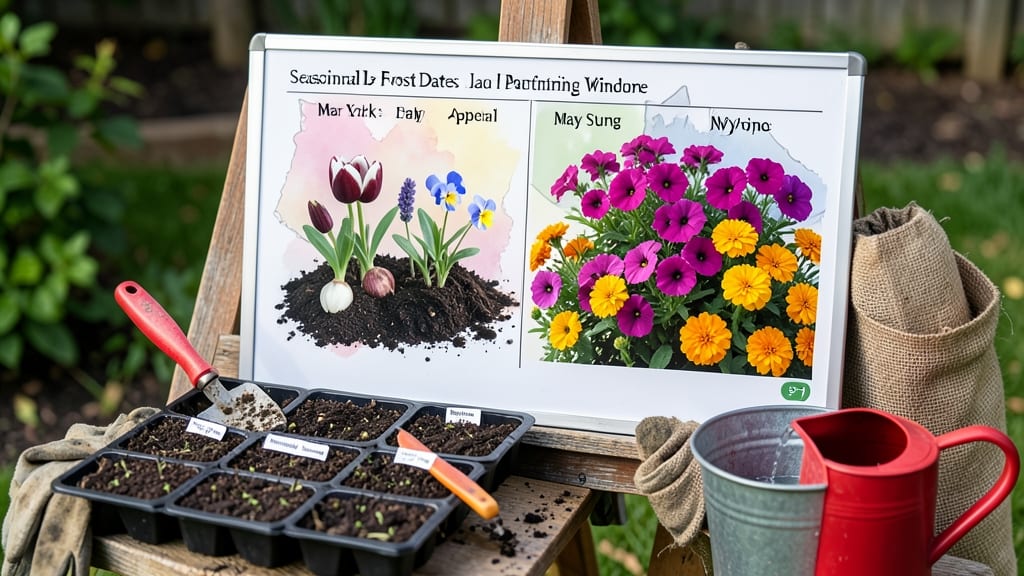
Timing your flower planting in New York can feel like solving a puzzle—one wrong move, and your 🌱 blooms might never reach their full potential. But here’s the good news: with the right schedule, you can enjoy vibrant gardens from spring to fall, even in the city’s unpredictable climate.
The key lies in understanding New York’s unique zones—whether you’re in Manhattan’s urban heat islands or the cooler Upstate regions. Planting too early risks frost damage, while waiting too long might leave you with sparse blooms.
I’ll break down the exact windows for annuals, perennials, and bulbs so you never miss a beat.
From late spring prep for tender varieties to fall planting for winter interest, we’ll cover it all. Whether you’re a first-time gardener or a seasoned pro, these zone-specific tips will help you create a showstopping garden that thrives year after year.
Ready to transform your outdoor space? Let’s dive into the perfect planting schedule tailored just for New York’s diverse climate.
New York flower planting calendar by season: exact weeks for annuals, perennials & bulbs
New York’s USDA Zones 5b-7a create a unique challenge for gardeners—cool springs, hot summers, and early frosts demand precision timing. I’ve broken down the ideal planting windows for annuals, perennials, and bulbs to help you avoid frost damage and maximize bloom time across the state.
For annual flowers like marigolds and petunias, the last frost date (typically mid-May in NYC but earlier in Upstate) signals the start of outdoor planting. Meanwhile, perennials like coneflowers and black-eyed Susans thrive when planted in early spring or fall for deep root establishment.
Here’s your seasonal planting timeline—adjust by 2-3 weeks for Upstate’s cooler zones (Zone 5b) or NYC’s urban heat islands (Zone 7a).
| Season | Plant Type | Ideal Planting Window | NYC Notes |
|---|---|---|---|
| Early Spring | Spring Bulbs | Late September–October (for fall blooms) OR November–December (for spring blooms) | Tulips and daffodils need 6-8 weeks of chill—plant by November 15th for reliable spring color. |
| Late Spring | Annuals (Heat-Lovers) | After last frost (May 15–June 1) | Start geraniums and zinnias indoors in March for earlier blooms. |
| Early Summer | Perennials | April–May (bare root) OR June (container-grown) | Black-eyed Susans and coneflowers tolerate heat—plant after soil warms to 55°F. |
| Fall | Hardy Annuals & Fall Bulbs | August–September (6–8 weeks before first frost) | Pansies and snapdragons thrive in cool weather—plant by September 1st for winter blooms. |
Pro tip: Use NYC’s 10-day forecast to time your late-summer transplants—aim for mid-August to give plants time to root before frost. For Upstate gardeners, wait until after Memorial Day to avoid late frosts.
Container gardeners can extend seasons by 2-3 weeks—black pots absorb heat, while self-watering containers keep roots moist in NYC’s dry summer air. I’ve had petunias bloom until November 1st in elevated containers on my Brooklyn rooftop!
Don’t overlook fall planting—many perennials like astilbe and sedum establish roots in cooler weather, giving them a head start for next spring. Aim to plant by October 15th in Zone 6 and earlier in cooler areas.
For bulbs like alliums and crocus, plant in October for early spring color. These low-maintenance bloomers naturalize quickly, returning year after year with minimal effort.
Remember: Soil temperature matters more than air temperature. Use a soil thermometer—ideal planting temps are 60°F+ for most annuals. In NYC’s concrete-heavy areas, soil can stay 10°F warmer than rural Upstate plots.
With this timeline, you’ll enjoy continuous blooms from April to November—no more gaps between seasons! Start with one or two test plants each season to refine your local microclimate’s perfect timing.
How to adjust planting times for NYC’s microclimates: urban heat islands vs. Upstate cool zones
New York’s diverse climate means your planting schedule should change based on whether you’re gardening in Manhattan’s concrete jungle or a cool Upstate valley. Urban areas like Brooklyn and Queens can be 5-10°F warmer than rural zones, creating microclimates that shift planting windows by weeks.
If you’re used to Upstate’s cooler temps, your city garden might need adjustments to avoid heat stress or frost damage.
For example, tender annuals like marigolds can go in mid-May in the Hudson Valley but should wait until late May in NYC to avoid early heatwaves. Meanwhile, cool-season crops like pansies might thrive in Upstate gardens until June**, while city planters should pull them by late May to prevent bolting.
Here’s how to tweak your schedule for NYC’s unique growing conditions:
| Factor | Urban NYC (Zones 7a-7b) | Upstate (Zones 5b-6a) |
|---|---|---|
| Average Last Frost | Mid-April | Mid-May |
| Best Time for Annuals | Late May–June | Early May |
| Heat-Tolerant Varieties | Zinnias, Sunflowers | Cosmos, Black-Eyed Susans |
| Shade Adjustments | Plant shade-loving flowers (e.g., impatiens) in north-facing spots | Use shade cloth for delicate perennials |
| Container Gardening Tip | Use reflective pots to reduce heat stress | Add mulch to retain moisture |
If you’re gardening on rooftops or balconies, heat can be even more intense. Opt for heat-resistant varieties like portulaca or lantana, and water containers daily in summer to prevent wilting.
In contrast, Upstate gardeners should focus on extended-season bloomers like coneflowers or black-eyed Susans, which handle cooler temps better.
For sidewalk gardens, consider planting early bloomers like crocuses in fall for spring color—they’ll pop up before summer heat sets in. Meanwhile, Upstate gardeners can push the envelope with late-season perennials like sedum, which thrive in cooler autumns.
Pro tip: Use a soil thermometer to check when soil reaches 60°F—the ideal temp for planting most flowers. In NYC, this often happens 2-3 weeks later than in Upstate areas. Adjust your schedule accordingly to avoid common pitfalls like damping off or stunted growth.