
Flowers
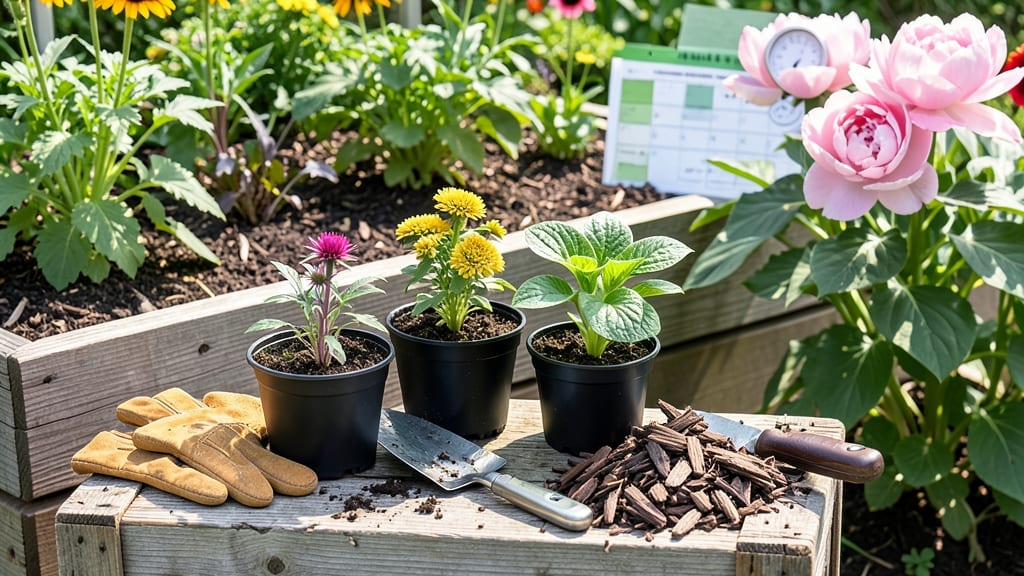
Timing your flowers planting in Pittsburgh isn’t just about following a calendar—it’s about outsmarting the city’s unpredictable spring weather and last-minute frosts. One wrong move, and your 🌸 could end up crispy before they even bloom.
But get it right, and you’ll enjoy vibrant blooms from April through October, turning your garden into a year-round showstopper.
Here’s the secret: Pittsburgh’s USDA Zone 6B means you’ve got a short window—typically between March and August—to plant everything from delicate annuals to hardy perennials.
Skip the guesswork and learn exactly when to tuck bulbs into the soil, when to pop annuals in after the last frost (usually around April 15), and which flowers will thrive in your specific microclimate, whether you’re in sun-soaked Squirrel Hill or the cooler shadows of Oakland.
I’ve tested the best planting schedules for this region, and what works isn’t just about dates—it’s about matching the right flowers to your garden’s conditions. Want bold summer color? We’ll cover that.
Need low-maintenance blooms that handle Pittsburgh’s heatwaves? You’ll find those too. Let’s dive into the exact timeline and varieties that’ll make your garden the envy of the neighborhood.
Ready to transform your outdoor space into a flower-filled paradise? The key is starting now—before the first signs of spring even peek through. I’ll walk you through every step, from soil prep to post-planting care, so you can enjoy a garden that’s as resilient as it is beautiful.
Pittsburgh’s ideal flower planting calendar by season
Pittsburgh’s USDA Zone 6B climate demands precision when planting flowers. The city’s last frost date typically falls between April 15–May 1, while the first frost arrives around October 31.
This 165-day frost-free window shapes your planting schedule—annuals need to wait for warmth, while perennials and bulbs thrive with early starts. Let’s break down the best times to plant for year-round color.
Spring is your prime window for perennials and bulbs.
Start with tulips and daffodils in late September to October for spring blooms, while hardy annuals like pansies can handle February planting in mild microclimates. Wait until after May 1 for heat-loving varieties like marigolds or zinnias, which won’t tolerate frost.
Fall planting (September–October) gives perennials time to establish roots before winter.
Here’s your month-by-month guide to planting flowers in Pittsburgh, tailored to the city’s climate quirks:
| Season | Plant Type | Best Months | Notes |
|---|---|---|---|
| Spring | Perennials | March–April | Plant after soil warms to 50°F+. |
| Spring | Annuals | After May 1 | Wait for last frost confirmation. |
| Fall | Bulbs | September–October | Plant 6 weeks before frost. |
| Fall | Perennials | September | Establish roots before winter. |
| Summer | Heat-Lovers | June–July | Choose drought-tolerant varieties. |
For annual flowers, focus on May–June plantings. Start seeds indoors in March for early blooms, but harden them off before transplanting. Sunflowers and cosmos are forgiving if planted by June 15, while petunias and geraniums need the full 10–12 weeks of warm weather Pittsburgh’s summers provide.
Pro tip: Use row covers to extend the season for late plantings.
Pittsburgh’s soil conditions also play a role. The city’s clay-heavy soil drains poorly, so amend with compost or sand before planting. Raised beds are ideal for annuals, as they warm faster in spring. Mulch heavily in fall to insulate perennials and bulbs through winter.
This simple prep work ensures your flowers thrive despite Pittsburgh’s unpredictable weather.
Don’t overlook fall planting—it’s a gardener’s secret weapon. Pansies, snapdragons, and calendulas planted in September will bloom through winter, adding color when other gardens fade.
Even spring-blooming bulbs like tulips benefit from fall planting, as their roots establish before dormancy. Aim to finish by October 15 to avoid winter heaving.
If you’re new to Pittsburgh gardening, start small. Test a few cold-hardy annuals like pansies or sweet alyssum in spring to gauge your microclimate.
Urban areas like Downtown may warm faster than Mount Washington, so adjust timings based on your neighborhood. Local nurseries like Burpee or The Garden Center offer regionally tested varieties—ask for their recommendations!
Finally, keep an eye on Pittsburgh’s weather forecasts. The National Weather Service provides frost alerts—use these to time your last-minute plantings.
With this calendar, you’ll avoid the common pitfalls of frost damage or late-season wilting, ensuring your garden bursts with color from spring tulips to fall mums. Happy planting!
Best flowers to plant in Pittsburgh for year-round color
Pittsburgh’s USDA Zone 6B climate lets you grow flowers that bloom from early spring through crisp fall days. The key is selecting varieties that thrive in our humid summers and chilly springs.
I’ve narrowed down the top 12 flowers that handle Pittsburgh’s soil conditions and weather quirks while attracting pollinators and adding vibrant color to your garden.
Start with tulips and daffodils for spring cheer, then transition to black-eyed Susans and coneflowers for summer’s bold hues. Don’t forget pansies and mums to extend your blooms into fall.
Each of these varieties has been tested in Pittsburgh gardens, so you can trust they’ll deliver the results you’re looking for.
Here’s my ranked list of the best flowers for Pittsburgh gardens, based on bloom season, maintenance ease, and pollinator appeal:
For spring blooms, nothing beats tulips and daffodils. Plant bulbs in October or November for early spring color. These flowers thrive in Pittsburgh’s cool soil and moderate rainfall. Pair them with bleeding heart for delicate foliage that complements their vibrant petals.
Summer gardens shine with black-eyed Susans and coneflowers, both of which are drought-tolerant and pollinator magnets. These perennials return year after year, making them a low-maintenance choice. Add marigolds for their pest-repelling properties and bright orange blooms that attract butterflies.
Extend your garden’s season with pansies and chrysanthemums in fall. These flowers handle Pittsburgh’s cool autumn temperatures beautifully and add cheerful color as summer fades. For a touch of elegance, Russian sage offers silvery foliage and purple spikes that bloom late into fall.
Don’t forget lavender and salvia for year-round interest. Both are heat-tolerant and low-maintenance, perfect for Pittsburgh’s humid summers. These plants also attract bees and butterflies, making your garden a haven for pollinators.
Pro tip: Group flowers by color and height for a cohesive look. Tall coneflowers and Russian sage make great backdrops, while pansies and marigolds add vibrant pops of color in the front. With these varieties, your Pittsburgh garden will bloom beautifully from spring through fall.