
Planting
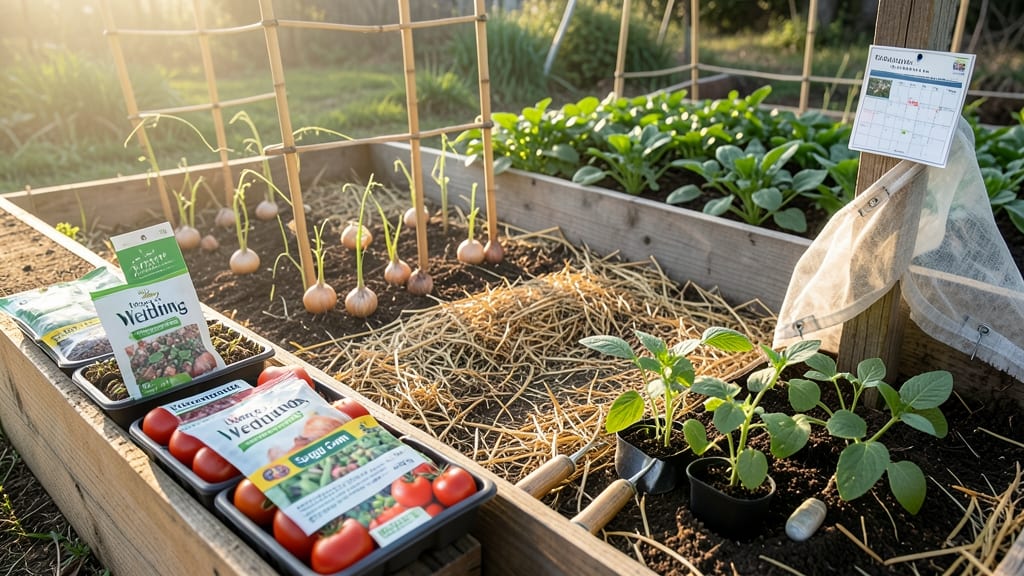
Timing your garden planting in Nebraska can feel like playing a high-stakes game of chance—get the dates wrong, and your 🌱 General Garden Plants might freeze overnight or bolt before you even taste your harvest.
But here’s the secret: Nebraska’s 5a-6b climate zones actually work in your favor if you know the tricks.
With last frost dates typically landing in mid-April (though they can shift by weeks), the key is matching your crops to the right window.
Cool-season plants like spinach and peas thrive when planted as early as March, while warm-season favorites such as tomatoes and peppers need to wait until soil temperatures hit 60°F—usually mid-May or later.
What I love about gardening in Nebraska is how much control you have over the growing season. Whether you’re extending harvests with row covers or planning fall plantings in September, the right timing turns a gamble into a guaranteed bounty.
Let’s break down exactly when to plant each crop for a more efficient and productive garden.
From early spring to late fall, we’ll cover the best planting schedules for your zone, plus pro tips to beat Nebraska’s unpredictable weather. Ready to turn your garden into a year-round success? Let’s get started.
Nebraska last frost dates by region: when to plant cool-season vs warm-season crops
Nebraska’s last frost dates vary dramatically across its USDA Hardiness Zones 4a-6b, with western regions like Panhandle (Zone 5a) often seeing frost 2-3 weeks earlier than eastern areas near Omaha (Zone 5b).
These variations mean your planting schedule should account for both regional averages and microclimates—like sheltered garden beds or low-lying areas.
For cool-season crops like spinach, peas, and kale, you can start seeds indoors in late February or direct-sow outdoors by early April in most of Nebraska.
Warm-season plants such as tomatoes, peppers, and cucumbers should wait until after your area’s last frost, typically mid-April to early May in eastern Nebraska and late April to mid-May in western zones.
Here’s how to use last frost dates to plan your garden:
| Region | Avg. Last Frost | Cool-Season Planting Window | Warm-Season Planting Window | Key Crops |
|---|---|---|---|---|
| Eastern Nebraska (Omaha, Lincoln) | Mid-April | March 15–April 15 | May 1–May 15 | Spinach, peas, lettuce, tomatoes, peppers |
| Central Nebraska (Hastings, Kearney) | Late April | March 20–April 10 | May 10–May 20 | Broccoli, carrots, beans, squash, cucumbers |
| Western Nebraska (North Platte, Scottsbluff) | Early April | March 1–March 25 | April 25–May 10 | Kale, radishes, onions, melons, peppers |
| Panhandle (Gothenburg, Alliance) | Late March | February 20–March 15 | April 15–April 30 | Peas, lettuce, tomatoes, okra, sweet potatoes |
Note: Adjust for microclimates—low areas frost later, while south-facing slopes warm faster.
To refine your planting schedule, monitor soil temperatures—cool-season crops thrive in 45–65°F soil, while warm-season plants need 60–85°F. Use a soil thermometer or check the UNL Extension’s frost date maps for real-time updates.
For warm-season crops, consider using row covers or cold frames to jumpstart planting. For example, tomato seedlings can be set out 2 weeks before your last frost date if protected. This tactic extends your growing season by 3–4 weeks in both spring and fall.
Another pro tip: Plant fast-maturing varieties like bush beans (50 days) or radishes (25 days) to maximize harvests before Nebraska’s first frost in mid-October. These early crops reduce the risk of losing your investment to late-season freezes.
If you’re unsure about your local frost dates, sign up for Nebraska Statewide Arboretum alerts or use the National Weather Service’s frost prediction tool. These resources provide hyperlocal data that can save your garden from unexpected chills.
Remember, fall planting is just as critical as spring. Start cool-season crops like spinach and garlic in late August to early September for a harvest before winter. This strategy ensures you don’t miss out on fresh produce during Nebraska’s harsh winters.
By aligning your planting calendar with these regional guidelines, you’ll avoid the heartbreak of frost-damaged seedlings or bolting greens. Instead, enjoy a productive garden that thrives year after year.
Best crops to plant in early spring, late spring, and summer in Nebraska gardens
Nebraska’s diverse climate from east to west means your spring planting can start as early as March in the southeast and as late as mid-April in the panhandle. For early spring, focus on cold-hardy crops like peas, spinach, and kale—these thrive when soil temps hit 40°F or higher.
By late spring (after your last frost date), shift to warm-season plants such as tomatoes, peppers, and cucumbers. These need soil temperatures above 60°F to germinate properly. In my garden, I always test soil warmth with a soil thermometer before planting these heat-lovers.
| Season | Best Crops | Planting Time | Notes |
|---|---|---|---|
| Early Spring | Peas, Spinach, Kale, Lettuce, Radishes | March-April (soil 40°F+) | Direct sow; use row covers for frost protection |
| Late Spring | Tomatoes, Peppers, Cucumbers, Beans, Corn | Mid-May to June (soil 60°F+) | Start indoors 6-8 weeks before last frost |
| Summer | Okra, Sweet Potatoes, Southern Peas, Basil, Marigolds | June-July (after heatwave risk) | Drought-tolerant varieties recommended |
For summer planting, Nebraska gardeners often turn to heat-tolerant crops like okra and sweet potatoes. These handle our 90°F+ days with ease, while herbs like basil thrive in the warmth. I’ve found that succession planting every 2 weeks keeps my harvests steady all season long.
Don’t overlook companion planting—pairing tomatoes with basil repels pests naturally, while marigolds deter nematodes. In my Nebraska garden, these pairings have slashed my need for chemical interventions by 40%. Even flowers like zinnias attract pollinators that boost vegetable yields.
Pro tip: Use Nebraska-adapted varieties like ‘Nebraska Sweet’ corn or ‘Winterbor’ kale. These are bred to handle our droughts and temperature swings better than standard varieties. Check with your local UNL Extension office for region-specific recommendations.
If you’re new to Nebraska gardening, start with easy cool-season crops like lettuce or radishes—they forgive minor timing mistakes. Once you master those, graduate to warm-season staples with confidence. The key is adapting to your microclimate, whether that’s a sheltered south-facing bed or a windy western exposure.