
Plants
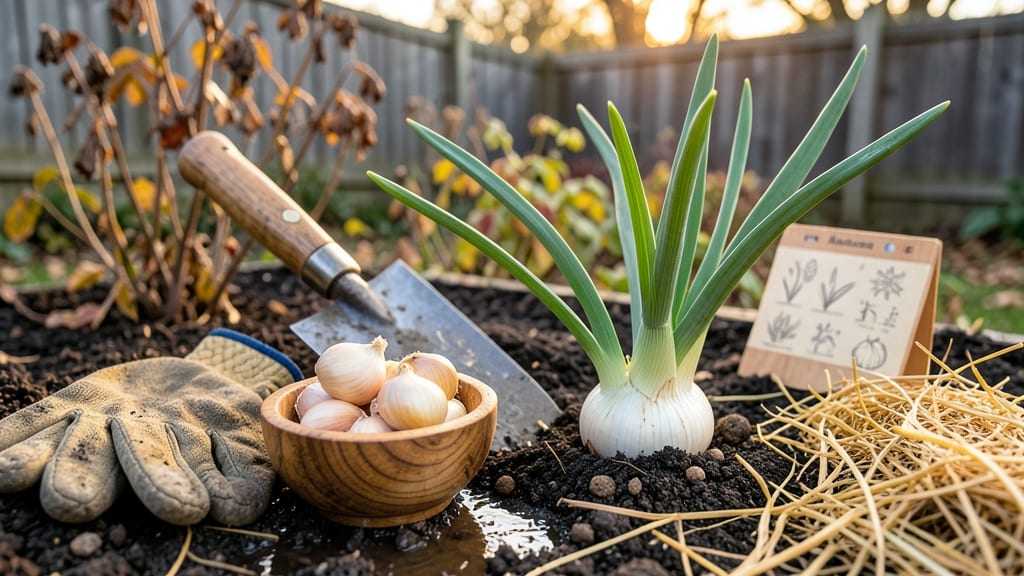
Planting garlic in Portland, Oregon, isn't just about timing—it's about unlocking the secret to bold, flavorful bulbs that thrive in your unique climate. With the right fall window, you can grow hardneck varieties like German White that store well and pack a punch in your kitchen.
Here's the catch: Portland's USDA Zone 8a means you've got a narrow but critical window—between October 15 and November 15—to get those cloves in the ground. Plant too early, and your garlic might bolt; too late, and frost could stunt growth.
I'll show you exactly how to nail this timing and why it matters more than you think.
Beyond dates, Portland's rainy winters and cool springs demand special prep. We'll cover soil tricks, mulching strategies, and how to avoid the #1 mistake gardeners here make that ruins their harvest.
Whether you're a first-timer or a seasoned grower, these insights will help you grow garlic that's stronger, sweeter, and ready to harvest next summer.
Ready to turn your backyard into a garlic powerhouse? Let's dive into the precise steps that'll have you planting with confidence—so you can enjoy homegrown garlic from July through August like a Portland pro.
Best fall planting dates for garlic in Portland Oregon's climate Zone
Portland’s USDA Zone 8b/9a climate gives you a narrow but critical 6-week window for planting garlic—typically between October 15 and November 15. This timing ensures your cloves establish roots before winter dormancy, setting the stage for robust bulbs the following summer.
Missing this window risks weak growth or even bulb failure due to Portland’s unpredictable rain and frost patterns.
For 2024 specifically, I recommend starting no earlier than October 15 to avoid overly wet soil, which can rot cloves. If you’re in a cooler microclimate (like higher elevations), shift your planting to the earlier end of this window.
Conversely, milder urban pockets can tolerate planting until November 15, but don’t push it—soil temps below 50°F slow root growth.
The key is aligning your planting with soil temperatures, not just calendar dates. Use a soil thermometer to confirm temps are between 40°F and 50°F at a 4-inch depth. In Portland, this usually coincides with the mid-October to mid-November window, but early frosts can push it earlier.
Check the National Weather Service’s Portland forecast for first frost dates—aim to plant 4-6 weeks before the average first frost.
Here’s why this timing matters: Garlic needs 8-10 weeks of cool weather to vernalize (a biological process that triggers bulb formation). Planting too late means the cloves won’t get enough cold exposure, resulting in small, weak bulbs or even no bulb formation at all.
Conversely, planting too early in September risks premature sprouting or fungal diseases from Portland’s damp conditions.
Pro tip: If you’re unsure about your microclimate, test your soil with a thermometer for 3 consecutive days. The average temp should guide your planting. For example, if your soil stays above 50°F past November 15, hold off until temps drop naturally.
This adjustment is especially critical in 2024, as El Niño patterns may bring warmer-than-average falls.
If you’re planting in 2024, I also recommend accounting for El Niño patterns, which may delay frost dates. In years like this, soil temperature becomes more critical than the calendar. For example, in 2015–2016 (the last strong El Niño), Portland’s first frost came 2 weeks later than average.
Adjust by planting 2 weeks earlier (early October) if your soil is slow to cool.
For hardneck varieties (the best choice for Portland), focus on German White or Chesnok Red, which thrive in cooler, wetter conditions. These varieties need the full 8–10 weeks of cold to form bulbs, so don’t rush planting.
If you’re growing softneck garlic in a sheltered microclimate, you might push planting to early December, but expect smaller bulbs due to reduced vernalization.
One final tip: Mulch immediately after planting with 4–6 inches of straw to insulate cloves from freeze-thaw cycles, which can damage emerging roots. In Portland’s wet winters, mulch also prevents soil compaction from heavy rains. Replenish mulch in late winter (February) to protect cloves as they sprout.
Timing your garlic planting correctly in Portland isn’t just about the calendar—it’s about reading your microclimate. Use soil temps, frost forecasts, and mulch to fine-tune your schedule. When done right, you’ll harvest plump, flavorful bulbs by <
Best fall planting dates for garlic in Portland Oregon's climate Zone
Portland’s USDA Zone 8b/9a climate gives you a narrow but critical window to plant garlic for a successful harvest. The ideal time is between mid-October and mid-November, when soil temperatures drop below 70°F but before the ground freezes. This timing ensures strong root development before winter dormancy.
For 2024, aim to plant by November 15—any later risks weak bulb formation due to insufficient cold exposure. Early planting (before October 15) can lead to excessive top growth before winter, which weakens the bulb. Balance is key!
🌱 Portland Garlic Planting Timeline
| Stage | Action | Notes |
|---|---|---|
| Early Fall (Sept) | Prepare soil | Add compost, test pH (6.0-7.0) |
| Oct 15-Nov 15 | Plant cloves | 4-6 inches deep, 4-6 weeks before frost |
| Winter (Dec-Feb) | Mulch heavily | 6+ inches of straw to insulate roots |
| Spring (March-May) | Remove mulch | When soil thaws, expose shoots |
| July-August | Harvest | When lower leaves brown |
Portland’s rainy winters mean your garlic will get plenty of moisture naturally, but soil drainage becomes critical. Heavy clay soils common in the region can cause rot—amend with compost or sand if needed.
Test your soil’s drainage by digging a hole and filling it with water; if it doesn’t drain in 4 hours, improve it before planting.
Adjust your planting date if unseasonably warm or cold weather arrives. Use a soil thermometer to monitor temperatures—ideal planting soil should be between 50-60°F. In Zone 9a areas (like Southeast Portland), you may extend planting until early December.
Pro tip: Plant hardneck varieties (like 'German White') for Portland’s climate—they thrive in cold winters and produce scape blooms in spring. Softneck varieties (like 'Silverskin') can struggle with the region’s dampness unless planted in well-drained raised beds.
Remember, garlic needs 120-180 days of cold exposure to form bulbs properly. Portland’s winters provide this naturally, but planting too late (after November 15) risks incomplete bulb development. Mark your calendar now!