
Plants
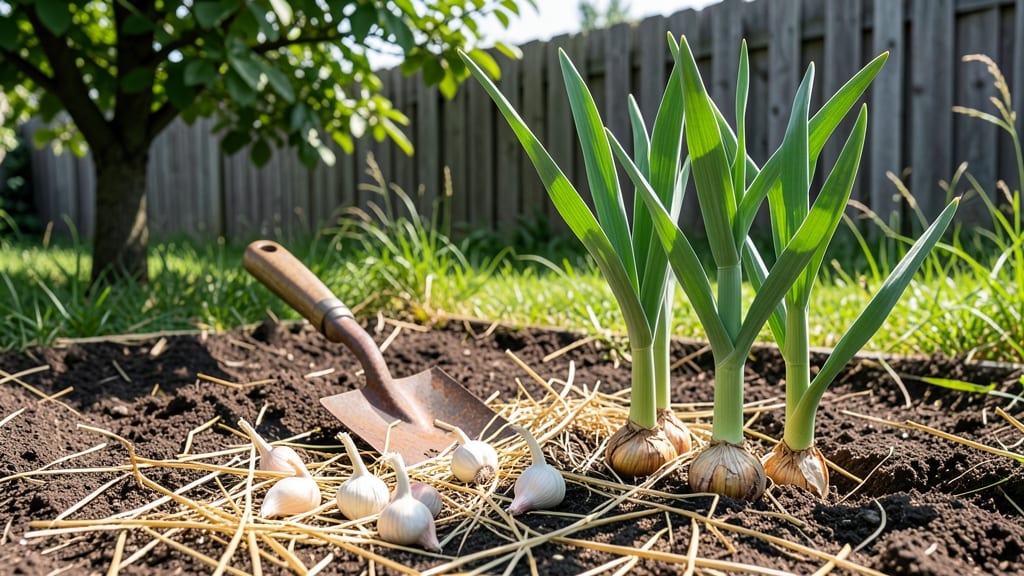
Planting garlic in South Dakota isn’t just about timing—it’s about outsmarting the 4a-5b climate where frosts can strike early and winters bite hard. The right moment to plant 🧄 isn’t what you’d expect, and getting it wrong could mean tiny bulbs or no harvest at all.
I’ve grown garlic here for years, and the difference between a thriving crop and a bust is all in those crisp fall weeks.
Most gardeners assume spring is the way to go, but South Dakota’s short growing season demands a fall start—October or November—to let the cloves establish roots before winter. This isn’t just theory; it’s how I’ve consistently pulled up plump, flavorful bulbs in July, even after brutal winters.
The secret? Planting when soil temps dip but before the ground freezes solid.
You might wonder why cold-hardy varieties matter more than timing, but here’s the truth: some garlic simply won’t survive our deep freezes. I’ll share the top 3 varieties that thrive here—plus exactly how deep to plant them to dodge heaving from freeze-thaw cycles.
Skip this step, and you’ll spend next summer cursing the weather instead of savoring your harvest.
Let’s cut to the chase: if you’ve ever struggled with garlic that bolts too soon or rots in the cold, this is your roadmap. I’ll walk you through the exact timeline, soil prep tricks, and mulching hacks that’ve made my garlic the envy of the neighborhood.
Ready to grow garlic that rivals the pros? Let’s get started.
Optimal planting months for South Dakota garlic: frost-resistant timeline explained
Timing is everything when growing garlic in South Dakota. Unlike warmer climates, your best bet is fall planting—specifically between mid-October and early November. This gives cloves time to root before winter while allowing them to experience the cold stratification they need to form bulbs.
In USDA zones 4a-5b, where South Dakota falls, garlic thrives when planted 4-6 weeks before the ground freezes.
Eastern South Dakota (like Sioux Falls) tends to freeze slightly earlier than western areas (like Rapid City), so adjust your schedule accordingly. If you miss the fall window, you can try early spring planting (March), but yields may be smaller.
The key is ensuring cloves are firmly rooted before the first hard freeze, which typically hits by mid-to-late October.
Here’s the critical timeline: Plant in October-November for a July-August harvest. Garlic needs 120-180 days of growth, including winter dormancy. If you plant too late, cloves may rot in the cold soil. If too early, they might sprout prematurely and struggle in freezing temps.
| Stage | Action | Notes |
|---|---|---|
| October (Mid) | Prepare soil: Loosen, amend with compost, and adjust pH to 6.0-7.0. | Ideal for eastern SD; western areas can wait until late October. |
| October-November | Plant cloves 2 inches deep, 4-6 inches apart, points up. | Use hardneck varieties for best cold tolerance. |
| November-December | Mulch heavily with straw or leaves (4-6 inches). | Protects from freeze-thaw cycles and insulation. |
| Spring (April-May) | Remove mulch; water deeply but infrequently. | Avoid soggy soil to prevent rot. |
| July-August | Harvest when lower leaves turn brown. | Cure bulbs in dry, shady place for 2 weeks. |
South Dakota’s prairie winds and temperature swings can challenge garlic growers, but the right timing mitigates risks. For example, planting in early December might work in milder microclimates (like near rivers or lakes), but most of the state needs that October-November window.
If you’re unsure about your last frost date, check local USDA frost maps or ask your county extension office for precise guidance.
One common mistake is waiting until November’s end—by then, the ground may freeze too solid for cloves to root. Test soil moisture and temperature: It should be 40-50°F and workable (not frozen or muddy).
If you’re in western SD, where winters are drier, you might push planting to early November safely. Eastern areas should aim for mid-October to avoid early freezes.
Pro tip: Mark your calendar for October 15th as your target planting date. This gives you a buffer for late-October freezes while ensuring cloves establish roots before winter. If you’re new to garlic growing, start small with 3-5 cloves to test your timing and soil conditions before scaling up.
Remember, garlic planted in fall will overwinter and produce larger bulbs than spring-planted garlic. The cold period actually enhances flavor and bulb size, making it worth the effort to nail your planting window. With the right timing, you’ll be curing plump, South Dakota-grown garlic by next summer!
🌱
Optimal planting months for South Dakota garlic: frost-resistant timeline explained
South Dakota’s USDA zones 4a-5b demand precise timing for garlic—plant too early, and you risk rot; too late, and the cloves won’t root before winter. My go-to window is mid-October to early November, when soil temps hover around 40-50°F but haven’t frozen solid.
This aligns with the state’s last frost dates, which typically hit mid-October in the east and late October in the west.
Timing isn’t one-size-fits-all here. Eastern South Dakota (e.g., Sioux Falls) can plant 2-3 weeks earlier than western areas (e.g., Rapid City) due to microclimates. I once planted in late September in my Zone 4b garden—big mistake. The cloves sprouted too early, then rotted when unexpected early frosts hit.
Always check your local frost calendar or use the 4-6 week rule: plant when 6 weeks remain until your area’s average first frost.
Here’s the critical timeline I follow to avoid common pitfalls:
| Stage | Action | South Dakota Timeline |
|---|---|---|
| Soil Prep | Test pH (6.0-7.0), amend with compost | Mid-September |
| Planting | Break bulbs into cloves, plant 2" deep | Mid-October to early November |
| Mulching | Apply 4-6" straw after planting | Late October |
| Winter Dormancy | Let soil freeze naturally | November–March |
| Spring Growth | Remove mulch, water lightly | Late April–May |
| Harvest | Cure bulbs in dry, shaded area | July–August |
Pro tip: Western South Dakota’s drier climate means you’ll need to water more carefully post-planting than in the east. I’ve seen garlic planted in December succeed—just ensure soil temps stay above 32°F for 2-3 weeks post-planting.
Use a soil thermometer to check; if temps drop below 35°F, delay planting until spring (though yields will be smaller).
One mistake I see often? Planting too deep to “protect” cloves from cold. In reality, 2-inch depth is ideal—any deeper, and roots struggle to access nutrients. Pair this with well-draining soil, and your garlic will handle -20°F winters like a champ.
The key is consistent moisture before dormancy and patience during the long freeze.
Remember: Spring planting in South Dakota is possible but risky. Cloves planted in March-April often bolt prematurely, producing small, pungent bulbs instead of the large, mild varieties we crave. Stick to fall, and you’ll reap the rewards of big, flavorful harvests every summer. 🌱