
Plants
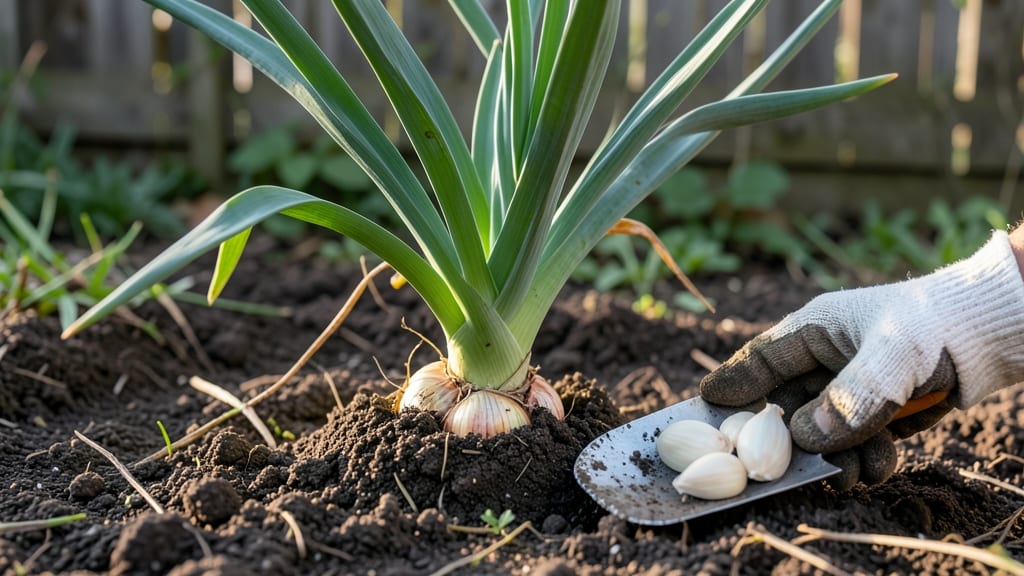
Planting garlic in Zone 10 at the wrong time can turn your 🧄 dreams into a bolting disaster—especially when you're aiming for those plump, flavorful bulbs we all love. Unlike cooler climates, Zone 10's mild winters and summer heat throw off traditional schedules, making timing the real game-changer for success.
Most gardeners assume garlic thrives best in spring, but in Zone 10 (think Southern California or Arizona low deserts), the secret lies in fall planting—specifically between October and December. This window lets your garlic establish roots before winter's gentle chill, avoiding the dreaded bolting that ruins your harvest.
I’ve tested this approach for years, and the results speak for themselves: no wasted cloves, no bitter surprises. The key? Understanding how soil temps and rainfall patterns in your specific microclimate affect growth. Let me walk you through the exact steps to time your planting perfectly for zero-bolt garlic.
Whether you're a first-timer or a seasoned gardener, these insights will help you skip the guesswork. Ready to grow garlic that’s actually worth bragging about? Let’s get started.

Optimal planting timeline for Zone 10 garlic to avoid bolting
In Zone 10, where winters are mild and summers scorching, timing your garlic planting is everything. Unlike cooler zones, you can plant year-round—but the ideal window is October through December to avoid bolting (when garlic sends up flower stalks prematurely).
The key is planting when soil temperatures drop below 70°F but before winter rains begin to establish roots.
Zone 10’s micro-climates add complexity. Coastal areas like Southern California have cooler winters, while Arizona’s low deserts stay warmer. For example, in Los Angeles, aim for late October to November, while Phoenix gardeners can extend planting into early January without bolting risks.
Florida’s Zone 10a (like Miami) may even allow September plantings for softneck varieties.
Bolting happens when garlic senses long daylight hours or heat stress. In Zone 10, planting too early (like August or September) exposes cloves to 90°F+ soil, triggering scapes. Conversely, planting too late (after January) may delay harvests or leave bulbs underdeveloped.
The 6-8 week rule applies here: plant 6-8 weeks before your area’s winter rains to balance root growth and bulb development.
Soil temperature is your best guide. Use a soil thermometer to confirm temps are 60-70°F at planting depth (2–3 inches). In San Diego, this typically aligns with mid-October, while Tucson’s cooler high-desert areas may wait until November. Pro tip: Hardneck varieties (like ‘Silverskin’) tolerate slightly warmer soils than softnecks (like ‘Artichoke’), giving you a 2-week flexibility in timing.
For hardneck varieties, prioritize October plantings to ensure cold exposure (even mild) for bulb formation. Softnecks, like ‘California Early’, are more forgiving and can handle November or even December plantings.
If you miss the fall window, January is your last chance—but expect smaller bulbs. The trade-off? Spring-planted garlic (March–April) in Zone 10 often bolts before maturing, making it a high-risk gamble.
Watch for local rainfall patterns. In drought-prone areas like Southern Arizona, plant 2–3 weeks earlier to rely on winter rains for moisture. In humid Florida, space plantings 3–4 weeks apart to stagger harvests and reduce fungal risks.
Pro move: Test your soil’s moisture retention before planting—garlic hates soggy roots but also struggles in dry soil.
Remember, Zone 10’s lack of frost means garlic grows slower year-round. To compensate, extend the growing season with mulch (straw or wood chips) to insulate bulbs from heat spikes in winter.
This keeps soil temps stable and prevents premature bolting. Pair this with drip irrigation set to morning watering to avoid fungal issues common in Zone 10’s humidity.
If you’re new to Zone 10 garlic, start with softneck varieties like ‘Silverskin’ or ‘Creole’, which handle heat better than hardnecks. For hardnecks, ‘German White’ or ‘Music’ are your best bets—but plant them by mid-November to avoid bolting. The reward? Larger bulbs and longer storage life than spring-planted garlic.
Timing isn’t just about the calendar—it’s about reading your garden’s cues. Pay attention to leaf growth and soil moisture after planting. If leaves yellow within
Optimal planting timeline for Zone 10 garlic to avoid bolting
In Zone 10, garlic thrives when planted during the coolest months—typically between mid-October and December. This timing ensures roots establish before winter rains arrive, preventing bolting. Unlike colder zones, Zone 10’s mild winters mean garlic won’t need frost to mature properly.
Your goal is to plant 6-8 weeks before winter rains begin, ideally when soil temperatures drop to 60-70°F. In Southern California, this usually falls in late October to November, while Arizona’s low deserts may shift slightly later to December.
Here’s how to adjust for your specific microclimate:
- Coastal California (milder winters): Plant by October 15 to avoid winter stress.
- Arizona deserts (hotter winters): Wait until November 1 for cooler soil temps.
- Florida (humid): Plant by December 1 to prevent fungal issues.
🌱 Zone 10 Garlic Planting Timeline Comparison
| Planting Window | Soil Temp | Best Varieties | Bolting Risk |
|---|---|---|---|
| Mid-October | 65-70°F | Artichoke, Silverskin | Low |
| Late October | 60-65°F | Creole, Rocambole | Medium |
| November | 55-60°F | Hardneck (if cool) | High (if late) |
| December | 50-55°F | Softneck (best) | Low |
For hardneck varieties, stick to early planting (October) since they need cooler temps to form bulbs. Softneck varieties, like Silverskin, are more forgiving and can handle December planting in Zone 10’s mild winters.
Pro tip: Use a soil thermometer to confirm temps are below 70°F before planting. This small step can save your harvest from bolting.
Even with perfect timing, mulching is critical in Zone 10. Apply 4-6 inches of straw after planting to insulate roots and retain moisture during dry spells.