
Plants
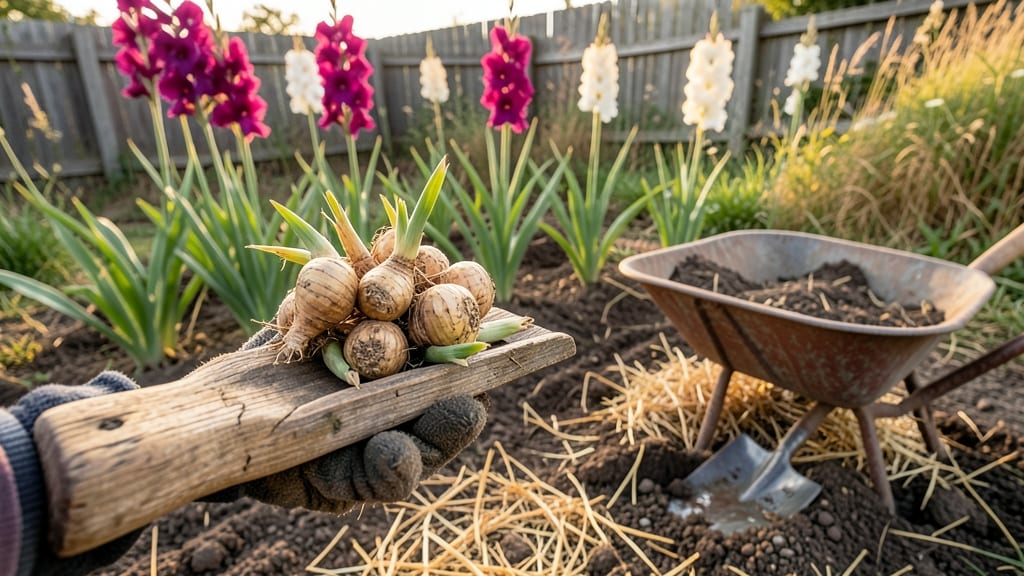
When to plant gladiolus bulbs in Colorado means the difference between showstopping summer blooms and wasted effort. Plant them too early, and a late frost will turn your 🌸 gladiolus corms to mush; too late, and you’ll miss the prime window for those dramatic, sword-like spikes to thrive. The key is knowing exactly when soil warms up in your specific zone—whether you're in Denver’s Zone 5 or the higher elevations of Zone 4.
Most Colorado gardeners should aim to plant gladiolus corms between mid-April and early June, but the exact date depends on your last frost date and soil temperature. In lower elevations, you might start as early as late April, while high-altitude areas should wait until early May.
The goal? Get those corms in the ground when the soil hits a steady 60°F—that’s when roots wake up and start growing.
Here’s the game-changer: 4-6 weeks after your last frost is the sweet spot. That gives your gladiolus time to establish roots before summer heat sets in, ensuring those bold, vibrant blooms arrive right when you want them.
Whether you’re a first-time gardener or a seasoned pro, this timeline will help you avoid common pitfalls and get the most out of your summer garden.
Ready to transform your yard into a gladiolus paradise? I’ll walk you through the exact steps—from soil prep to post-planting care—to make sure your corms thrive in Colorado’s unique climate. Let’s get those 🌸 gladiolus growing!
Optimal planting dates for gladiolus in Colorado’s Zones 4-5
Colorado’s variable climate and high-altitude microclimates make timing critical for gladiolus success. Unlike true bulbs, gladiolus grow from corms that need warm soil (60°F+) to sprout. Plant too early, and late frosts will damage tender shoots; too late, and your summer blooms may arrive after Labor Day.
Here’s the precise window for Zones 4-5, including adjustments for high-altitude gardens above 7,000 feet.
Most Colorado gardeners in Zones 4-5 should aim to plant gladiolus corms between mid-April and early June. This window accounts for last frost dates, which typically range from May 1-15 in lower elevations (e.g., Denver, Colorado Springs) to June 1-10 in mountainous regions (e.g., Summit County, Eagle Valley).
The key is waiting until the soil has warmed to 60°F at 4 inches deep—a critical threshold for corm growth.
| Elevation Range | Optimal Planting Window | Soil Temp Requirement | Expected Bloom Time |
|---|---|---|---|
| 3,000–5,000 ft (Denver, Fort Collins) | Mid-April to May 15 | 60°F+ at 4" depth | July 15–August 15 |
| 5,000–7,000 ft (Colorado Springs, Manitou) | Late April to May 30 | 60°F+ at 4" depth | July 20–September 1 |
| 7,000–9,000 ft (Eagle, Summit County) | Late May to June 10 | 60°F+ at 4" depth | August 1–September 10 |
For gardeners in Zone 4 (e.g., northern Colorado, Wyoming border), err on the later side—late May to early June—to avoid late spring frosts. Use a soil thermometer to confirm warmth; gladiolus corms won’t sprout until soil hits 60°F consistently.
In Zone 5 (e.g., Boulder, Golden), you can plant as early as mid-April, but monitor forecasts for unpredictable cold snaps, especially in sheltered valleys.
High-altitude gardeners above 7,000 feet should extend their planting window to late May through June 10. These areas often experience shorter growing seasons and cooler soils. To compensate, choose early-blooming varieties like ‘Attraction’ or ‘Green Star’ and plant in south-facing, sheltered spots where soil warms faster.
Avoid low-lying areas prone to cold air pooling, which can delay growth.
If you’re unsure about your last frost date, use the Colorado State University Extension’s frost calculator (available online) or check local CoCoRaHS weather stations for historical data. For extra protection, plant corms 1 inch deeper in high-altitude areas and cover with straw mulch until shoots emerge.
This buffer helps insulate against late frosts while allowing soil to warm gradually.
Pro tip: Pre-chill corms for 4–6 weeks at 40–50°F before planting to mimic Colorado’s slow spring warming. Store them in a paper bag in your fridge’s crisper drawer (not the freezer!).
This step ensures synchronized sprouting and stronger stems. Skip this for late May/June plantings, as soil warmth will naturally trigger growth.
Once planted, gladiolus need 6–8 hours of full sun daily to produce their iconic spike-shaped blooms. In Colorado’s dry climate, water deeply once a week (1–1.5 inches) to encourage deep root growth.
Avoid overhead watering to prevent fungal diseases like gladiolus rust, which thrives in our humid mountain mornings. Mulch with straw or shredded leaves to retain moisture and regulate soil temperature.
Timing isn’t just about frost—it’s also about bloom timing. For Labor Day cut flowers, aim to plant by June 1 in most of Colorado. Later plantings (July) will produce smaller blooms and weaker stems, but they’ll still add late-season color.
Save these for fall arrangements or enjoy as garden accents until the first frost.
Remember: gladiolus corms are perennial in Colorado, but they don’t survive winter outdoors in Zones 4–5. After blooming, cut back foliage when it yellows, then dig up corms in late October.
Store them in a cool, dry place (50–60°F, 40% humidity) until replanting next spring. This simple step ensures you’ll have bold blooms year after year without replanting.
With these elevation-specific dates and soil warmth guidelines, your gladiolus will thrive in Colorado’s challenging climate. Whether you’re a front-range gardener or a mountain valley grower, precise timing is the secret to those show-stopping summer spikes. 🌸
Optimal planting dates for gladiolus in Colorado’s Zones 4-5
Colorado’s USDA Zones 4-5 mean your gladiolus corms need precise timing to avoid frost damage or missed blooms. The ideal window is mid-April to early June, but high-altitude areas (like Zone 4 in the mountains) should wait until early May when soil warms to 60°F.
Lower elevations (e.g., Denver’s Zone 5) can start as early as late April.
Use your last frost date as a guide—plant 4-6 weeks after frost to ensure roots establish before summer heat. For example, if your last frost is May 15, aim for early June planting.
This timing aligns with Colorado’s 120-150 frost-free days, giving gladiolus enough time to mature before the first frost in October.
🌱
| Zone | Last Frost Date | Optimal Planting Window | Soil Temp Requirement | Bloom Time |
|---|---|---|---|---|
| Zone 4 (High Altitude) | May 15–20 | Early May–early June | 60°F+ | July–August |
| Zone 5 (Denver, Front Range) | April 20–May 5 | Late April–mid-May | 60°F+ | June–September |
| All Zones | N/A | 4–6 weeks after frost | 60°F+ | July–September |
Adjust for microclimates—sheltered valleys may warm faster than exposed slopes. Check local CoCoRaHS data or your Colorado State University Extension office for hyper-local frost dates. For container gardening, plant 2 weeks earlier since pots warm faster.
Pro tip: Test soil temperature with a soil thermometer—gladiolus corms need consistent warmth to sprout. If soil is below 55°F, delay planting until conditions stabilize. This is especially critical in Zone 4, where late frosts are common.
🌿